The history of the cushion can be traced back to the hidden bag in the ancient furniture culture, and its origin is closely related to the exchange of foreign cultures.
1. Origin and evolution
The crypt sac first appeared in the Northern Wei Dynasty (about the 5th century AD). It was cylindrical in shape and filled with silk fabric and fiber. It was mostly used for leaning. The Yan Family Instructions records that the children of Liang Dai nobles commonly used "spotted silk hidden sac", and its production process was more mature in the Northern Dynasty.
2. Cultural Dissemination
The hidden sac was introduced to China through the Silk Road and is related to the cushion image in the Buddha statue art of the Indian Gupta dynasty (320-540 AD). The statues and tombs of the Eastern Wei and Northern Zhou dynasties have been unearthed with similar shapes, indicating that they have been popular in the Central Plains.
3. Functional evolution
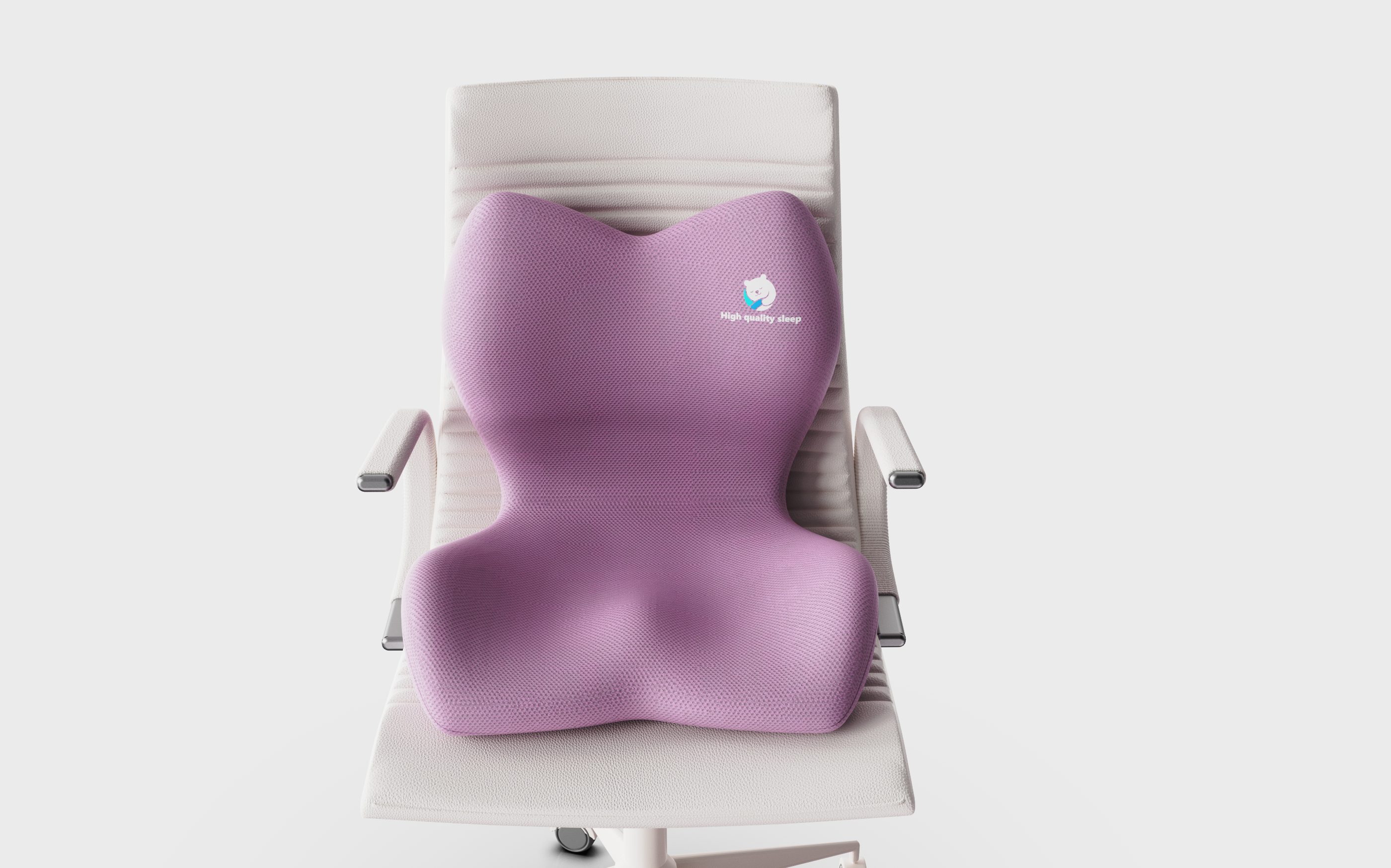
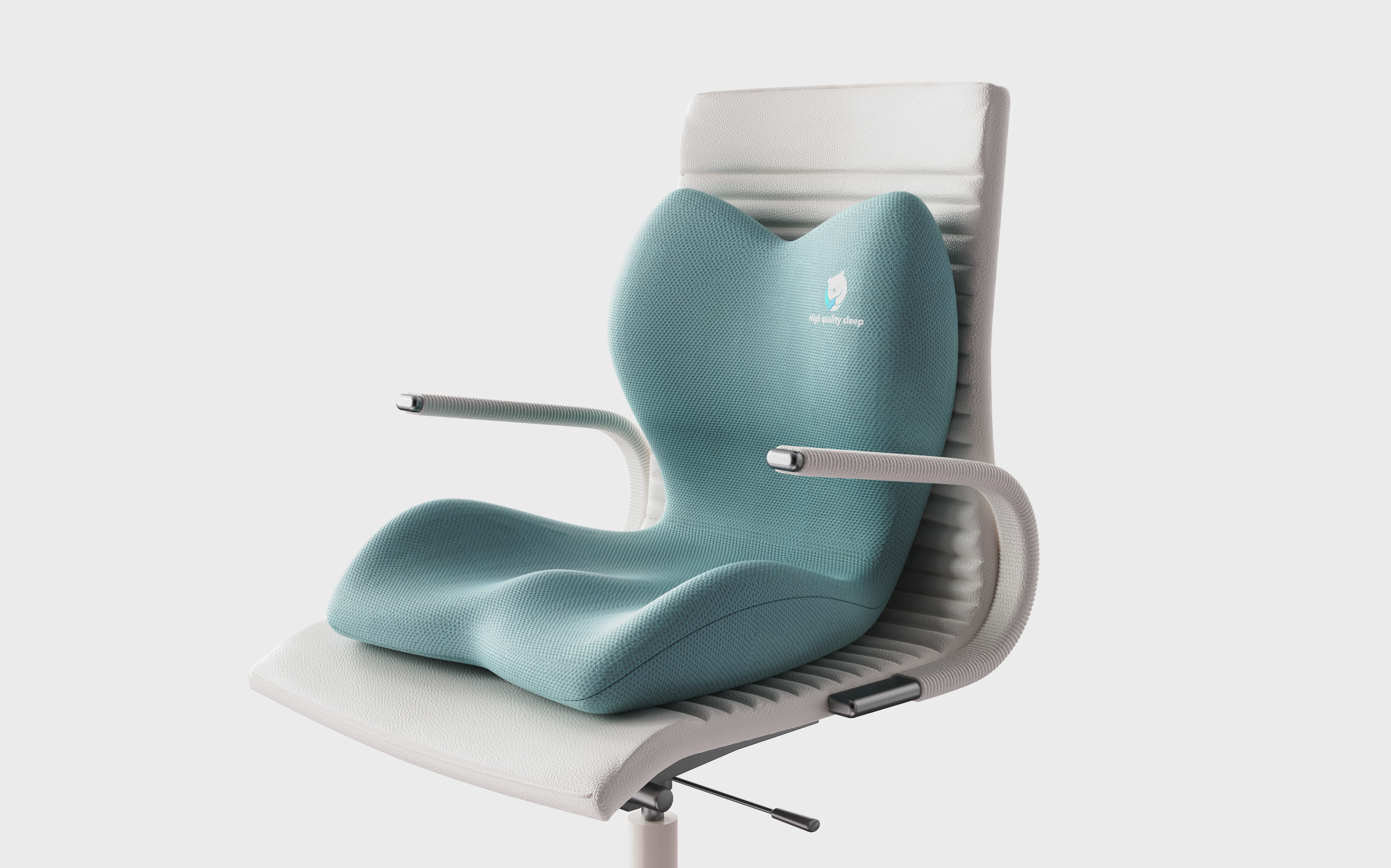
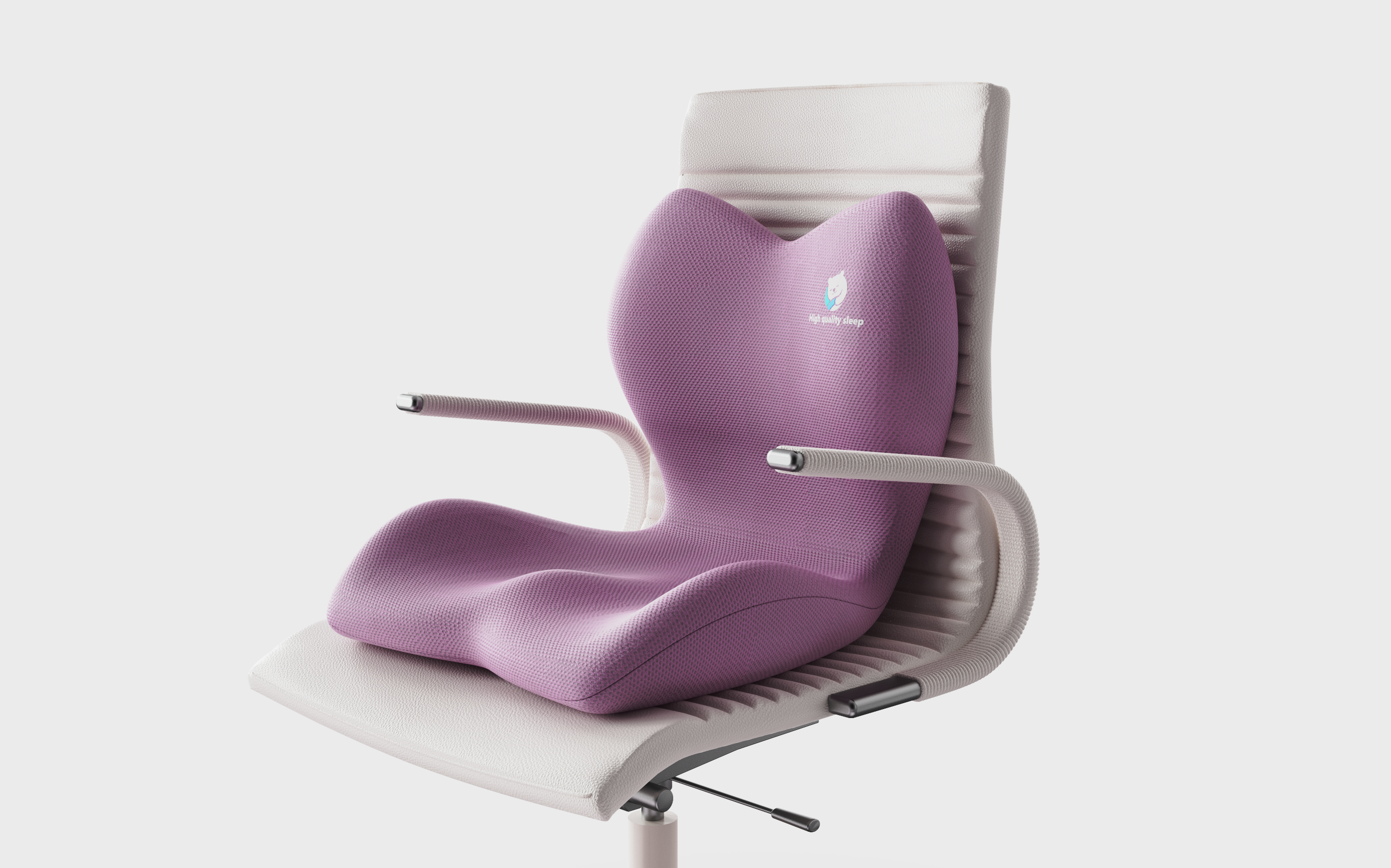
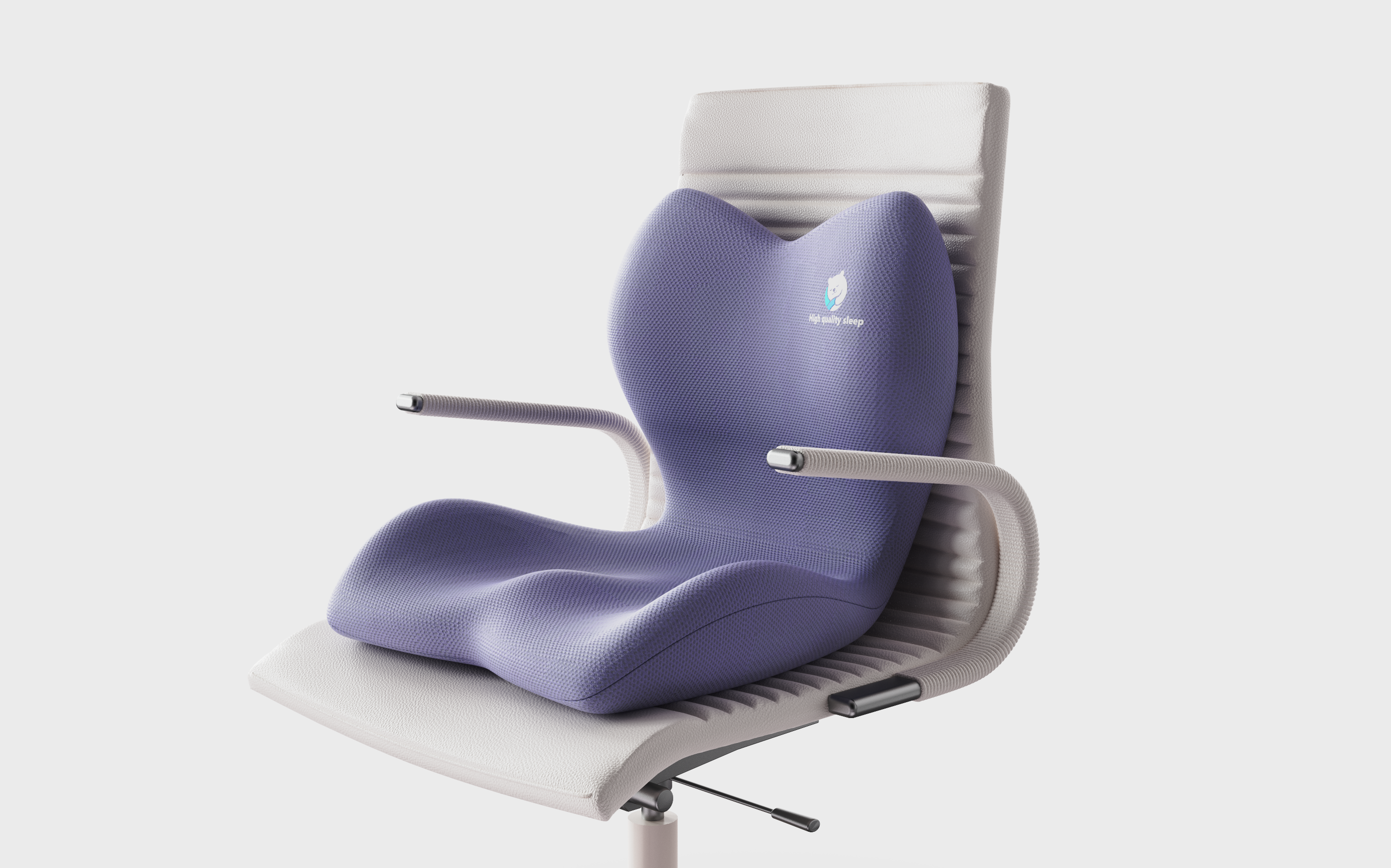
The early hidden sac was cylindrical and was used in conjunction with the kneeling posture. After the emergence of adjustable backrest chairs in the Tang Dynasty, the hidden sac gradually evolved into cushions. During the Ming and Qing Dynasties, variant furniture with backrests (such as drunkard chairs and flying chairs) were derived.


The copyright of this work belongs to 文之品. No use is allowed without explicit permission from owner.

New user?Create an account
Log In Reset your password.
Account existed?Log In
Read and agree to the User Agreement Terms of Use.
Please enter your email to reset your password


good, good
Suitable for sedentary people.
it is comfortable to watch