Sogo Design... Ten years of focus on medical health the only track.
Cooperative customers: well-known confidential customers
Project Name: High-frequency surgical equipment host
Cooperation content: design analysis | appearance design | structural design | prototype production | accompanying running assistance
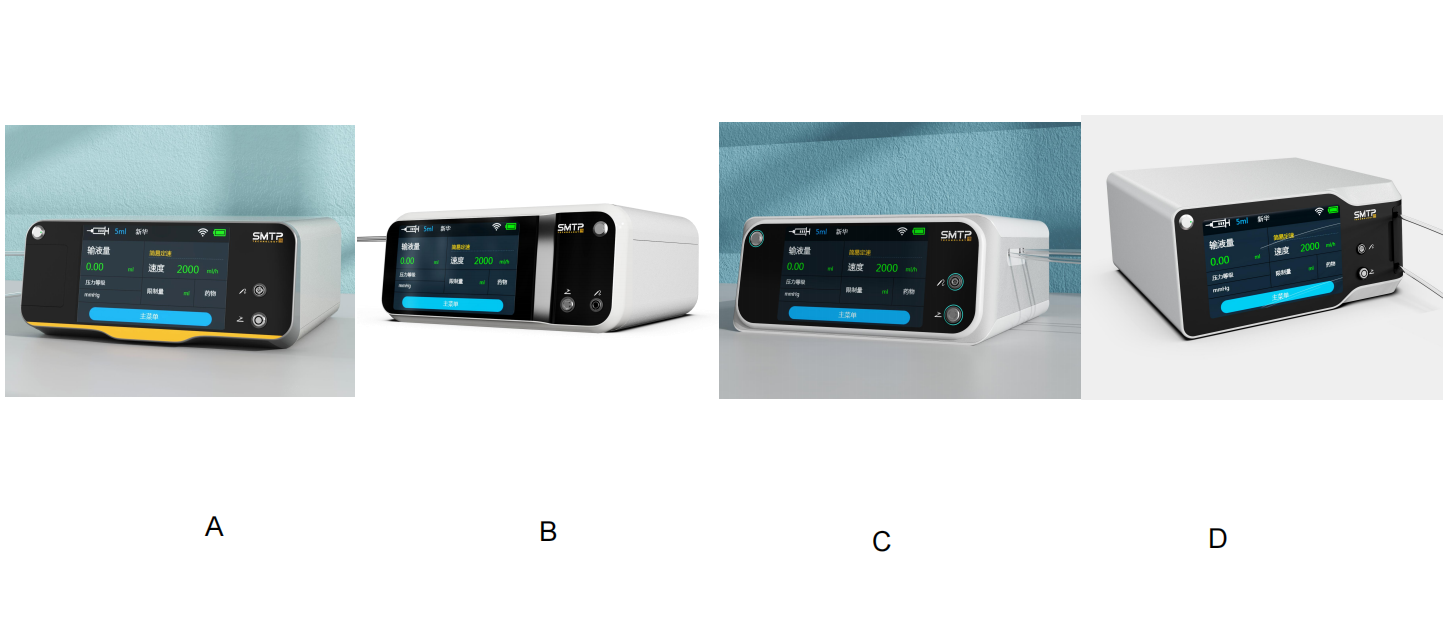
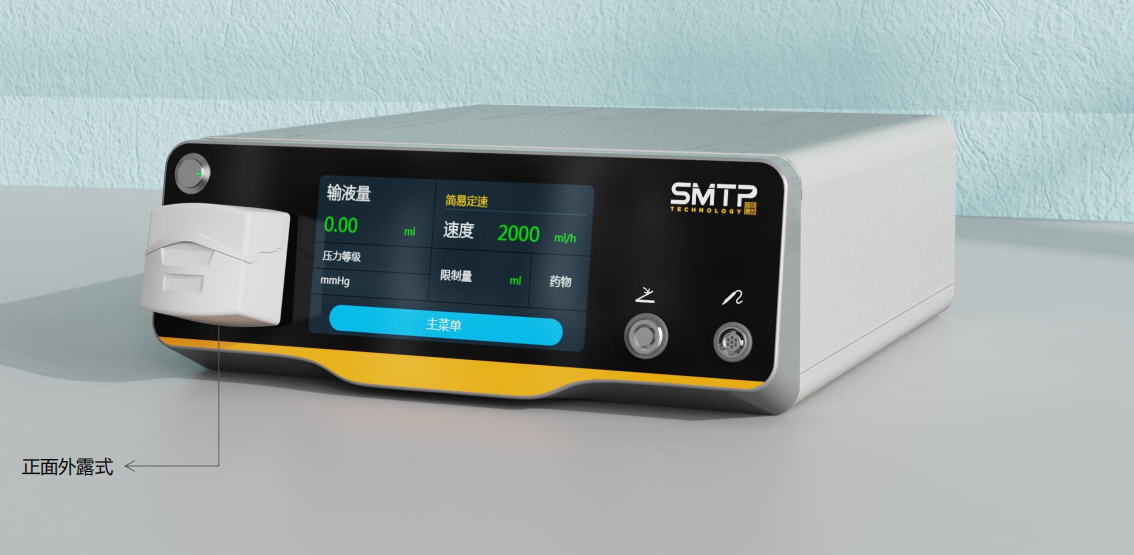
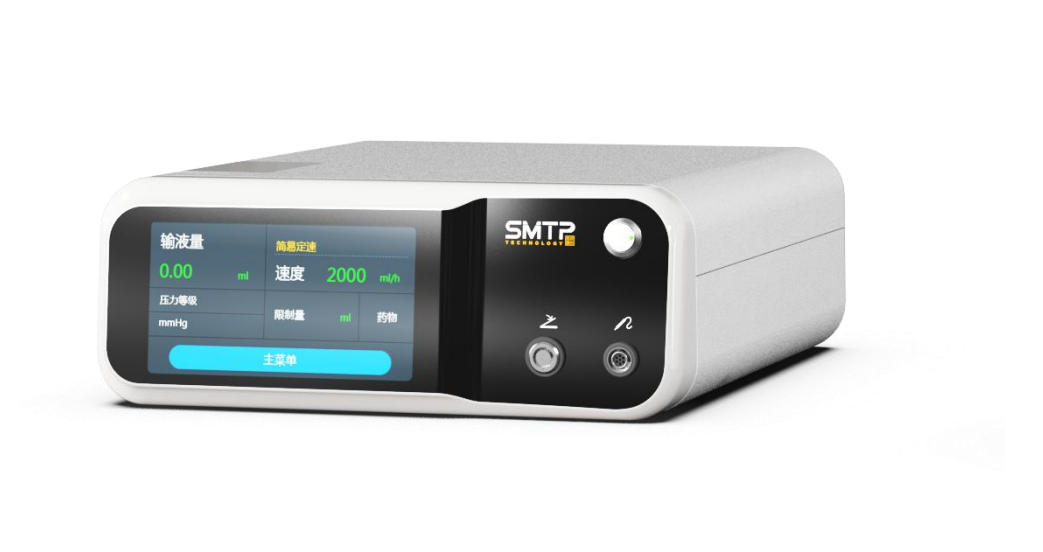
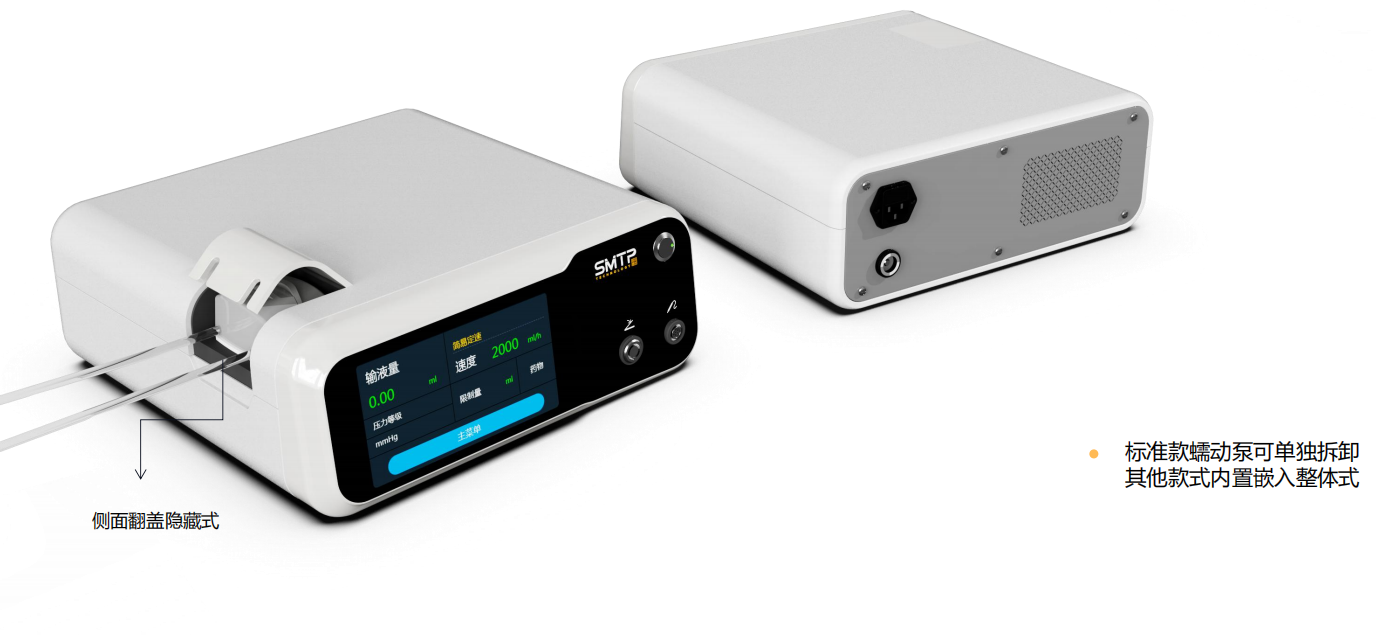
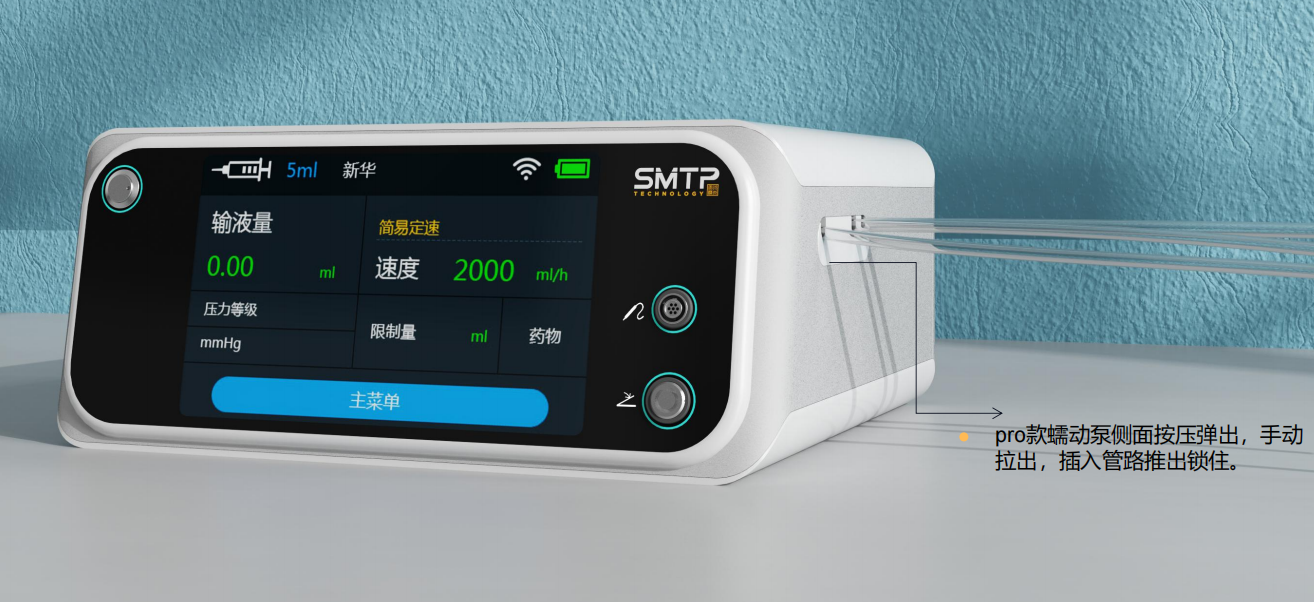
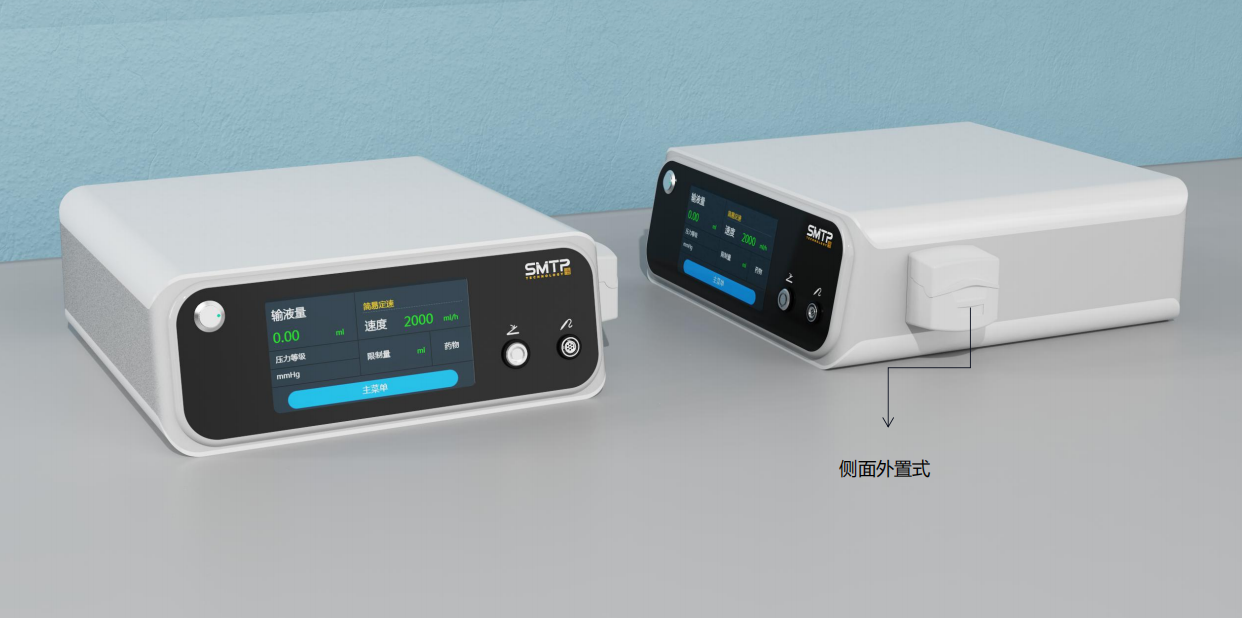
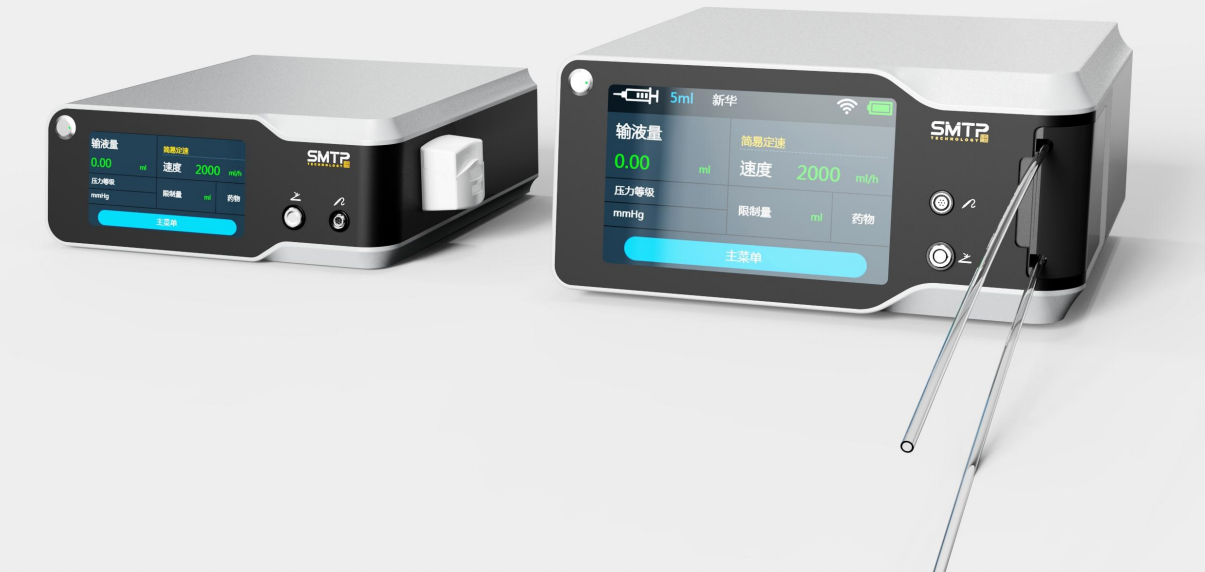
This is the four high-frequency surgical equipment mainframe schemes (A-D) designed and introduced by sumot Sogo. As the core energy output equipment of surgery, its design revolves around "the accuracy of surgical field operation and scene adaptability". It integrates professional adaptation to surgical scenes in form, interaction and details. It is a design sample of the integration of "functional rationality" and "experience sensibility" of medical equipment.
1. Design Analysis: Functional Modularity for Surgical Scenarios
The core scenario of the high-frequency surgical host is the precise control of energy in the operating room, and the underlying logic of the four options is centered on "surgical process priority:
The functional modules are highly unified: they are divided into three modules: "interactive display area (touch screen status light), control area (key/knob), and interface area (connecting surgical instruments)", which are in line with the surgical process of "medical setting parameters → control energy → output to instruments. This modular design allows doctors to quickly adapt to the operating logic of different programs, reducing learning costs in the surgical field.
Scene adaptation of materials: the combination of "white medical grade plastic functional panels" is adopted, and white conveys the "sterile and clean" operating room attribute, which conforms to the hygiene standard of medical equipment; The dark panel strengthens the identification of the interactive area, and can clearly read the parameters even in the strong light environment of the surgical field, thus improving the operation accuracy.
2. Design Language: Rationality and Identification in the Surgical Field
The design language of the four schemes is based on the keynote of "calm and professional operation scene", and adapts to different needs through details:
Commonality: minimalist aesthetics of surgical field: all adopt the design of "light and thin rounded corners without redundant decoration" to avoid complex shapes interfering with the concentration of surgical field and convey the "rigor" of surgical equipment ". The compact size of the body is suitable for the table space of the operating room, which is convenient for multi-device collaborative placement.
Difference: Scene adaptation details:
Scheme A and Scheme C are mainly "white, black and bright color embellishment". Yellow/blue keys strengthen the identification of the operation area and are suitable for fast operation of emergency surgery;
Scheme B is mainly "white and black", and the simple form is more professional tool sense;
The D scheme is a square shape, which is suitable for large-scale surgical scenarios that require higher equipment stability.
This difference design reflects the precise adaptation of different surgical scenarios.
3. Design Details: A Hidden Support for Surgical Efficiency
The detailed design revolves around "precision and safety of surgical field operation:
Details of the interactive area: the touch screen adopts "high-brightness anti-glare design" to adapt to the strong lighting environment of the operating room to ensure clear parameter reading. The status lights (such as Wi-Fi and electricity) beside the screen are presented with "low-light breathing flashing" to avoid interfering with the concentration of the surgical field and transmit the status of the equipment at the same time.
Details of the control area: the keys/knobs adopt a "convex design", and doctors and nurses can realize "blind operation of the surgical field" through the tactile recognition function (no need to look away from the surgical site); The feedback strength of the key is adjusted, and the "pressing feel" and "function trigger" form a linear correlation to avoid the risk of accidental touch.
Details of the interface area: the instrument interface adopts a "dumb-proof structure", which can only be inserted in one direction to avoid wrong instruments in the surgical field. The sealing design around the interface prevents surgical liquid from splashing into the operating room and improves the durability of the equipment in the operating room.
4. ergonomics: comfortable adaptation of surgical field operation
Ergonomic design is optimized for the surgical scenario of "medical standing operation:
Operation height adaptation: the overall height of the equipment is in line with the perspective of "standing head-up on the operating room table", and doctors and nurses can view screen parameters without bending down, thus reducing waist fatigue during long-term surgery.
Adaptation of operation process: The control area is located on the side of the screen and is adapted to the operation range of "natural arm extension". When adjusting parameters, doctors and nurses do not need to move the body greatly to avoid interfering with the sterile area of the surgical field. The light and thin design of the body facilitates doctors and nurses to move the equipment quickly and adapts to the scene requirements of emergency surgery.
Conclusion: Energy collaboration partners in the surgical field
The host design of these four high-frequency surgical equipment is a symbiotic sample of "energy accuracy" and "surgical field experience" of surgical equipment. It takes functional modularity as the skeleton to adapt to the efficient requirements of the surgical process. Taking rational design language as the texture to convey the professional rigor of medical equipment; Taking detail design as the nerve to support the accuracy and safety of the surgical field; Taking machine engineering as the blood vessel, the operation burden of medical care is reduced.
With the increasing refinement of surgery, this design not only improves the accuracy of high-frequency energy output, but also redefines the value of "surgical host"-it is no longer a cold energy tool, but a "reliable partner" in medical surgery ". This concept of "enabling the efficiency of the surgical field by design and caring for the medical experience in detail" also points out the direction for the design of surgical equipment: only by deeply integrating the "rationality of medical function" with the "sensibility of user experience" can we create medical products that really help surgery.








Building a safe bottom line for surgery
Professional-grade solutions for surgical procedures
Accurate adaptation of different tissue characteristics
nice
Reduced the difficulty of the doctor's operation