Sogo Design... Ten years of focus on medical health the only track.
Cooperative customers: well-known confidential customers
Project Name: Medical Surgery Handle Design
Cooperation content: design analysis | appearance design | structural design | prototype production | accompanying running assistance
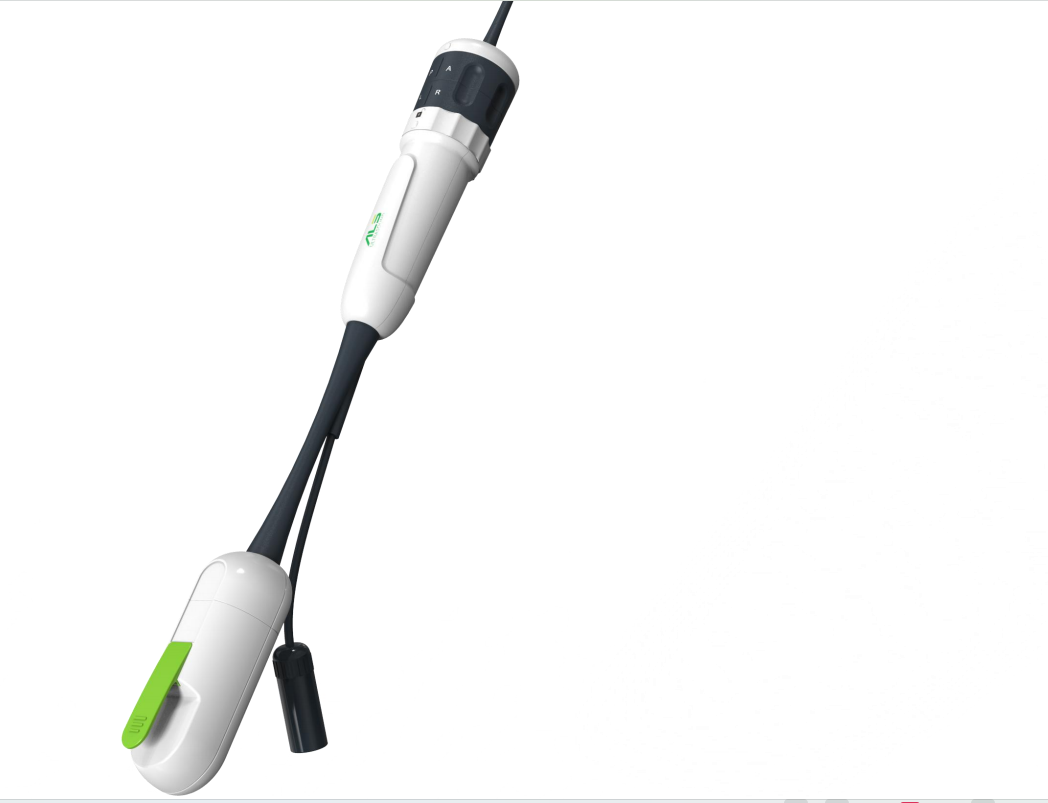
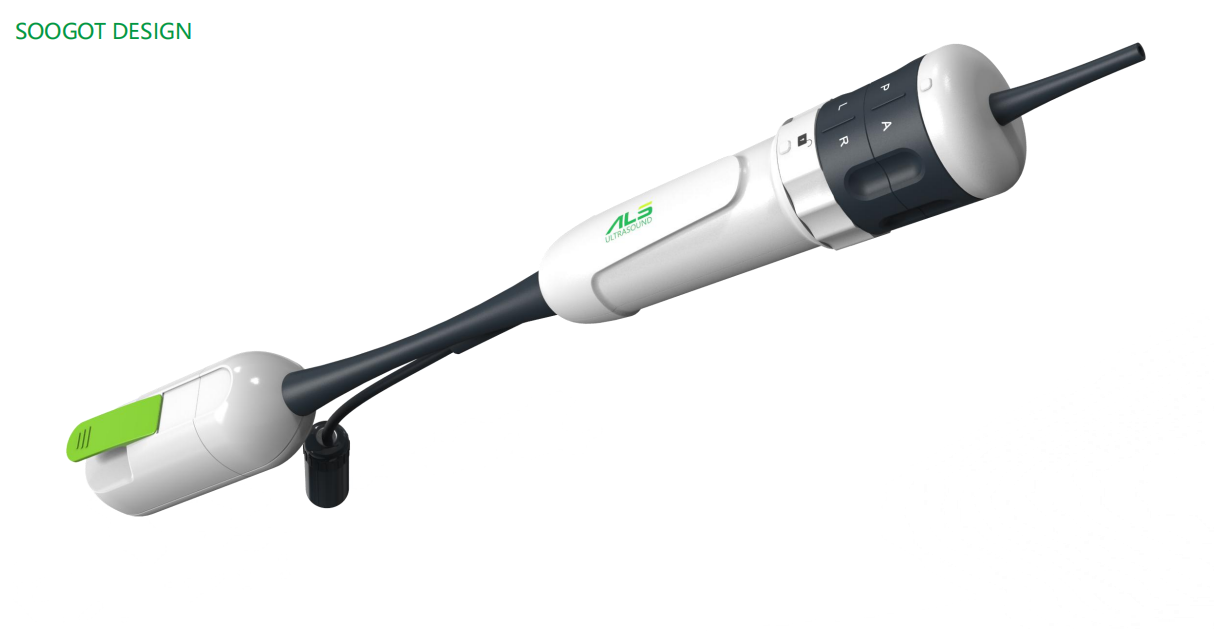
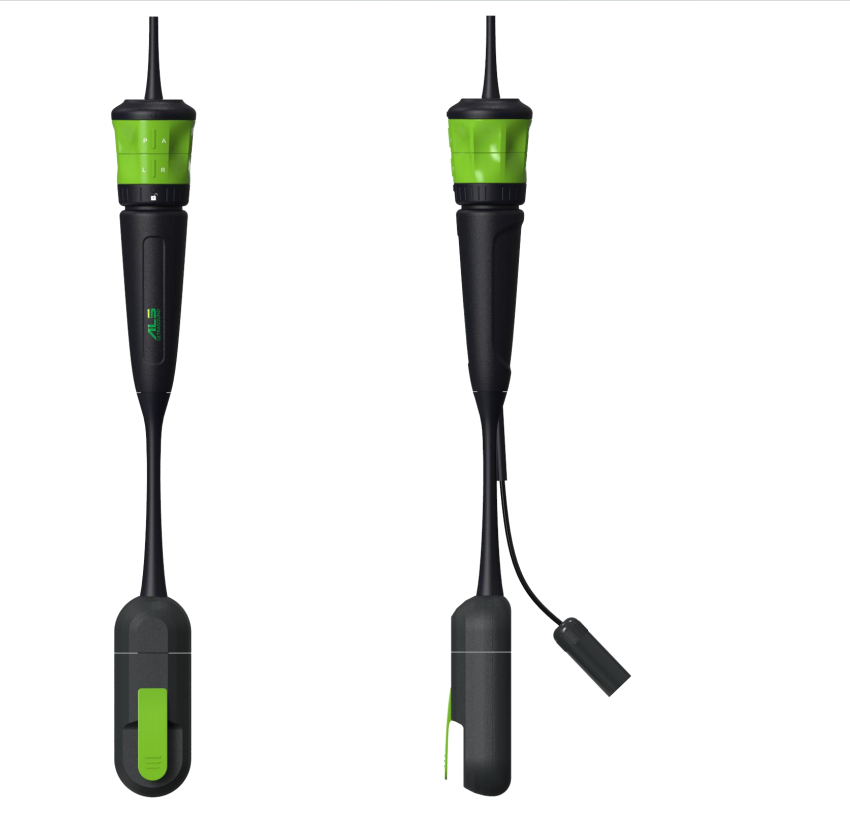
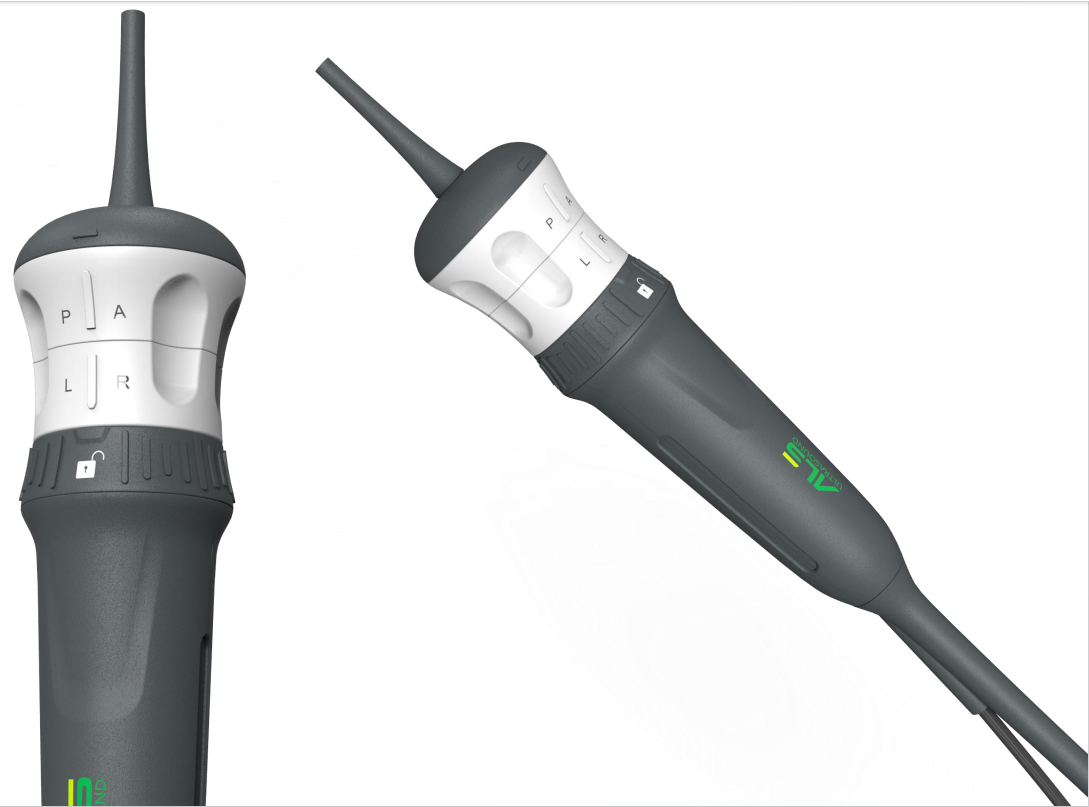
These are the three medical surgical handle schemes (A, B and C) provided by Suoguo Design. As the core operating end of surgical equipment, its design revolves around "the accuracy and comfort of surgical field operation" and integrates deep adaptation to surgical scenes in form, material and details. It is a typical sample of medical human-computer interaction design. The following analyzes the commonalities and differences from the four dimensions of design analysis, design language, design details, and ergonomics.
1. Design Analysis: Functional Prioritization of Surgical Field Scenarios
The core scenario of the surgical handle is the hand-held operation of the surgical operation, and the underlying logic of the three options is centered on "surgical field operation efficiency:
The functional modules are highly unified: the three handles are divided into three modules: "operation control area (top button/knob), grip area (handle body), and instrument connection area (bottom interface)", which fully conforms to the process logic of "medical handheld operation → control instrument → perform surgery. This modular design allows doctors to quickly adapt to the operating logic of different programs, reducing learning costs in the surgical field.
Scene adaptation of materials: the combination of "hard medical plastic anti-skid texture" is adopted. Hard materials ensure structural stability during surgery, while anti-skid texture meets the requirements of "gloved operation" in surgical field-even if there is disinfectant residue in hands, the stability of grip can be maintained to avoid the risk of handle slipping off.
2. Design Language: Rationality and Identification in the Surgical Field
The design language of the three schemes is based on the "rational specialty of the surgical scene", and the recognition degree is formed by the difference of color and form:
Commonality: rational minimalism: all three handles adopt "linear arc combination without redundant decoration" to avoid complex shapes interfering with the concentration of the surgical field and to convey the "rigor" of the surgical equipment ". The shape of the grip area conforms to the curve of the hand, which weakens the mechanical sense and strengthens the operation perception of "man-machine integration.
Difference: Color and Recognition:
Scheme A takes "white, black and green" as the main color, white conveys "medical cleanliness", and green is used as the functional identification color to make the key area more eye-catching;
Scheme B is mainly "black and green", black strengthens "professional tool sense", and green embellishment improves the recognition degree of operation area;
Scheme C is dominated by "gray, white and green", with light tones showing more lightness, which is suitable for visual comfort of long-term holding.
As a common embellishment color, green not only unifies the brand vision, but also forms the visual anchor point of "functional area" in the surgical field.
3. design details: hidden support for surgical field operations
The detailed design of the three schemes revolves around "blind operation and safety of surgical field:
Details of operation area: the top control area is designed with "raised keys/knobs". doctors and nurses can identify function keys through touch sense to realize "blind operation of surgical field" (no need to look away from the operation site) and improve operation efficiency. The feedback strength of the key has been adjusted to form a linear correlation between "pressing feel" and "function trigger" to avoid the problem of wrong touch or improper operation.
Details of the grip area: the grip area is provided with "segmented anti-skid texture", which fits the force point of natural grip of fingers, which not only enhances grip stability, but also reduces hand fatigue caused by long-term grip. The joint between the handle and the cable adopts "arc transition" to avoid cable bending damage, and at the same time make the cable direction in the surgical field more natural and reduce interference to surgical operations.
Details of the connection area: the connection ports of the bottom instruments are all of the "foolproof structure", which can only be inserted in one direction to avoid wasting time due to connection errors in the surgical field. At the same time, the sealing design at the interface improves the sterility of the instruments.
4. ergonomics: precise adaptation of surgical field grip
The ergonomic core of the surgical handle is "adapting to the hand-held posture in the surgical field", and all three schemes have been optimized:
Adaptation of holding form: the thickness and radian of the handle are in line with the "hand size after wearing sterile gloves", and the fingers can naturally bend and fit during holding to avoid excessive tension of hand muscles; The length of the holding area of the three schemes is slightly different, which is suitable for medical personnel with different hand types to improve universality.
Optimization of weight and center of gravity: the center of gravity of the handle is designed in the "middle of the holding area", the wrist is more evenly stressed when holding, and the wrist fatigue caused by long-term operation is reduced. The overall weight is controlled within the range of "no burden in hand-holding" to avoid the influence of operation accuracy due to the heavy handle in the surgical field.
Conclusion: Human-machine collaboration partners in the surgical field.
These three medical surgical handle designs are balanced samples of "function, experience and safety" in the surgical field scene. They use functional modularity as the skeleton to adapt to the surgical operation process. Rational design language is used as texture to convey the sense of medical professionalism. Detail design is used as nerve to support blind operation and safety of surgical field. Taking human engineering as the blood vessel, the burden of medical care operation is reduced.
At a time when surgery is becoming more and more refined, this design not only improves the operation efficiency of the surgical handle, but also redefines the value of the "surgical tool"-it is no longer the cold operating end, but the medical care in the surgical field. "Precision collaboration partner". This concept of "adapting the surgical field scene to design and caring for the medical experience in detail" also points out the direction for the design of surgical instruments: only by deeply integrating "the rationality of surgical function" with "the sensibility of human-computer experience" can we create medical tools that really help surgery. SOGOT DESIGN: www.soogot.com








The sense of experience is very good
Meet the common needs of doctors
The accuracy is very high, huh