Hebei Pinzhi Industrial Design Company is located in Shijiazhuang, Hebei Province. It has many years of design experience and is the product we design.
1. Core Principles: User-Centered
This is the starting point for all design. Users include not only medical professionals such as doctors and nurses, but also patients and family caregivers.
Clear user profile:
Professional users (doctors/nurses): They need efficiency, precision and reduced fatigue. The design should conform to their workflow, operating habits and cognitive patterns.
Non-professional users (patients/family): For home medical devices (e. g. blood glucose meters, ventilators), the design must be extremely simple, intuitive, and friendly, reducing operational fear and error.
Human Factors Engineering and Usability:
Grasp and hold: The shape, size, weight distribution and surface material (non-slip) must ensure a stable and comfortable grip under various conditions (e. g. wearing gloves, wet hands).
Visibility and readability: The screen, indicator lights and signs must be clear and easy to read, even in poor light or emergency situations. Consider color contrast, font size, and icon semantics.
Interactive logic: the layout of buttons, knobs and touch screens should be logical to prevent misoperation. Key function keys (e. g. switch, emergency stop) shall be prominent and easily accessible.
Clear feedback: The device should give clear operation feedback through visual (light), auditory (prompt sound), and tactile (vibration) to let the user know that the instruction has been received and executed.
2. Security and Compliance
This is the bottom line of medical device design and cannot be compromised.
Reduced risk of infection:
Surface treatment: the shell should be seamless or very few seams to avoid dirt. The material must be resistant to corrosion, chemical disinfectants (such as alcohol, chlorine disinfectant) repeatedly wipe.
Rounded corner design: avoid sharp edges and corners to prevent users from scratching or breaking gloves.
Prevent the use of errors:
Error-proof design: interfaces (such as power supply, data line, pipeline connector) should be designed to only be connected in the correct way to prevent the wrong plug. This is the famous "Poka-yoke" concept.
Status indication: The working status of the equipment (normal operation, standby, fault, low power) must be clear at a glance.
Compliance with regulatory standards:
The design must comply with the medical device regulations of the target market, such as China's "Medical Device Supervision and Management Regulations", the FDA Human Factors Engineering Guidelines in the United States, the European Union's MDR (Medical Device Regulations) and IEC 60601-1 (Medical Electrical Equipment Safety Standards). These regulations have detailed regulations on electrical safety, mechanical safety, biocompatibility, etc.
Support for 3. function and performance
Appearance is an extension of inner function.
Heat dissipation design: Electronic equipment will generate heat, and the appearance design needs to reasonably plan the position and size of the ventilation holes, not only to ensure the heat dissipation efficiency, but also to prevent liquid intrusion and dust accumulation.
EMI/EMC considerations: The metal enclosure can shield electromagnetic interference, but may affect wireless signals (such as Wi-Fi, Bluetooth). Plastic housings require internal coatings or structures to meet electromagnetic compatibility requirements. Exterior designers need to work closely with electronic engineers.
Constraints of internal layout: The appearance must contain all components such as internal PCB boards, batteries, motors, sensors, etc., and cannot sacrifice the rationality of internal space for the sake of modeling.
4. manufacturing and cost
A good design must be manufacturable and profitable.
Design for manufacturability:
Parts and demoulding: consider the demoulding angle and parting line position of the injection mold. Reasonable sub-parts can simplify the mold structure and reduce costs. The treatment of parting line directly affects the appearance quality.
Material selection: commonly used medical grade plastics such as ABS, PC, PP, etc., to weigh its strength, chemical resistance, cost and surface treatment effect.
Cost control: Complex surfaces, special materials, and excessive number of parts will significantly increase mold costs and single-piece costs. Design should find a balance between aesthetics and cost.
5. cleaning and maintenance
Medical devices require frequent cleaning and maintenance.
Easy to clean: smooth surface, no dead angle, wear-resistant logo does not fade.
Easy to maintain: Does the design need to consider a detachable shell to facilitate engineers to replace vulnerable parts such as batteries and filters? Is the location of the screw holes hidden and easy to operate?
6. Brand and Emotional Design
When all the hard requirements are met, design can be a powerful competitive tool.
Brand identification: through specific modeling language, color plan, material texture, establish a unified family design language, so that users can recognize your brand at a glance.
Reduce anxiety: For the equipment used by patients, soft, warm lines, quiet colors, and friendly lights should be used to reduce the "cold feeling" of the equipment and the patient's psychological pressure.
Convey professional and reliable: For professional equipment, the shape should be simple, stable and precise, conveying the sense of science and technology and reliability.
Summary Checklist (design self-examination list):
User level: Is it comfortable to grip? Is it intuitive to operate? Is it clearly identified? Is it suitable for the capabilities and environment of the target user?
Safety level: Is it easy to clean and disinfect? Are there sharp edges and corners? Are they prone to misoperation? Are they in line with major regulations?
Functional level: Is heat dissipation good? Is electromagnetic compatibility up to standard? Can all internal components be accommodated?
Manufacturing level: can the mold be opened smoothly? Is the cost within the budget? Is the assembly process complicated?
Experience level: Does it look trustworthy? Does it reduce user stress? Does it match the brand image?



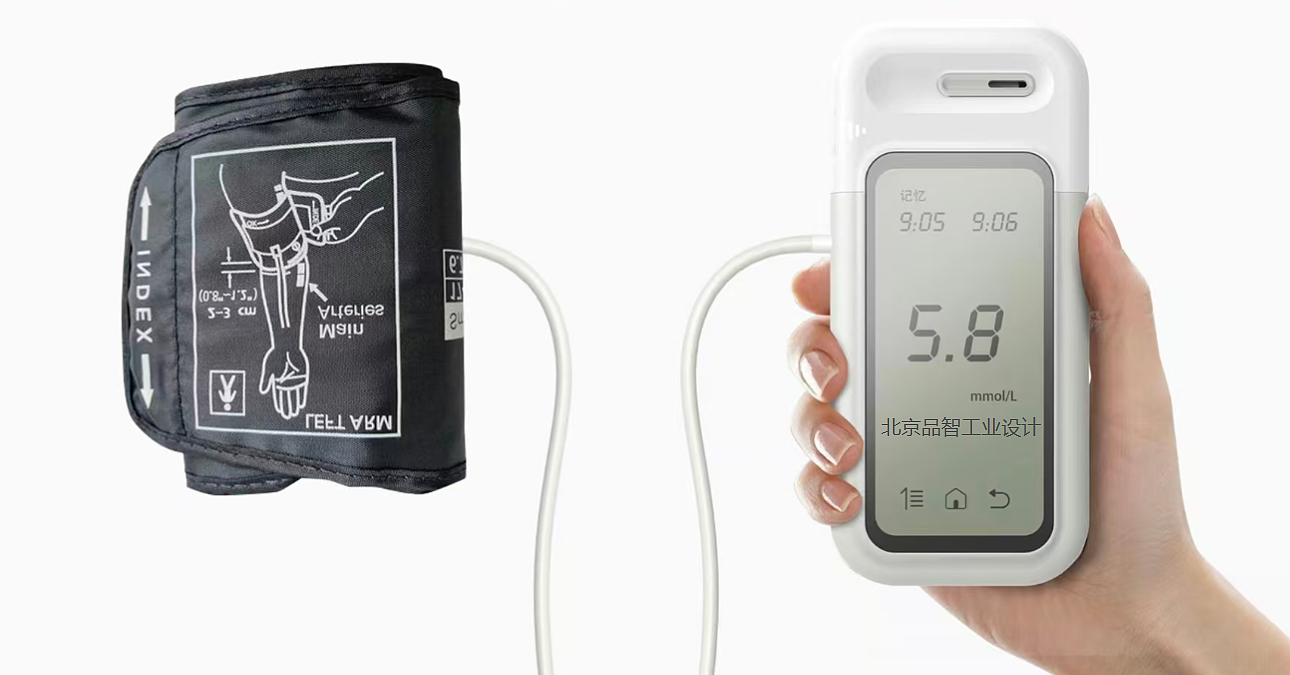
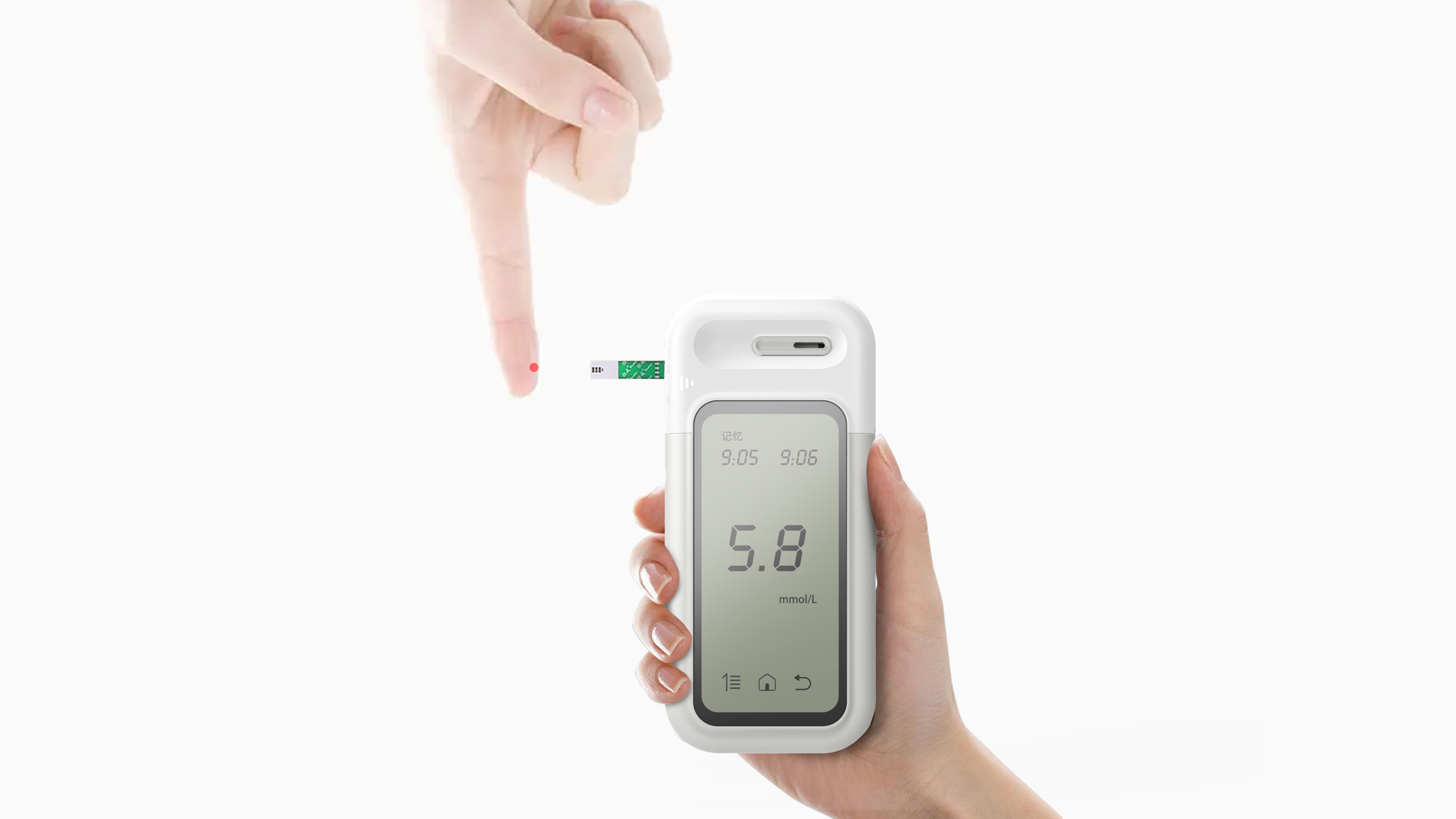
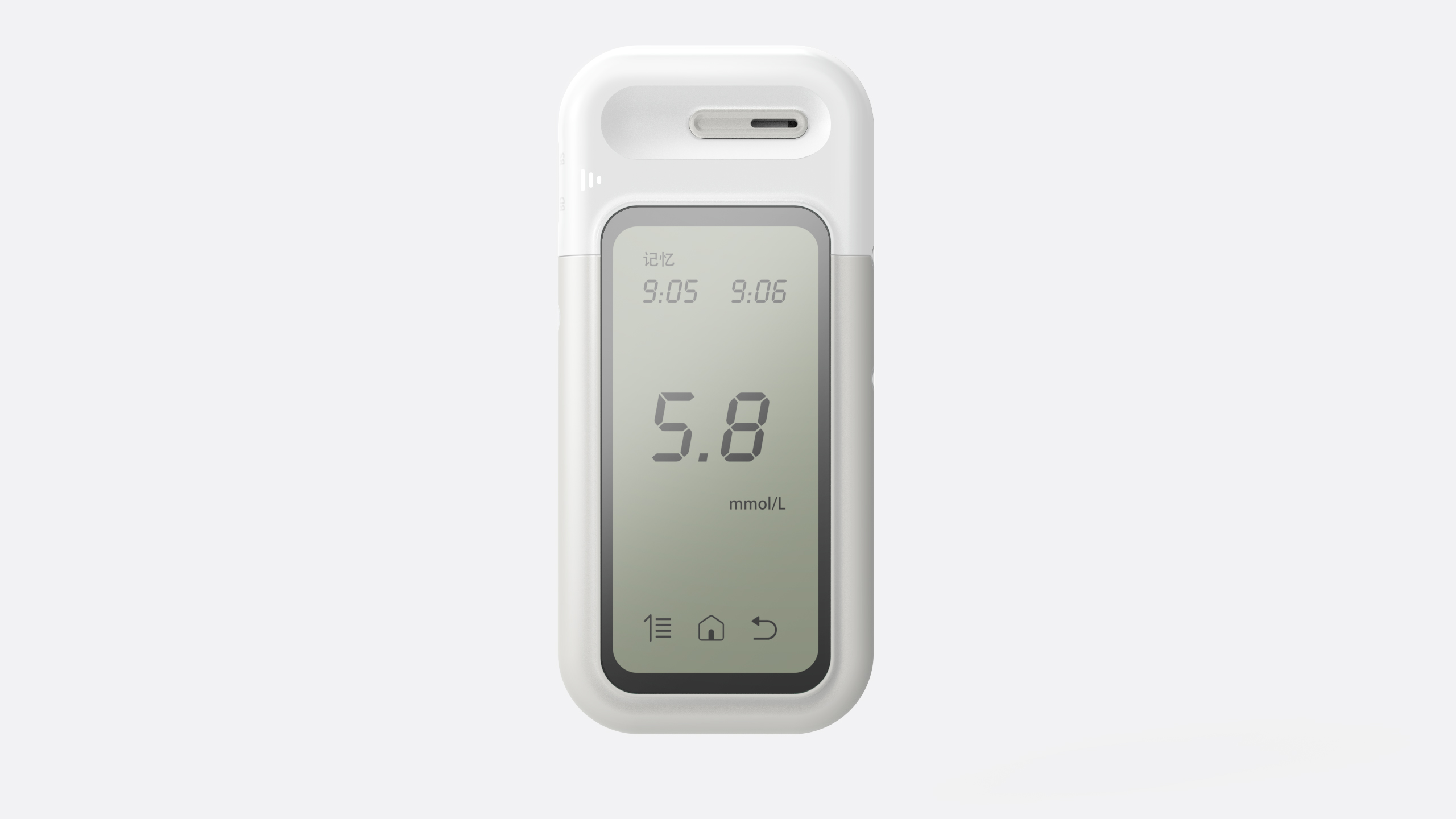
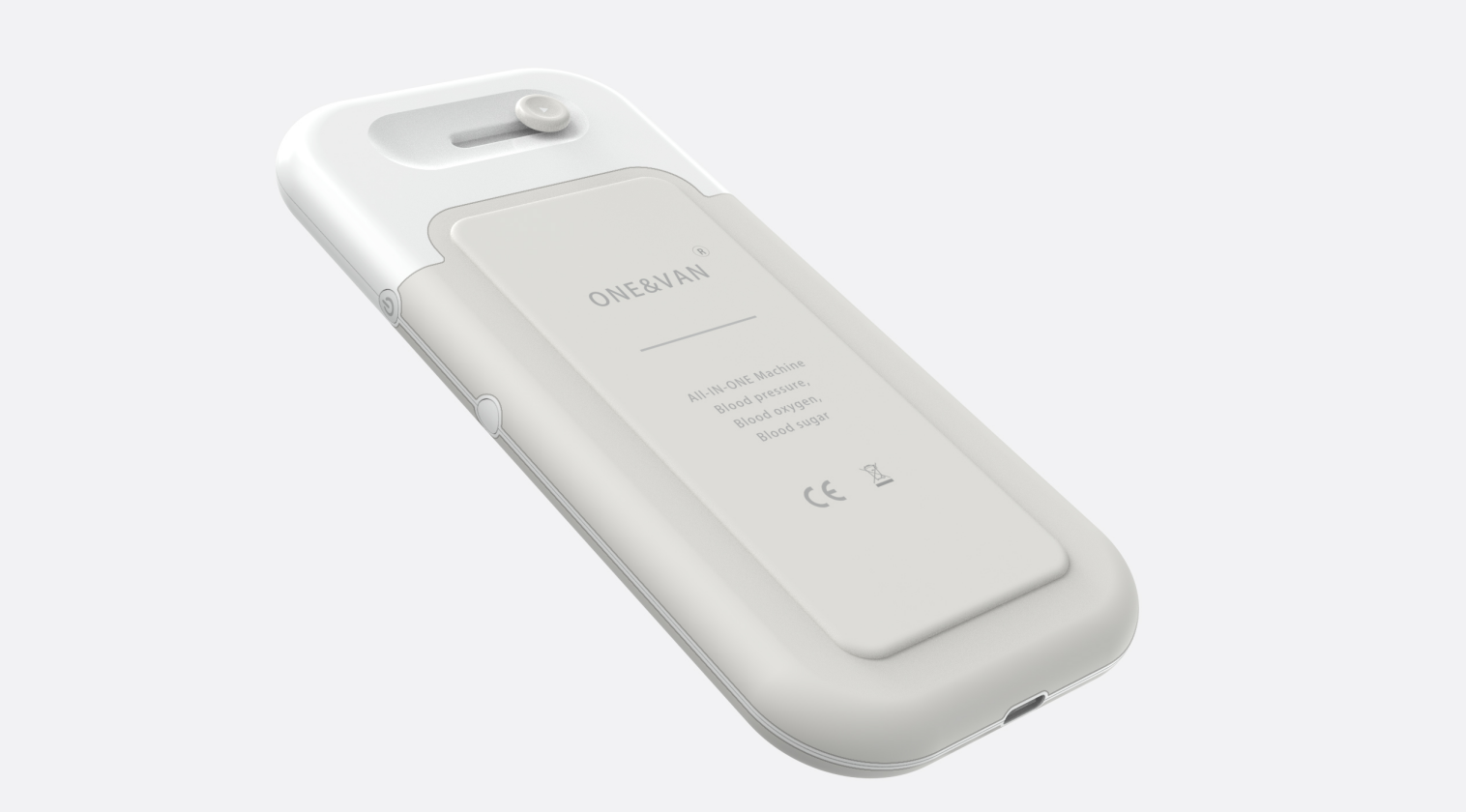




this is OK
convenient and practical