Industrial equipment design is a complex process, which requires comprehensive consideration of functionality, performance, reliability, safety, ease of use, maintenance and other aspects. The following are the general steps and key points of industrial equipment design:
demand analysis
1. Clarify the purpose of the equipment: determine the specific tasks and functions to be completed by the equipment.
2. Production capacity requirements: according to the production scale and output demand, determine the production efficiency of the equipment, processing capacity and other parameters.
3. Working environment conditions: consider the working environment of the equipment, such as temperature, humidity, dust, vibration and other factors, in order to select the appropriate materials and design protective structure.
4. Safety and regulatory requirements: Understand the relevant safety standards and regulations to ensure that the equipment design meets the requirements of safety and environmental protection.
Conceptual Design
1. Principle scheme design: according to the demand analysis, put forward a variety of possible working principles and technical schemes, compare and screen, and determine the optimal principle scheme.
2. Overall layout design: preliminary planning of the overall structure of the equipment and the relative position of each part.
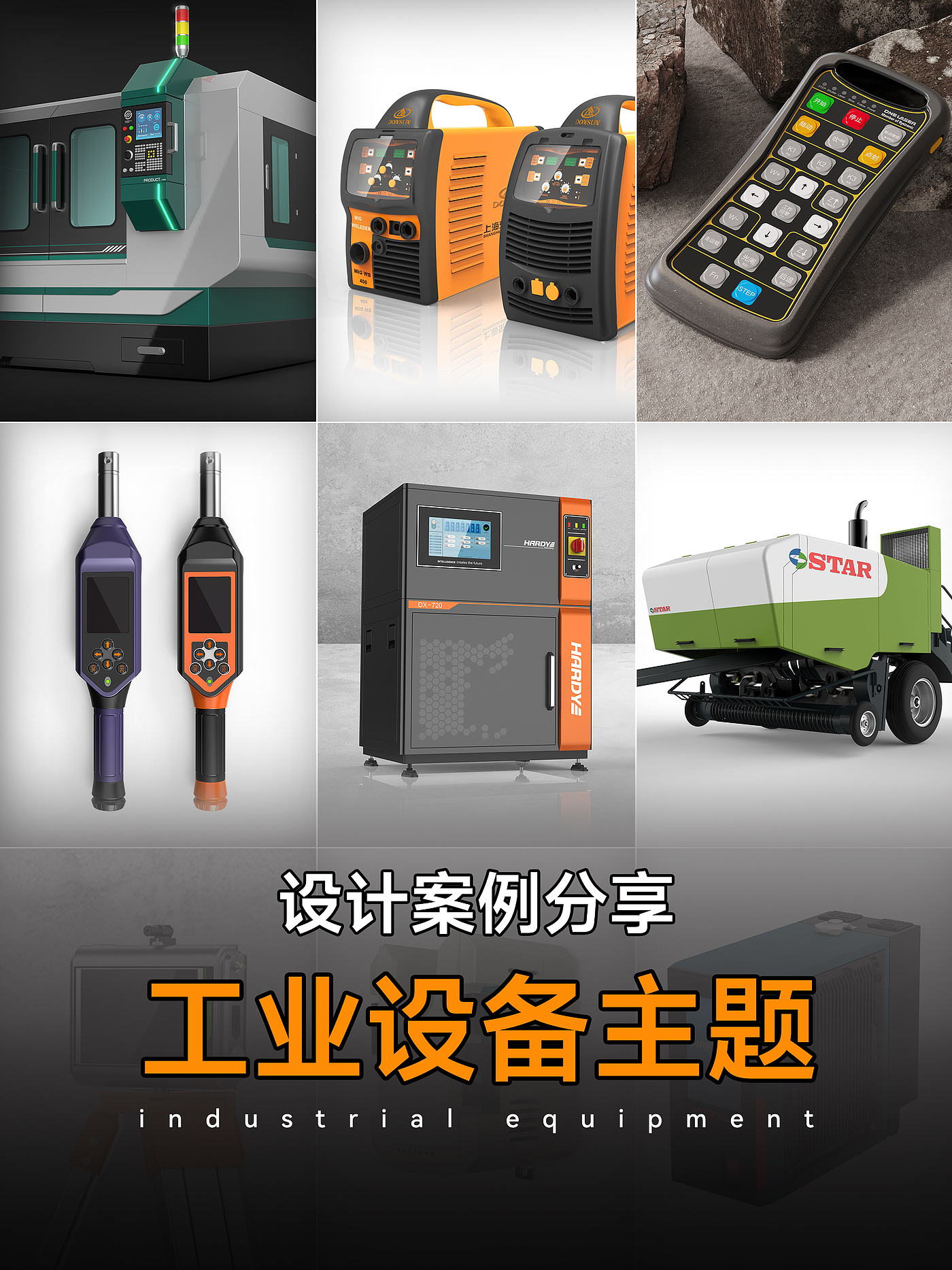
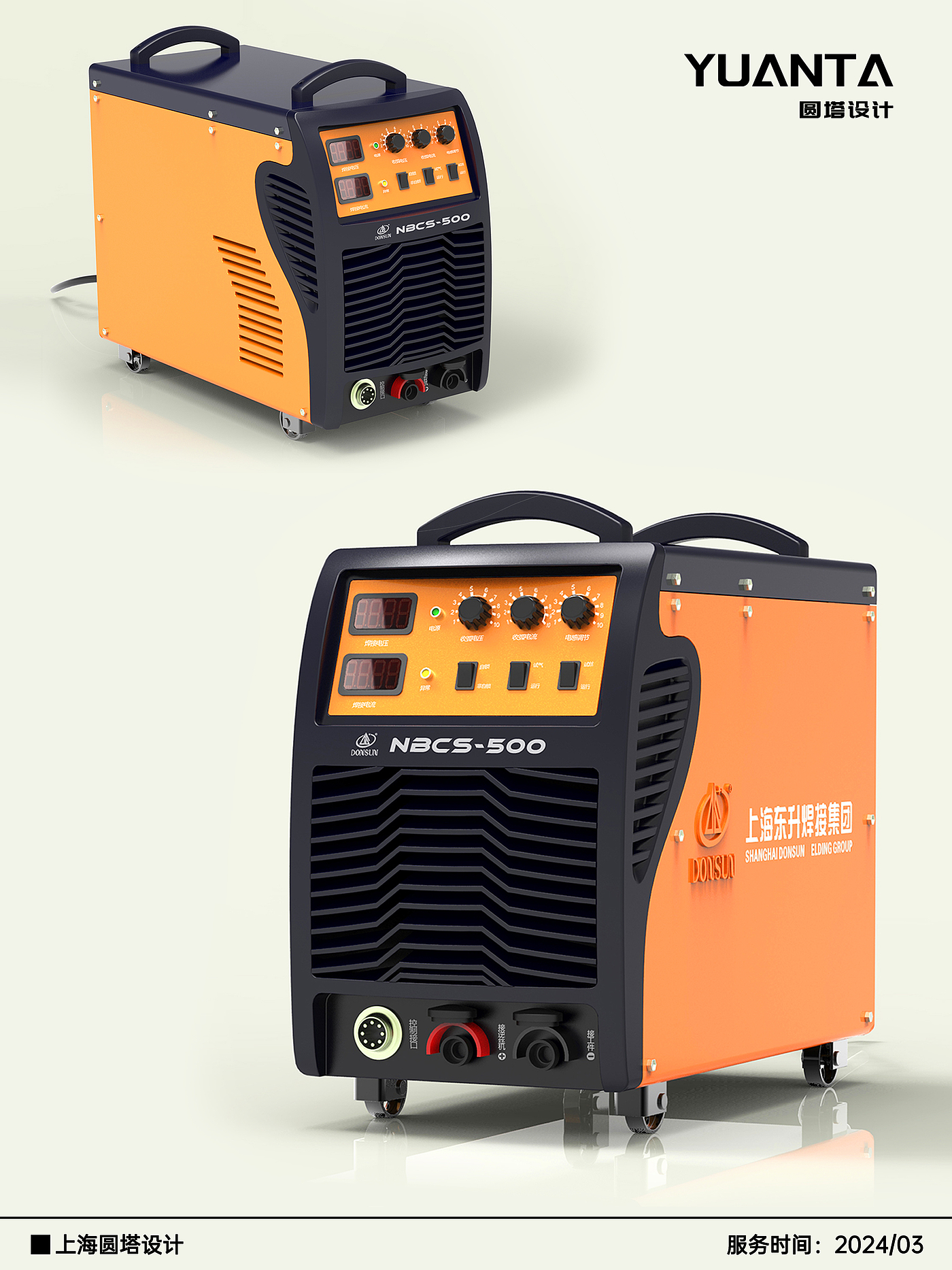
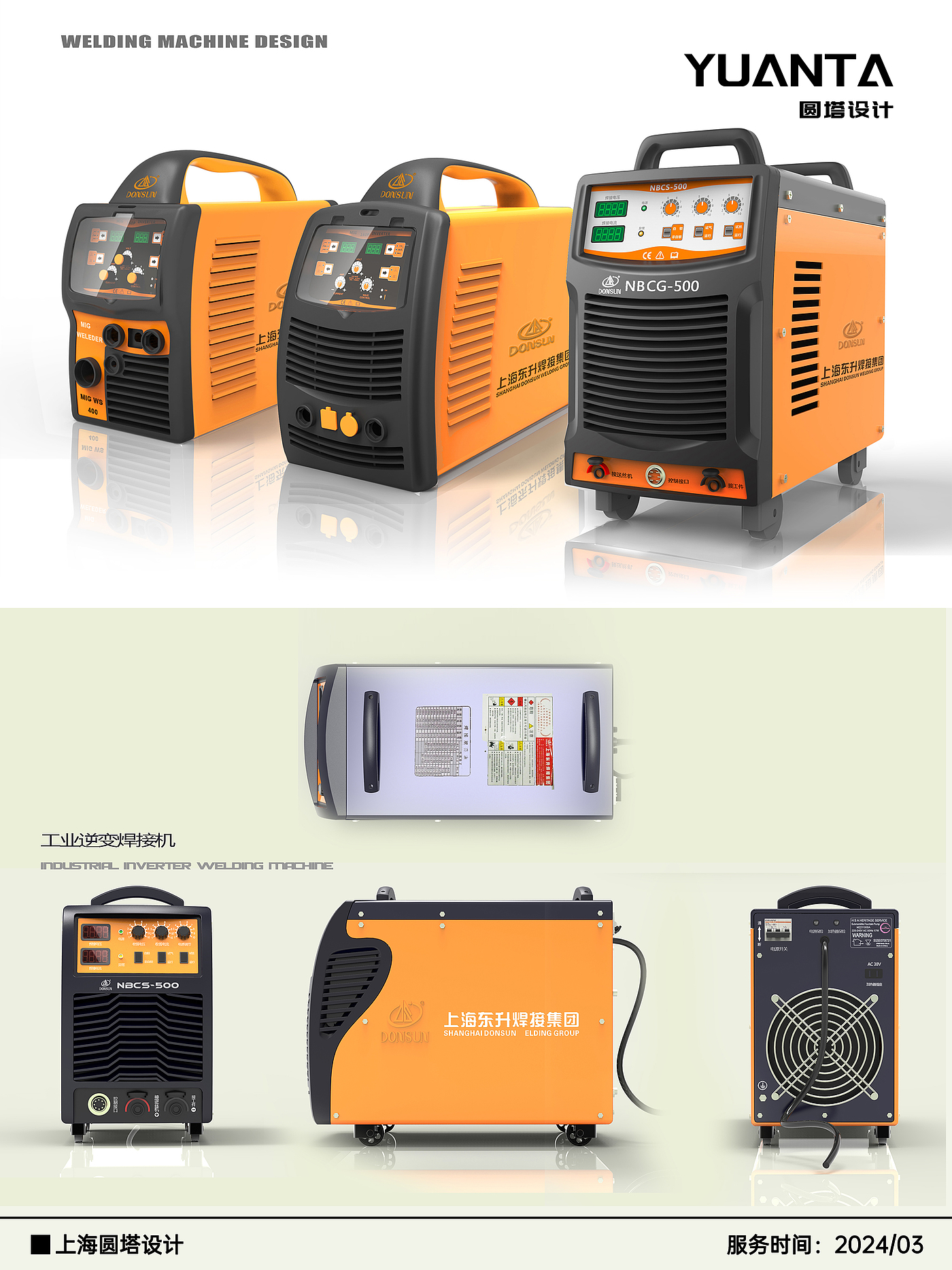
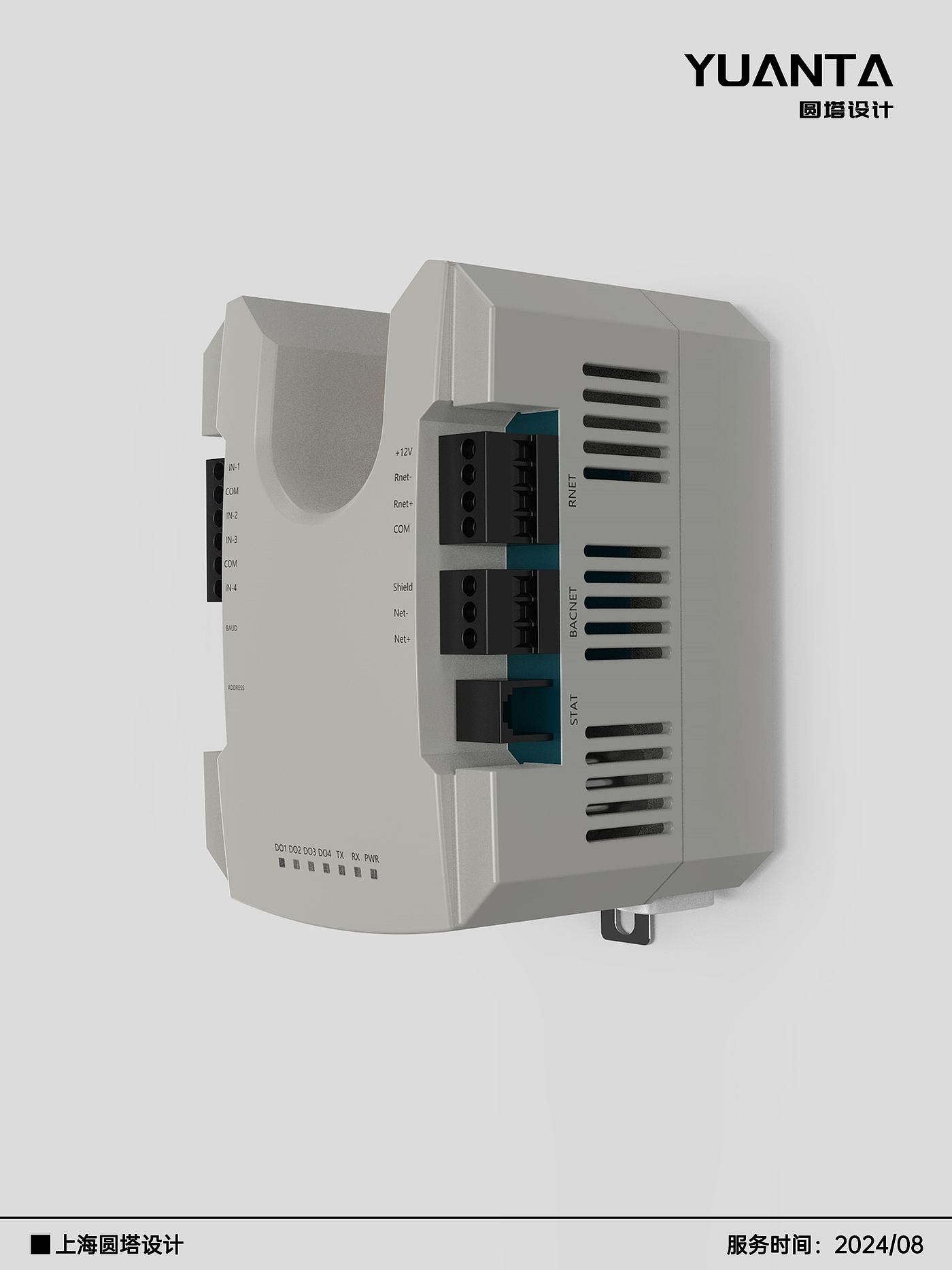
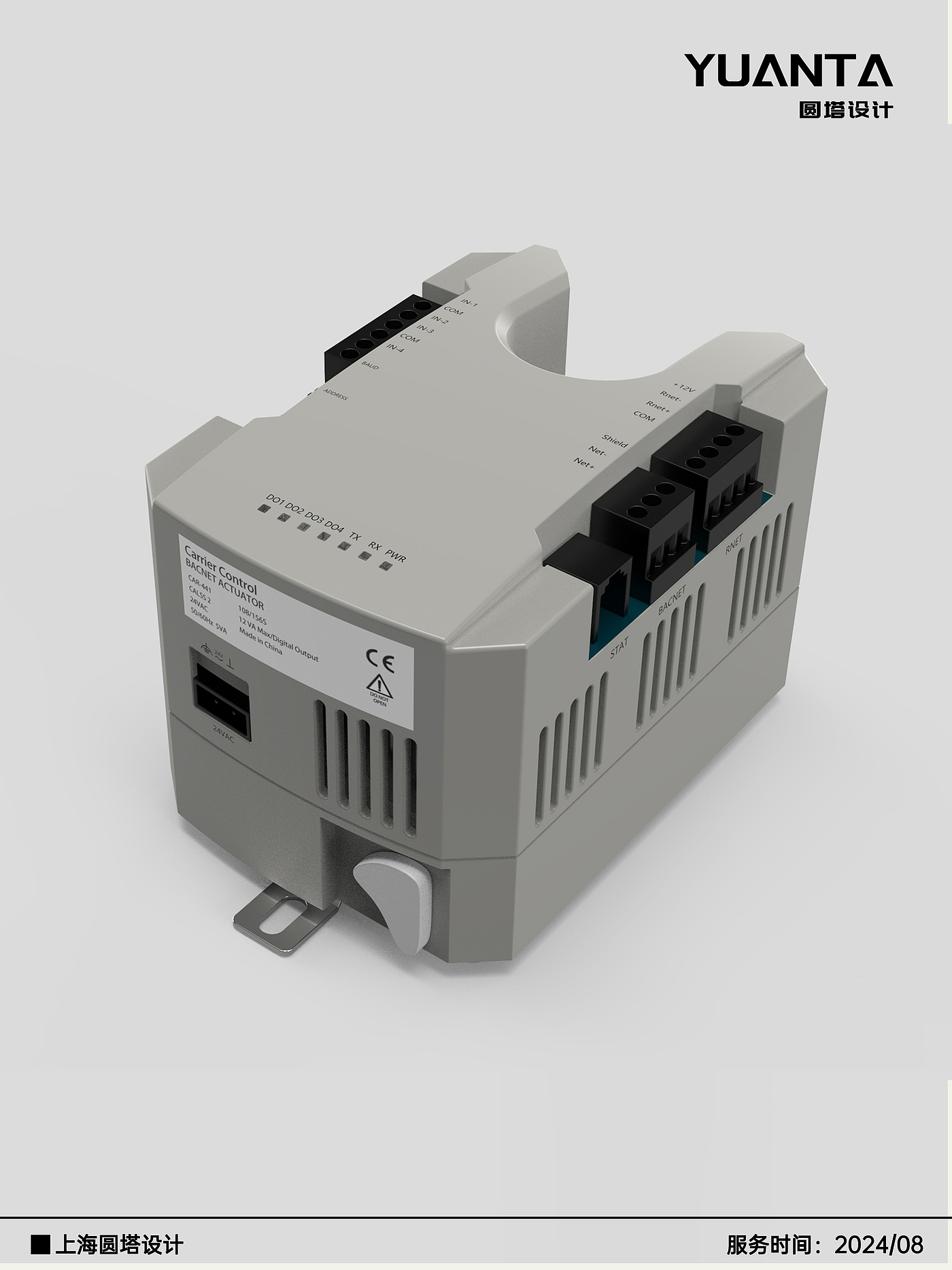
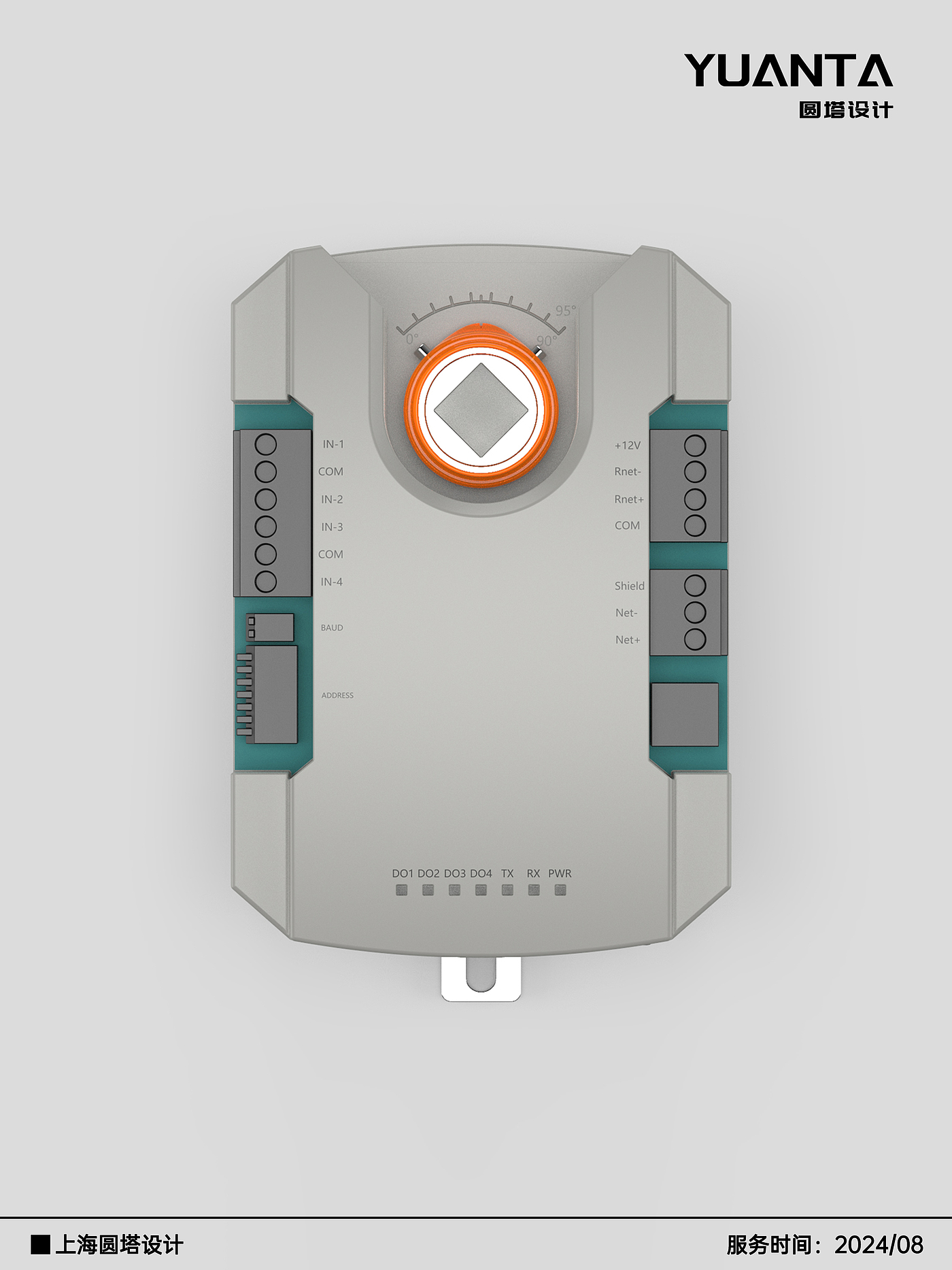
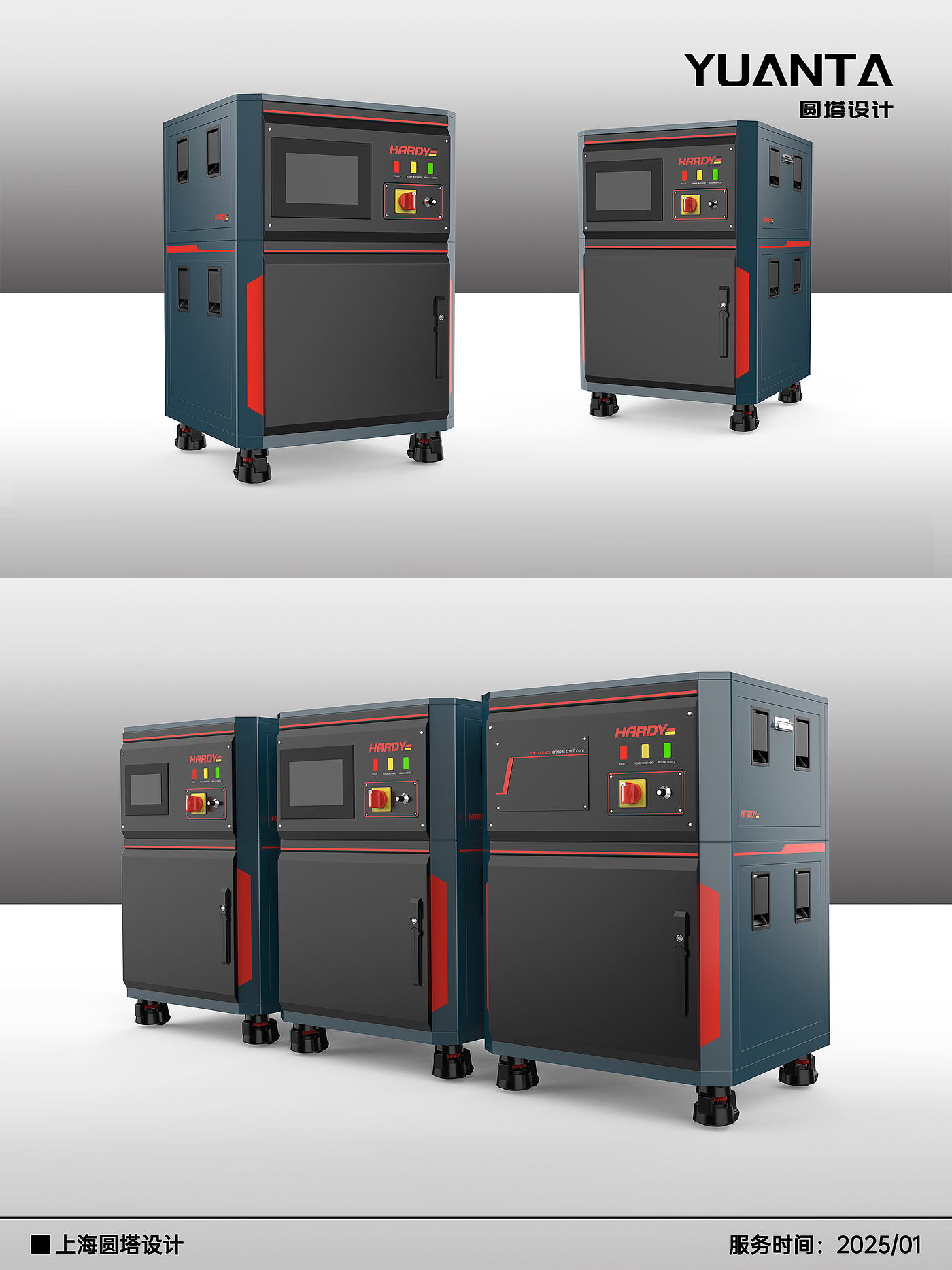
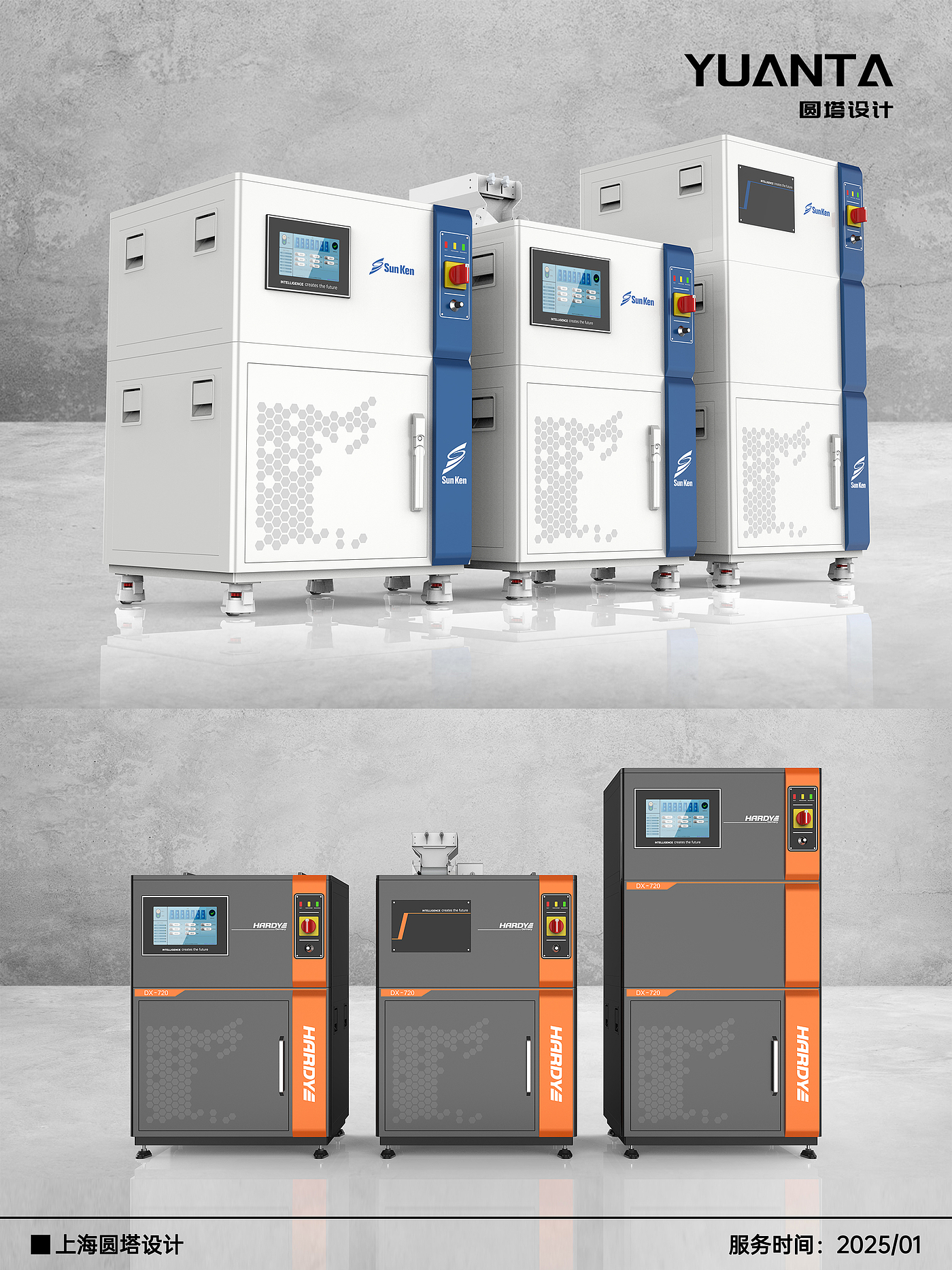
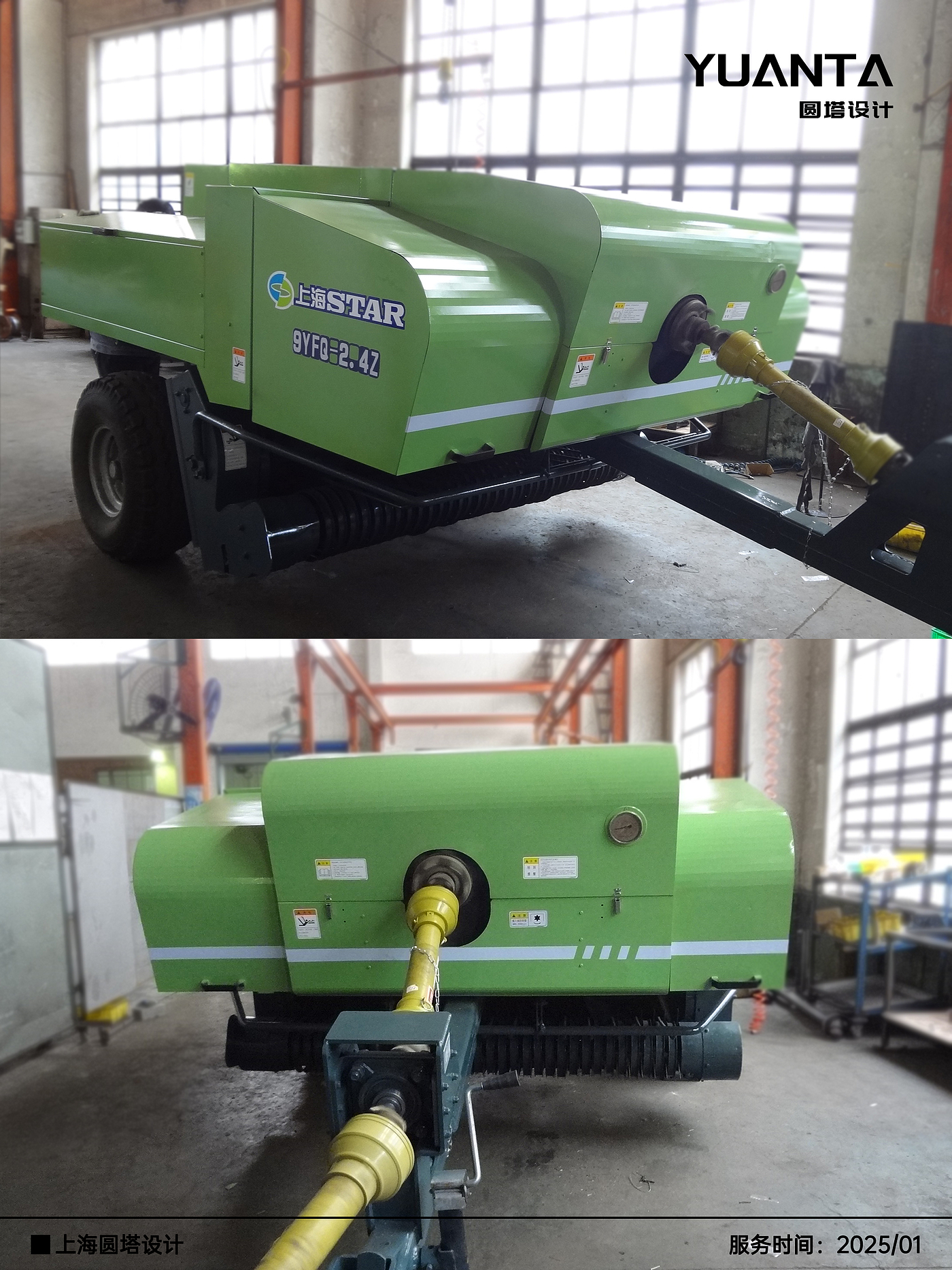
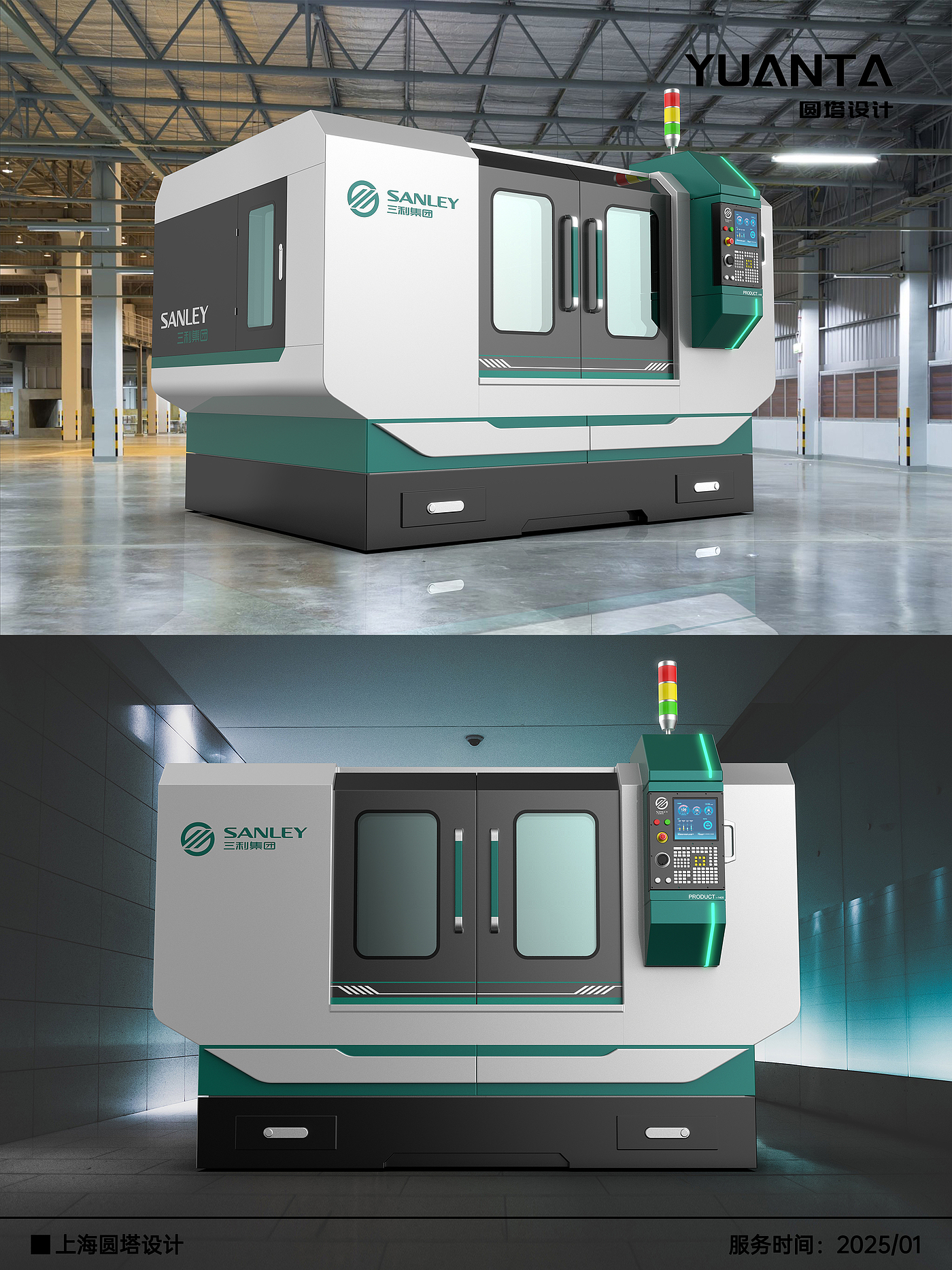
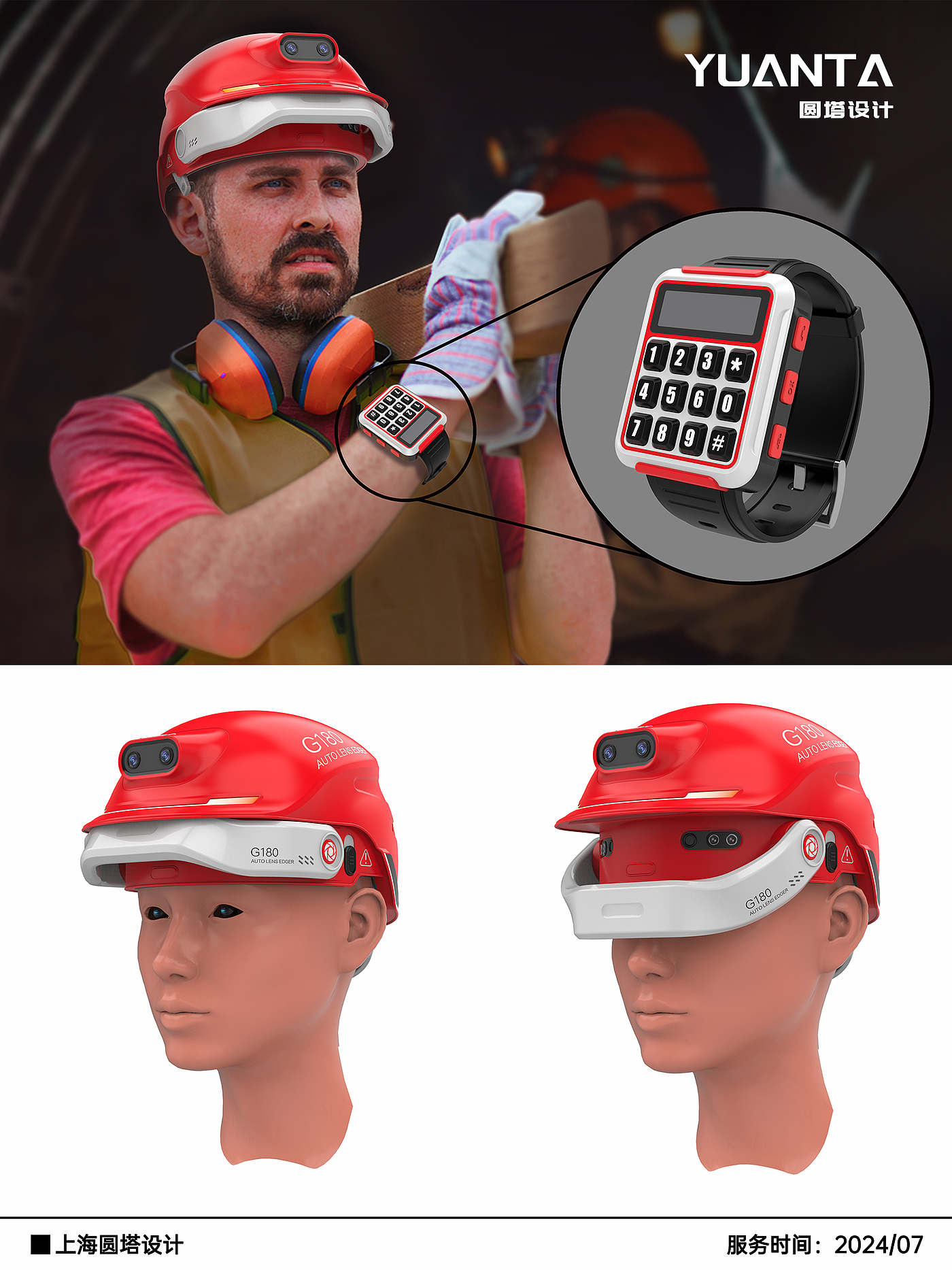
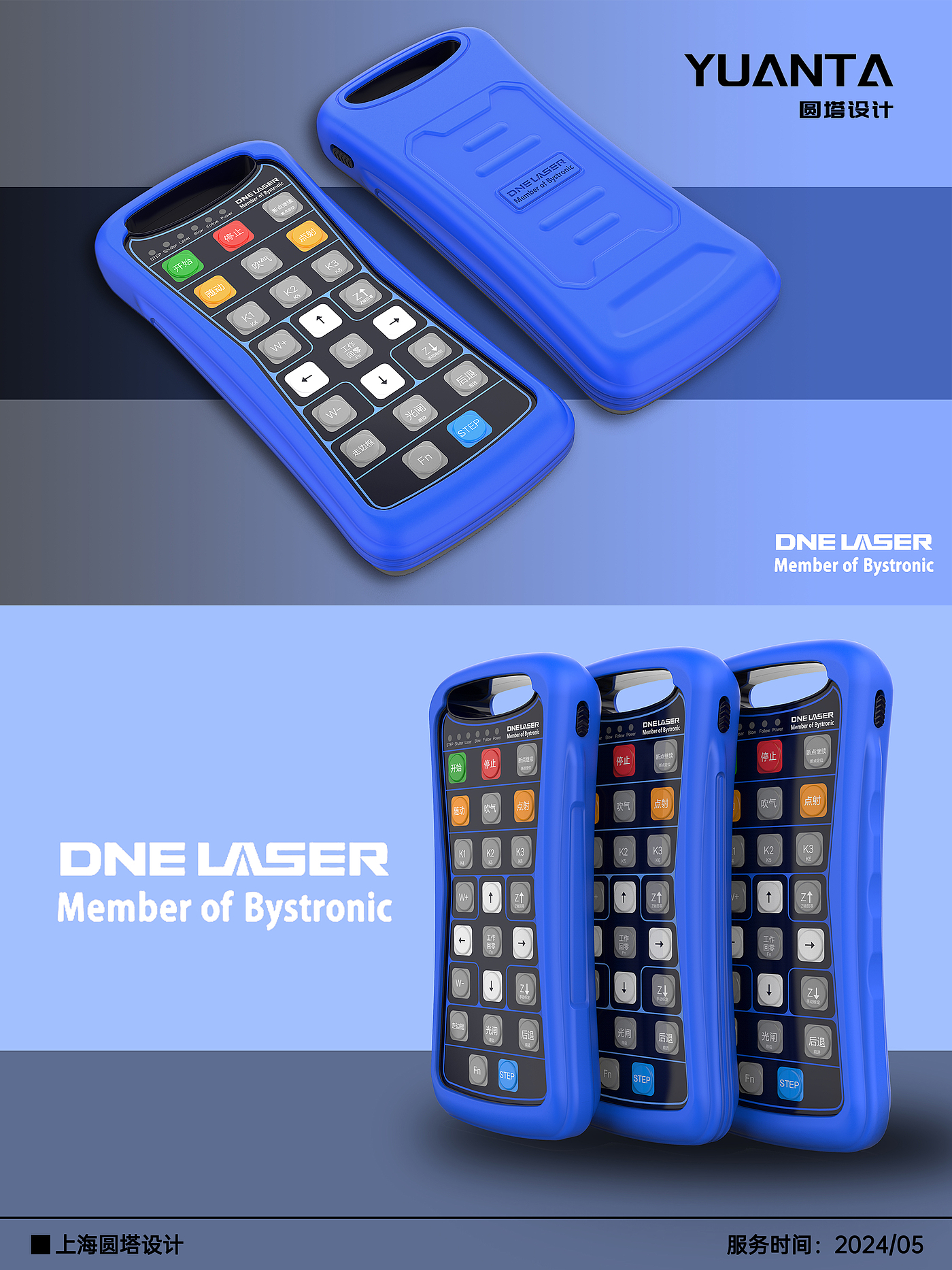
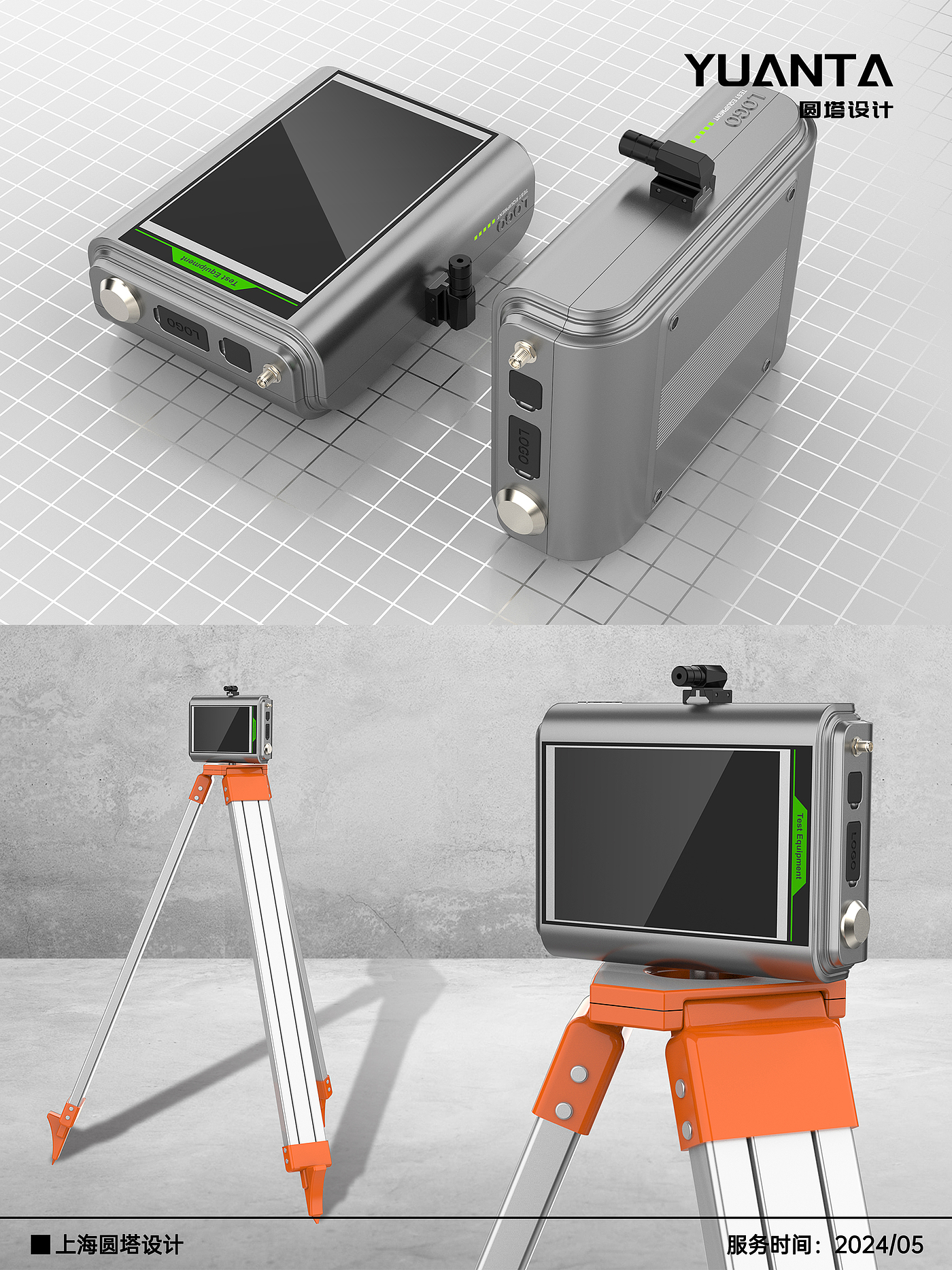
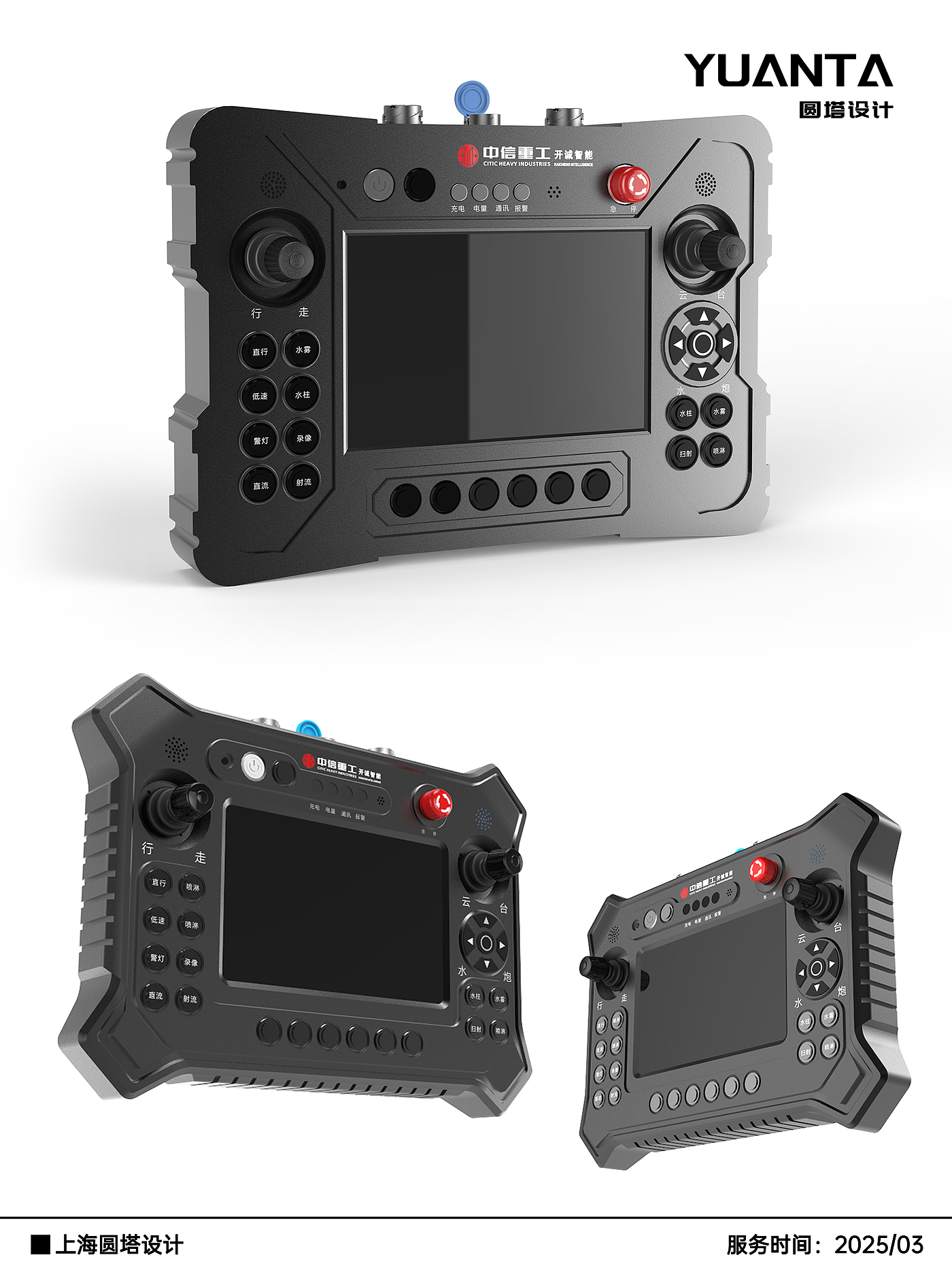
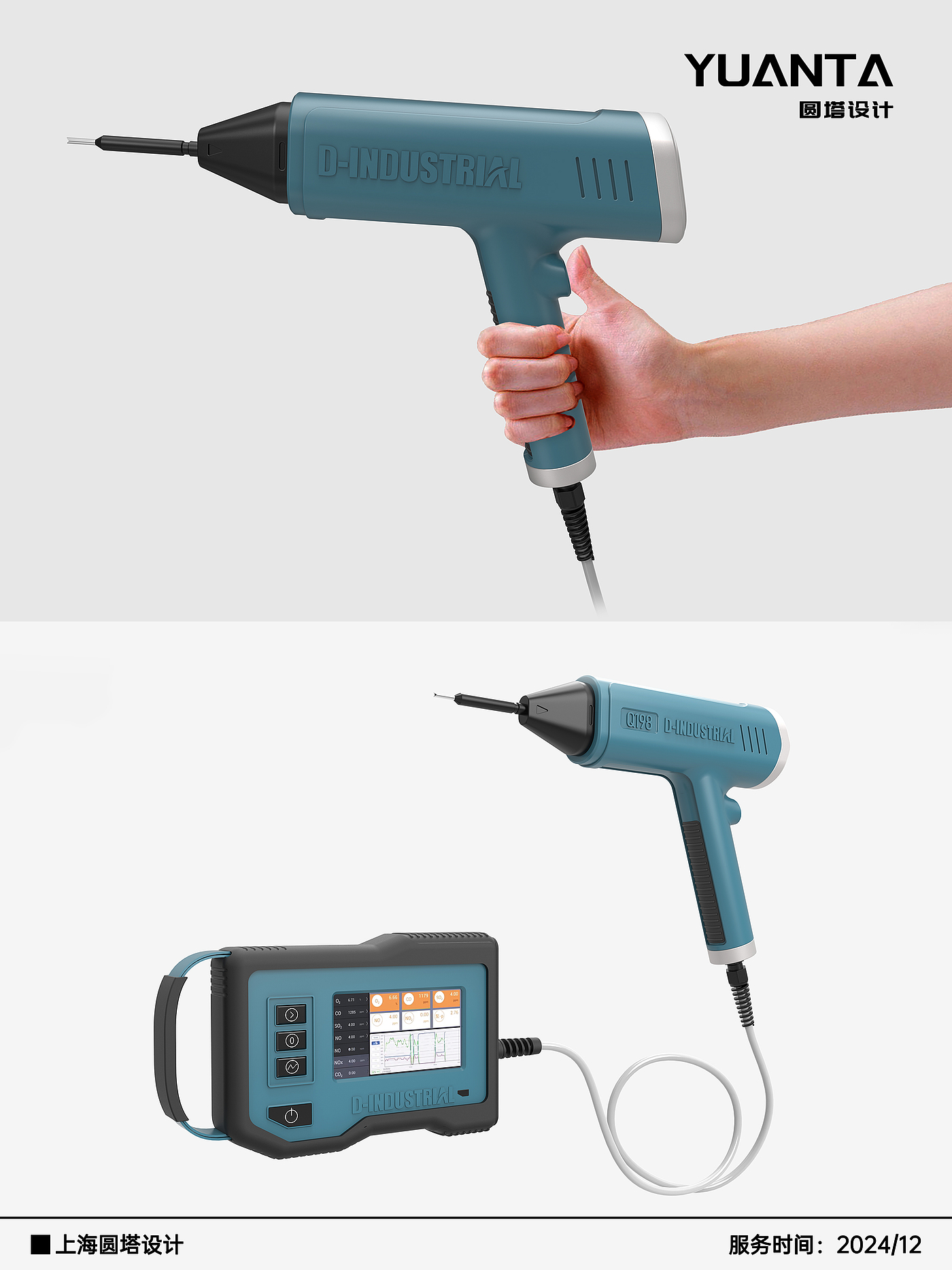
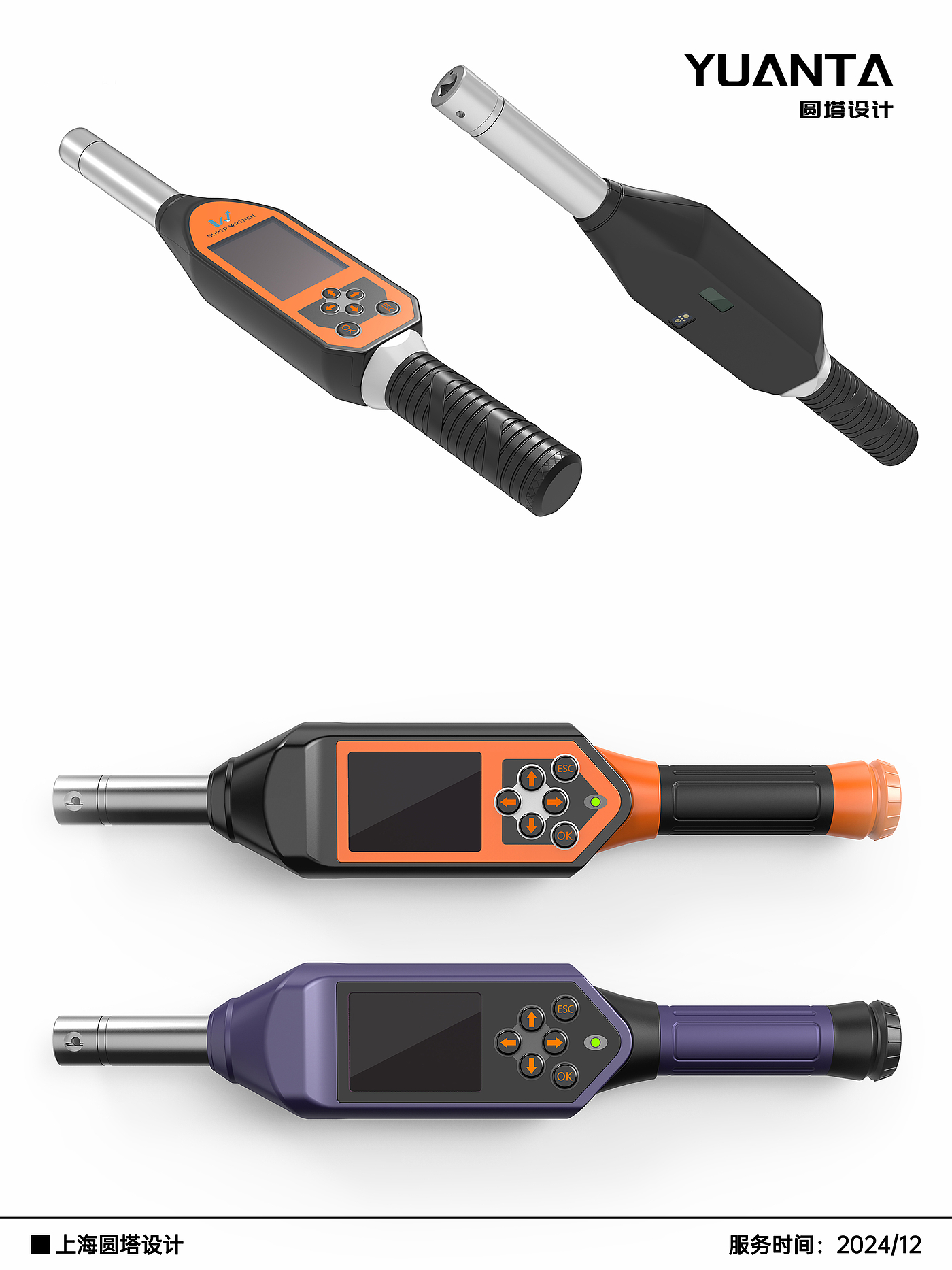
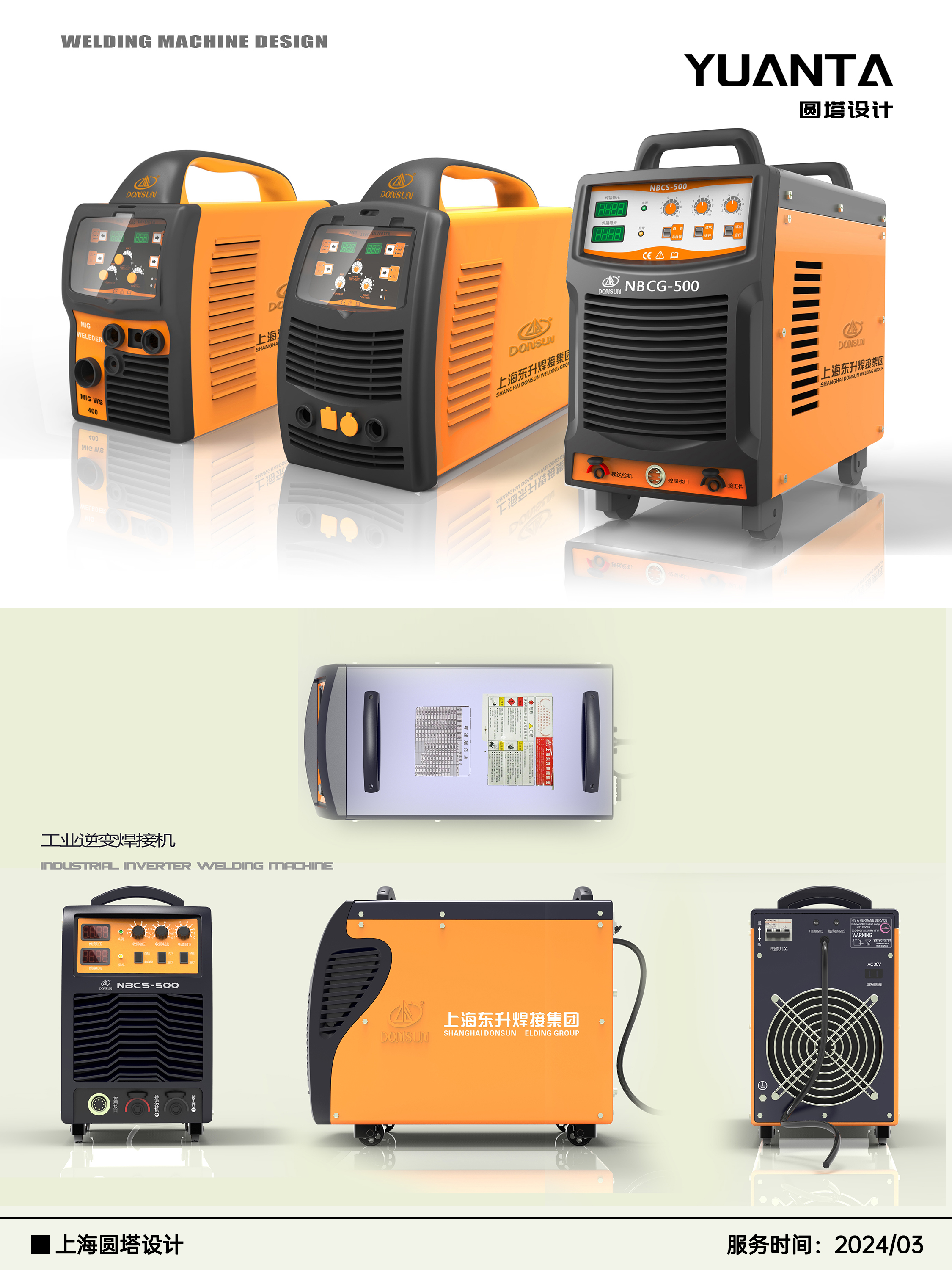
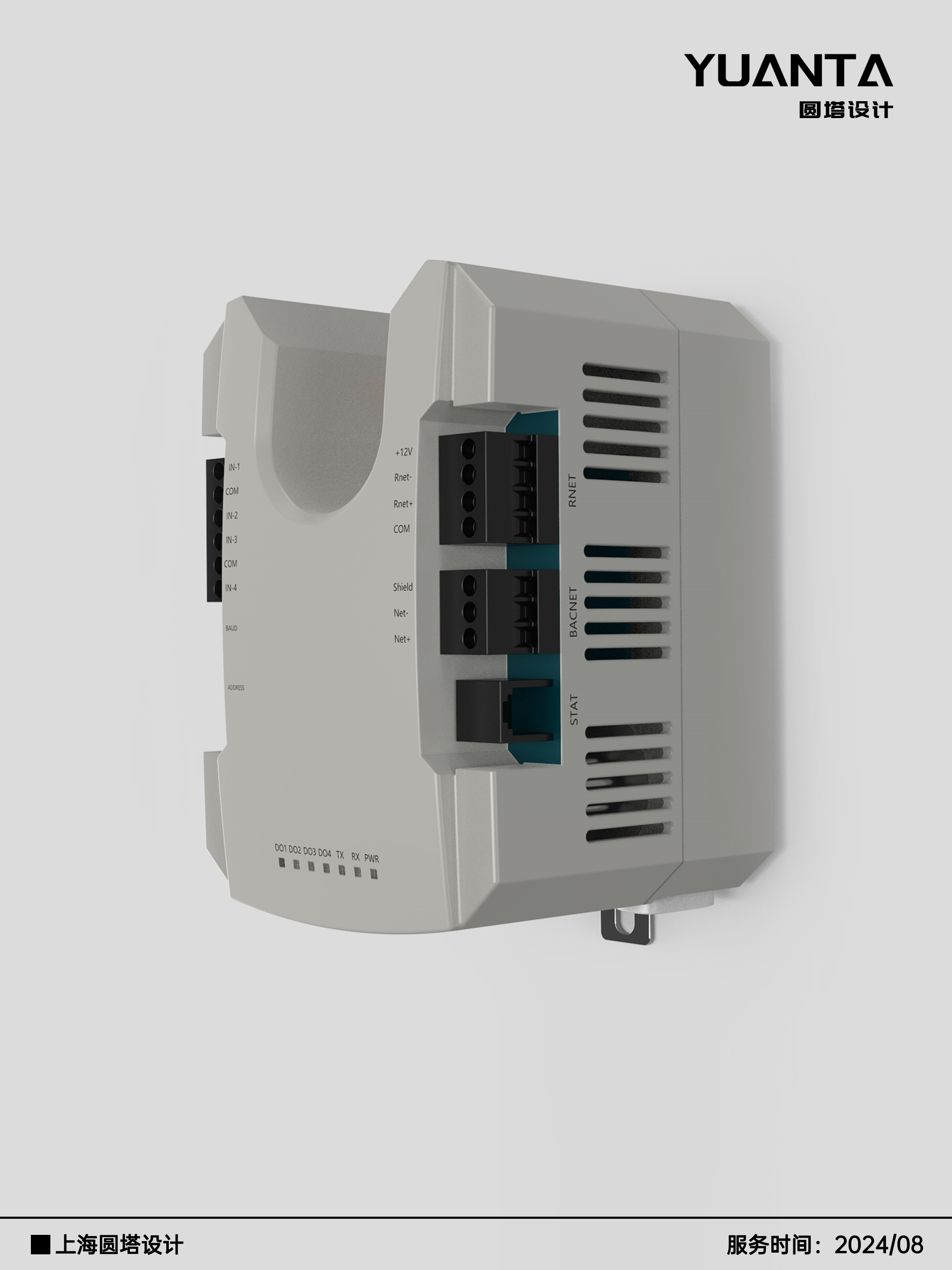
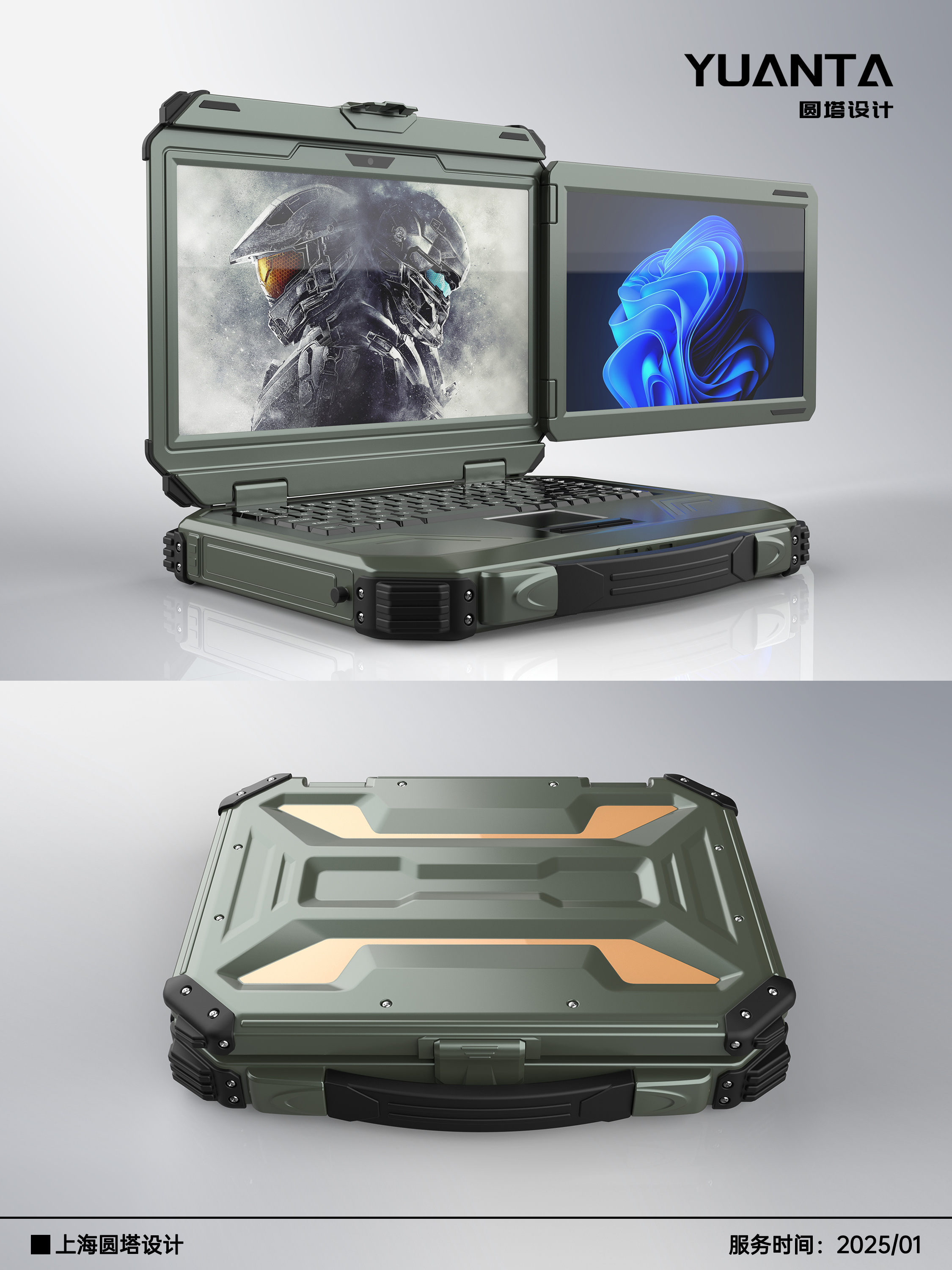
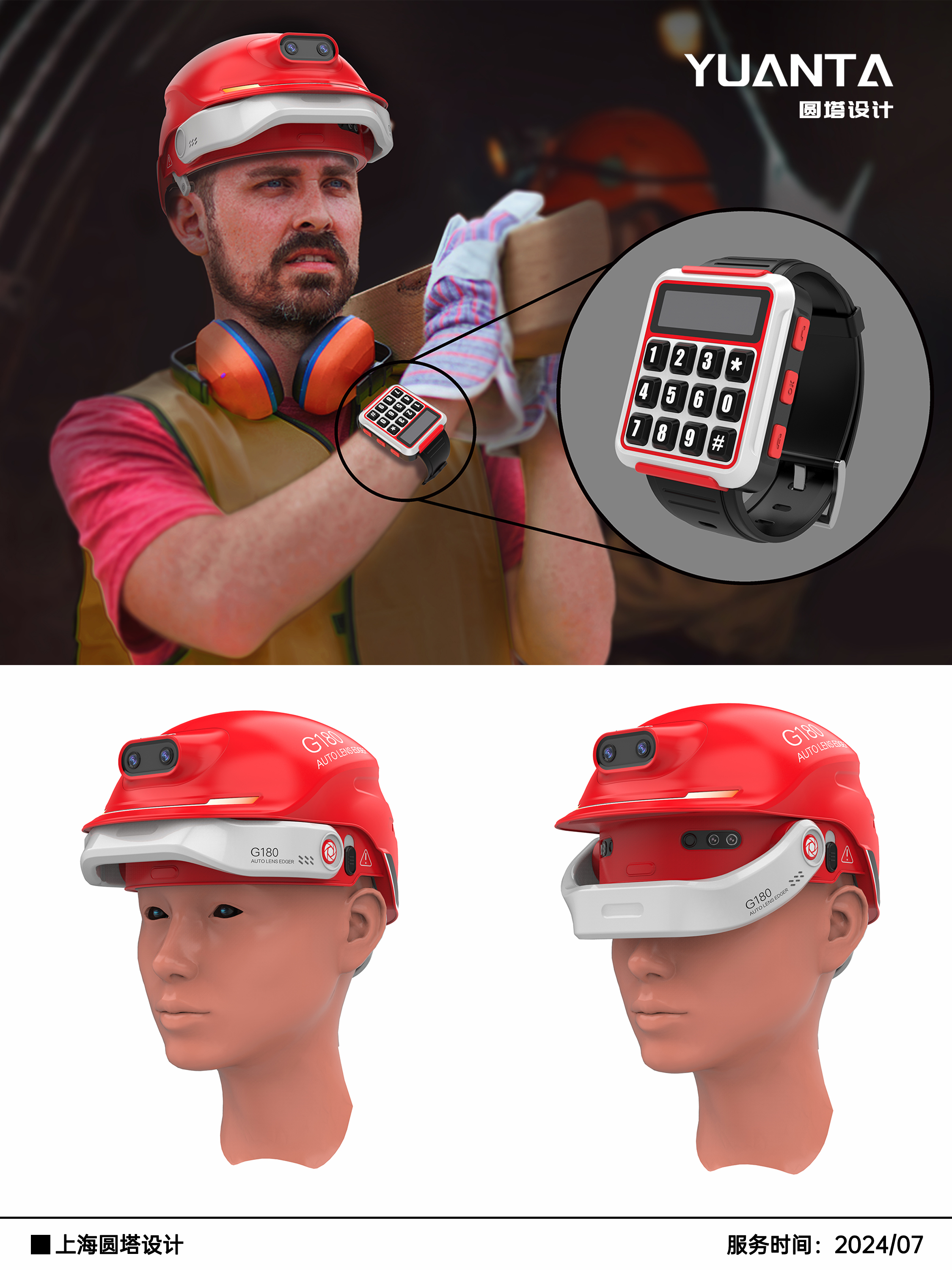
3. Appearance design: on the basis of meeting the functional requirements, consider the appearance of the equipment, so that it has a good visual effect and corporate image, but also in line with ergonomic principles, easy to operate and maintain.
Detailed Design
1. Mechanical structure design
2. Parts design: detailed design of various parts of the equipment, including shape, size, material selection, etc., calculate the strength, stiffness, stability, etc. of the parts to ensure that they can withstand the working load.
3. Connection and fixed design: consider the connection between the parts, as well as the equipment and the foundation of the fixed way to ensure that the connection is firm and reliable, while easy to install and remove.
4. Control scheme formulation: Determine the electrical control scheme according to the function and operation requirements of the equipment.
5. Electrical components selection: select the appropriate electrical components, and electrical circuit design and wiring, to ensure the reliability and safety of the electrical system.
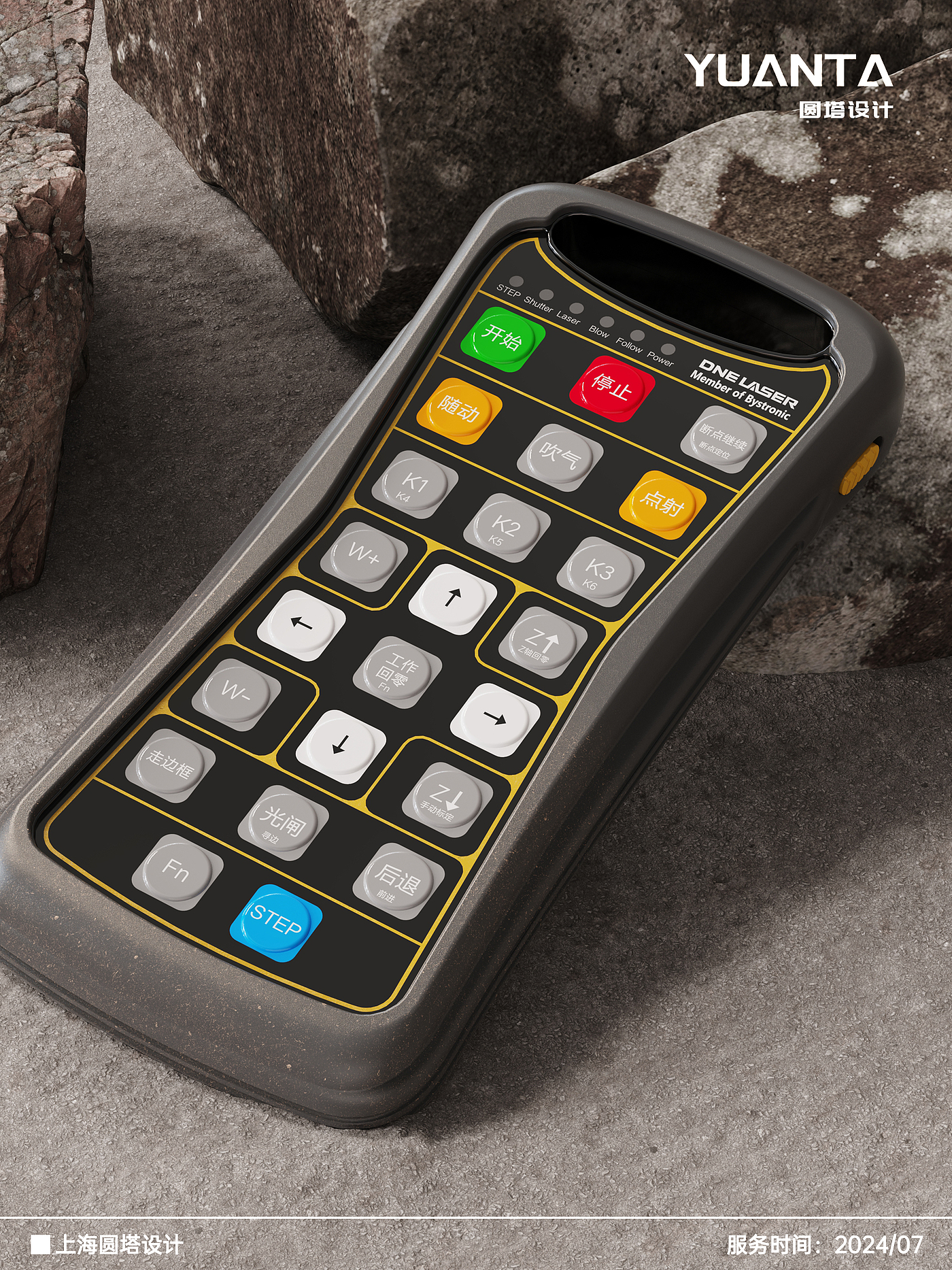
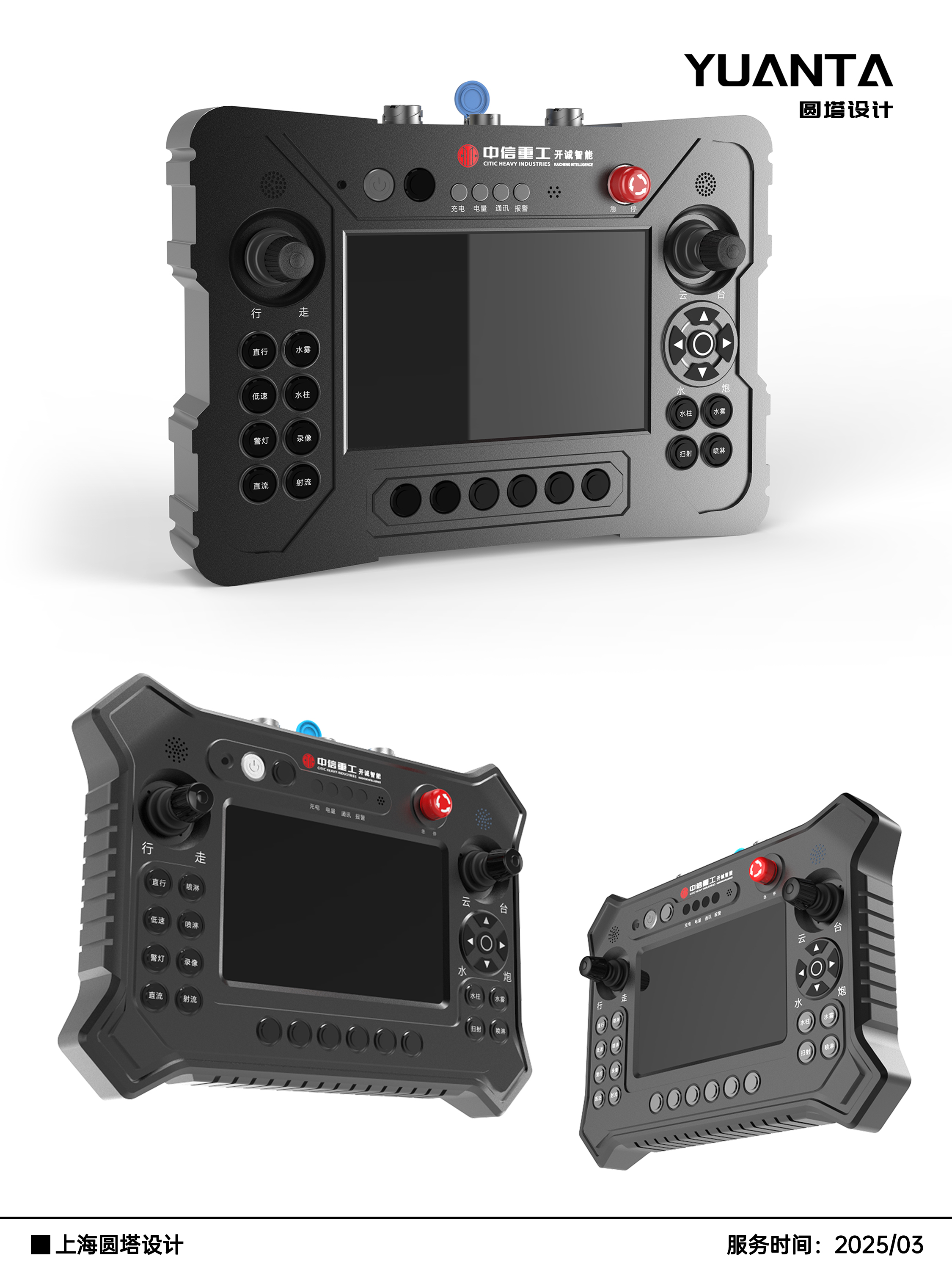
6. Man-machine interface design: Design a man-machine interface that is convenient to operate and monitor, such as operation panel, display screen, etc., to realize the functions of equipment parameter setting, status display, fault alarm, etc.
Manufacturing and Assembly
1. Manufacturing process planning: according to the equipment parts design drawings, develop a reasonable manufacturing process, including processing methods, processing sequence, fixture design, etc., to ensure that parts can be manufactured in accordance with the design requirements.
2. Quality control: In the manufacturing process, establish a strict quality control system to inspect and test raw materials, parts and complete machines to ensure that product quality meets design standards and requirements.
3. Assembly and debugging: Assemble the equipment according to the assembly drawing to ensure that the installation position and connection accuracy of each part meet the requirements. After the assembly is completed, debug and test run the whole machine, and adjust and improve the problems found in time.
Maintenance and Service Design
1. Maintenance design: In the design stage, consider the convenience of equipment maintenance, set up easy-to-access maintenance channels, reasonable maintenance space and easy-to-disassemble parts structure, and provide necessary maintenance tools and equipment.
2. After-sales service design: establish a perfect after-sales service system to ensure the normal operation of the equipment.




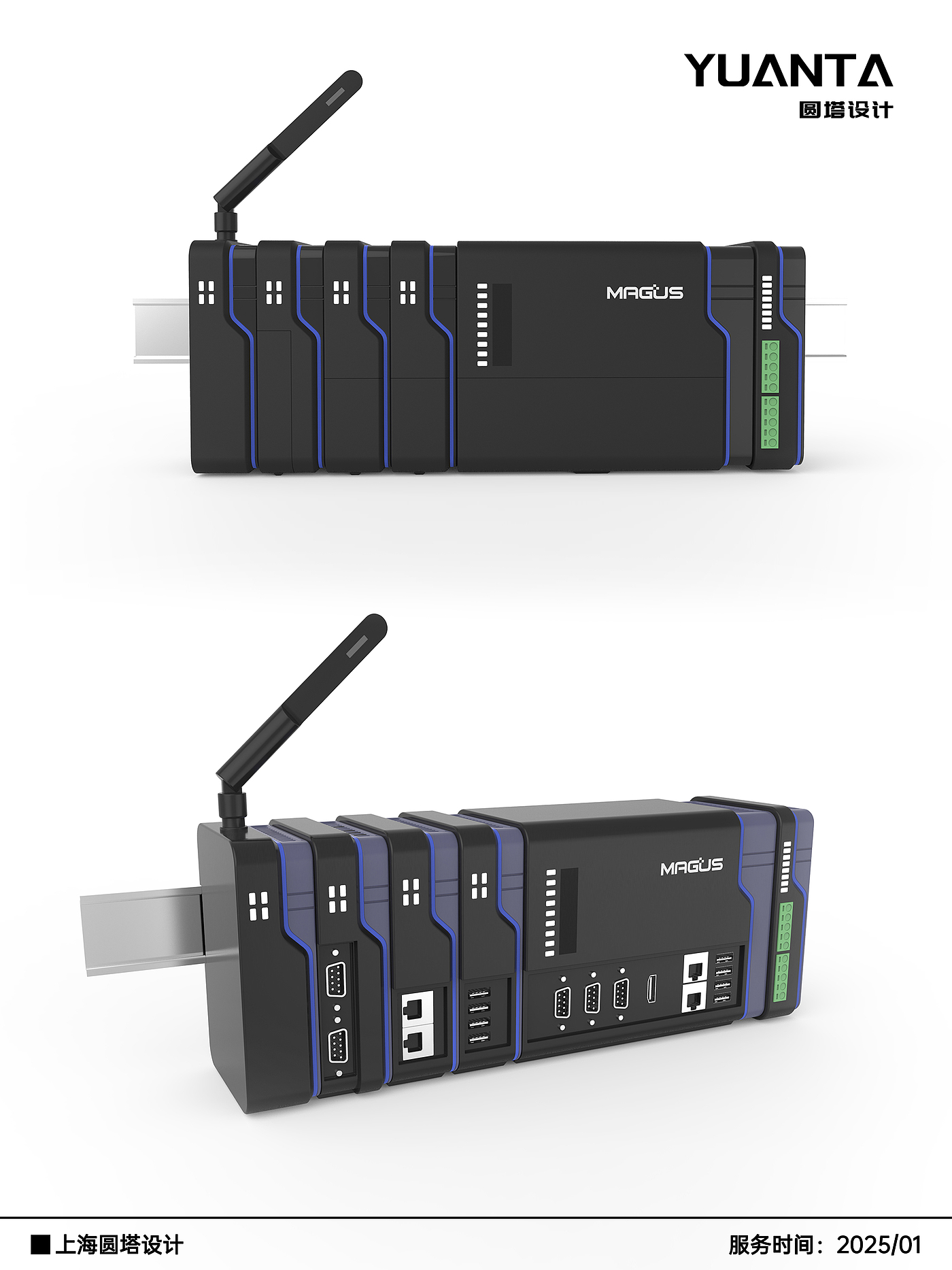
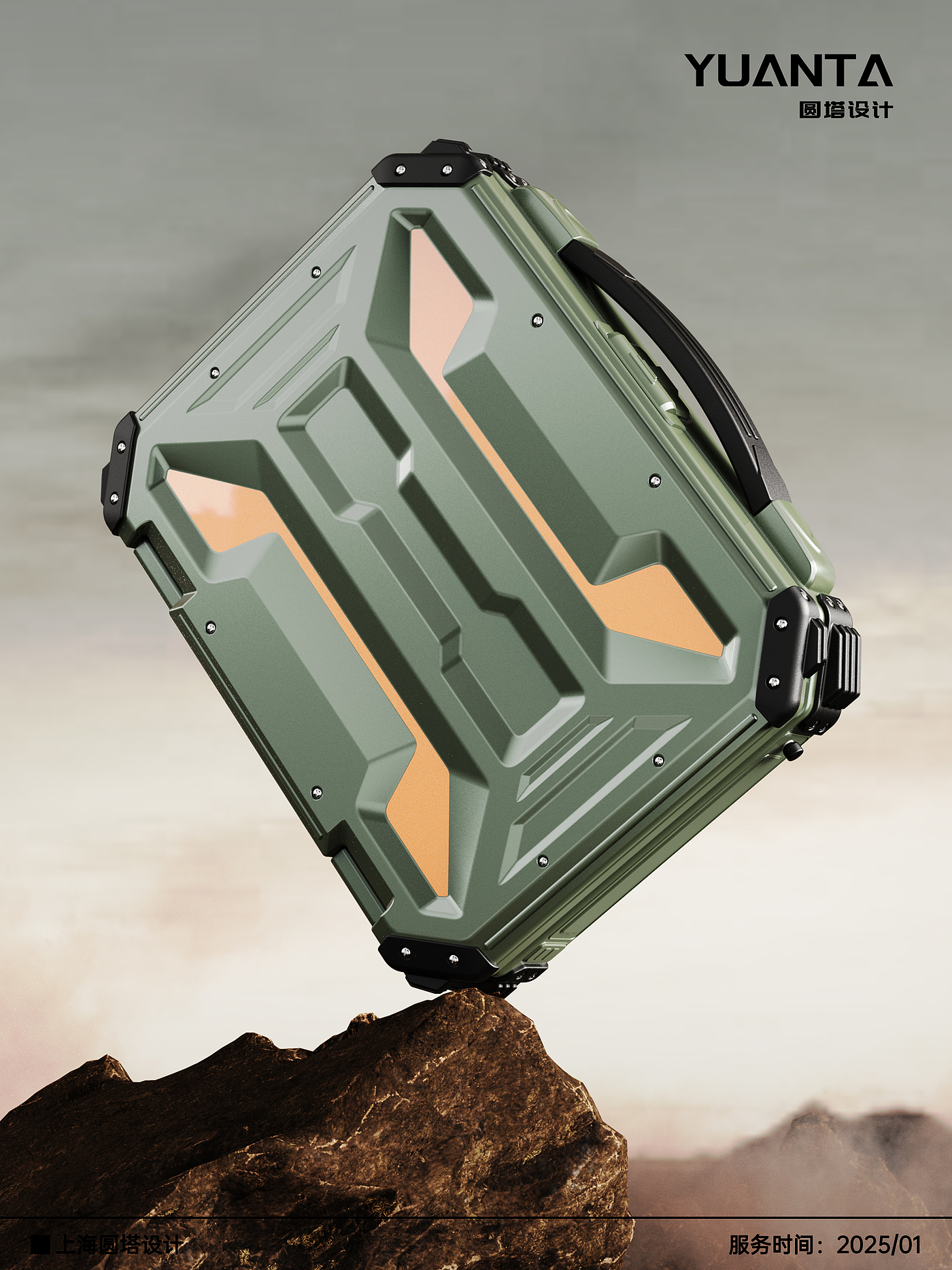
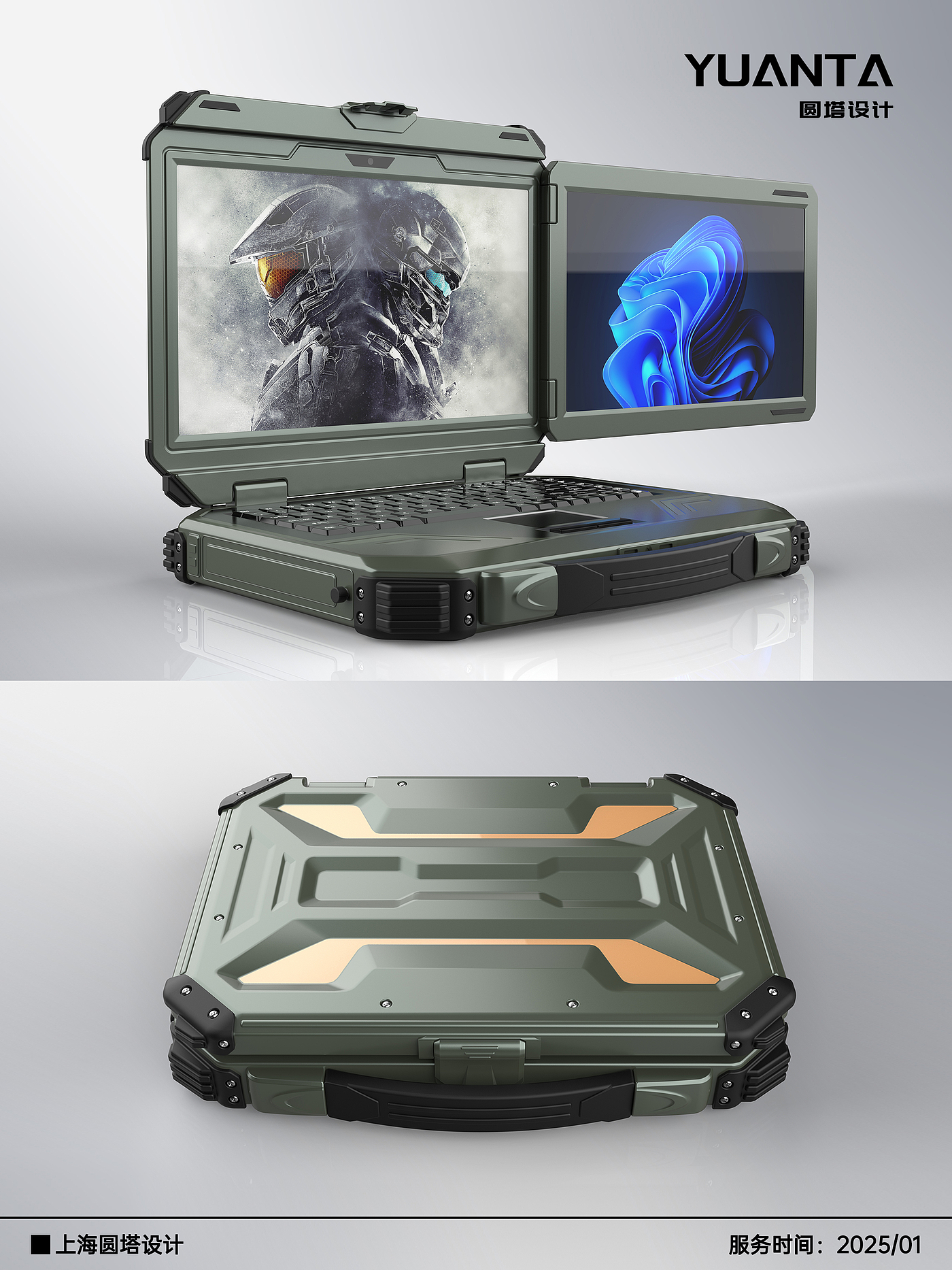
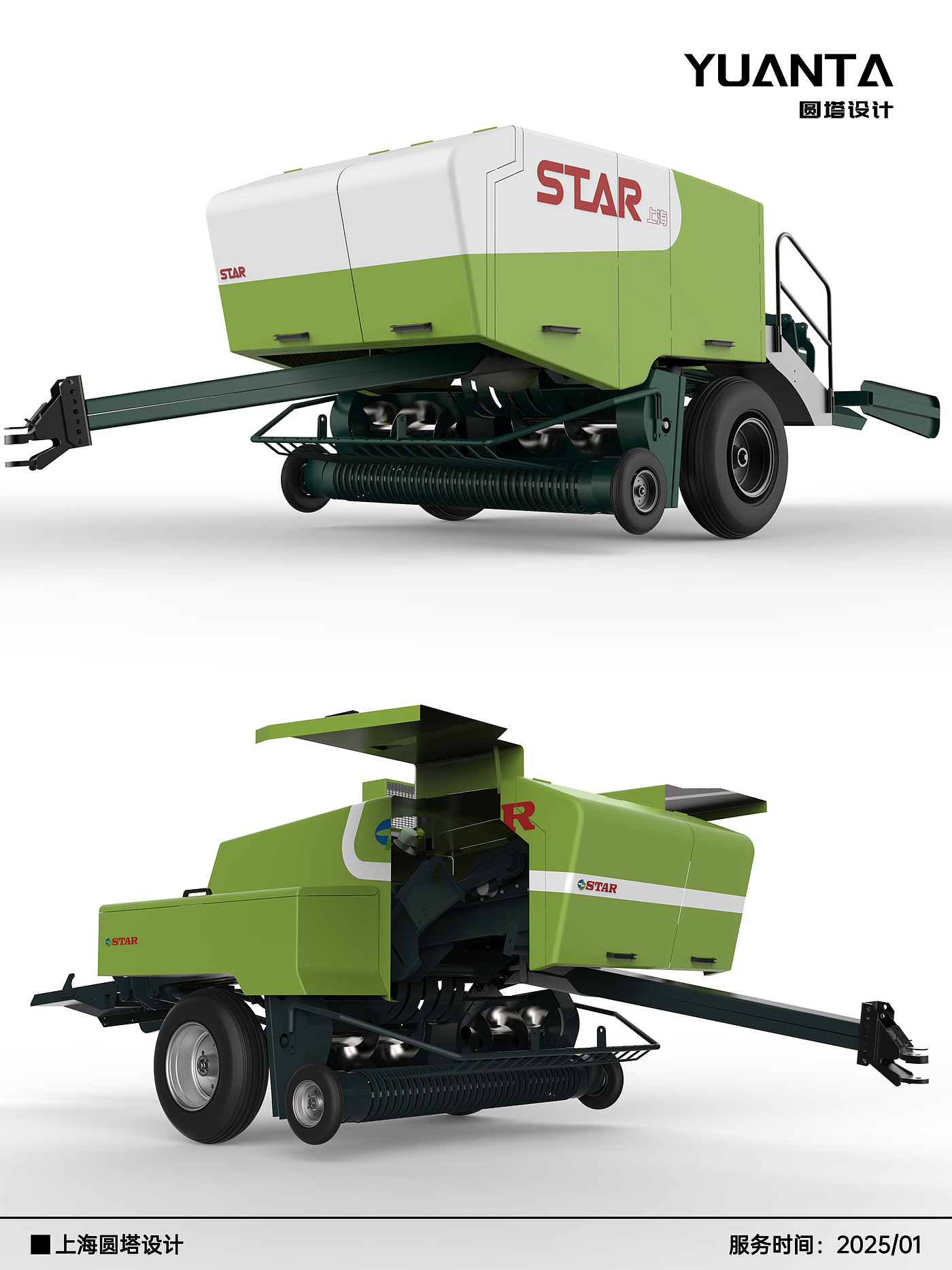













very good
nice