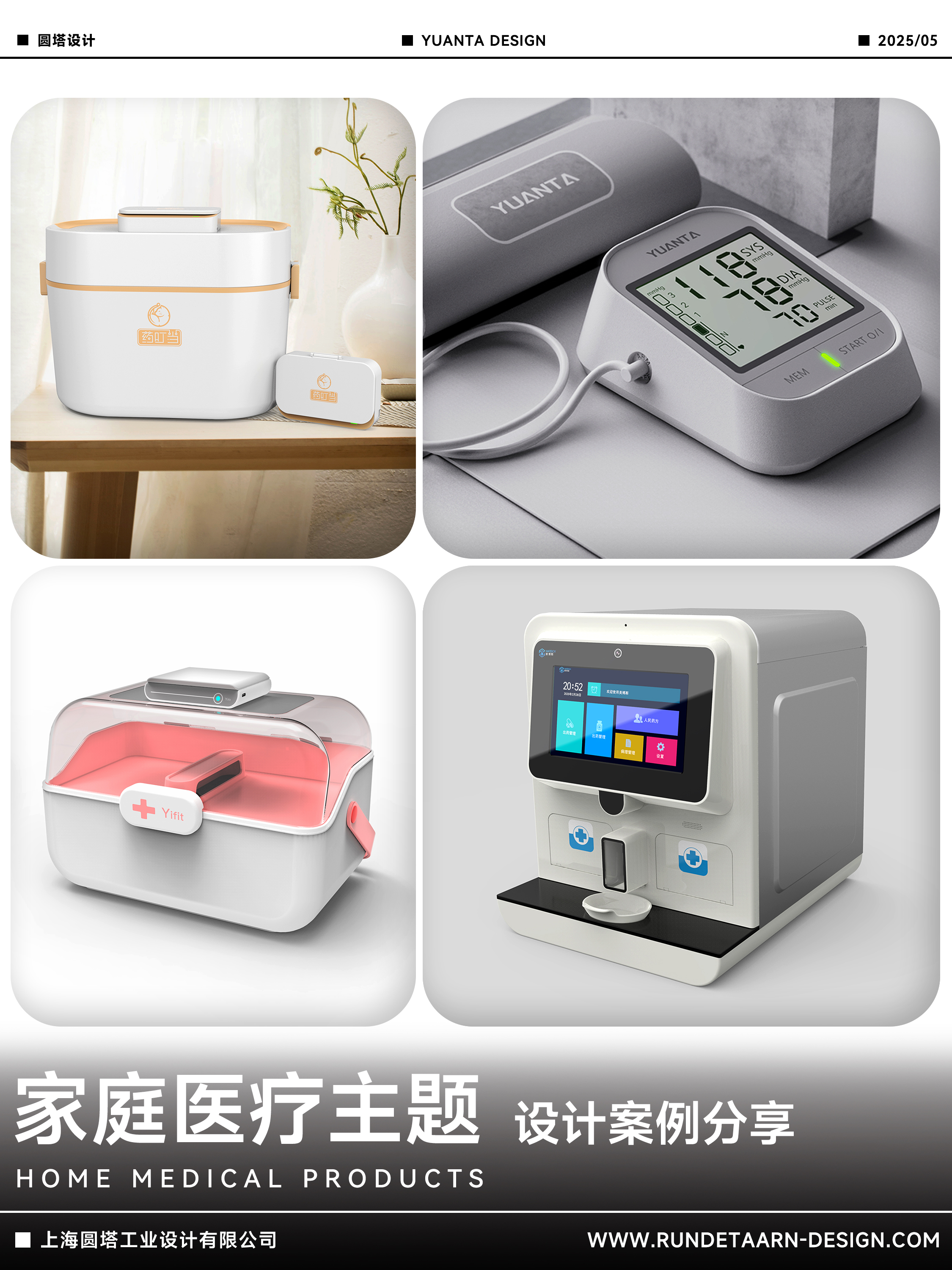
The design of home medical products needs to fully consider user needs, medical functions, ease of use, safety and other aspects. The following are some key design points:
1 User demand research
1. Clear use scenarios: understand the medical needs of different scenarios in the family, such as daily health monitoring, disease treatment, rehabilitation care, etc.
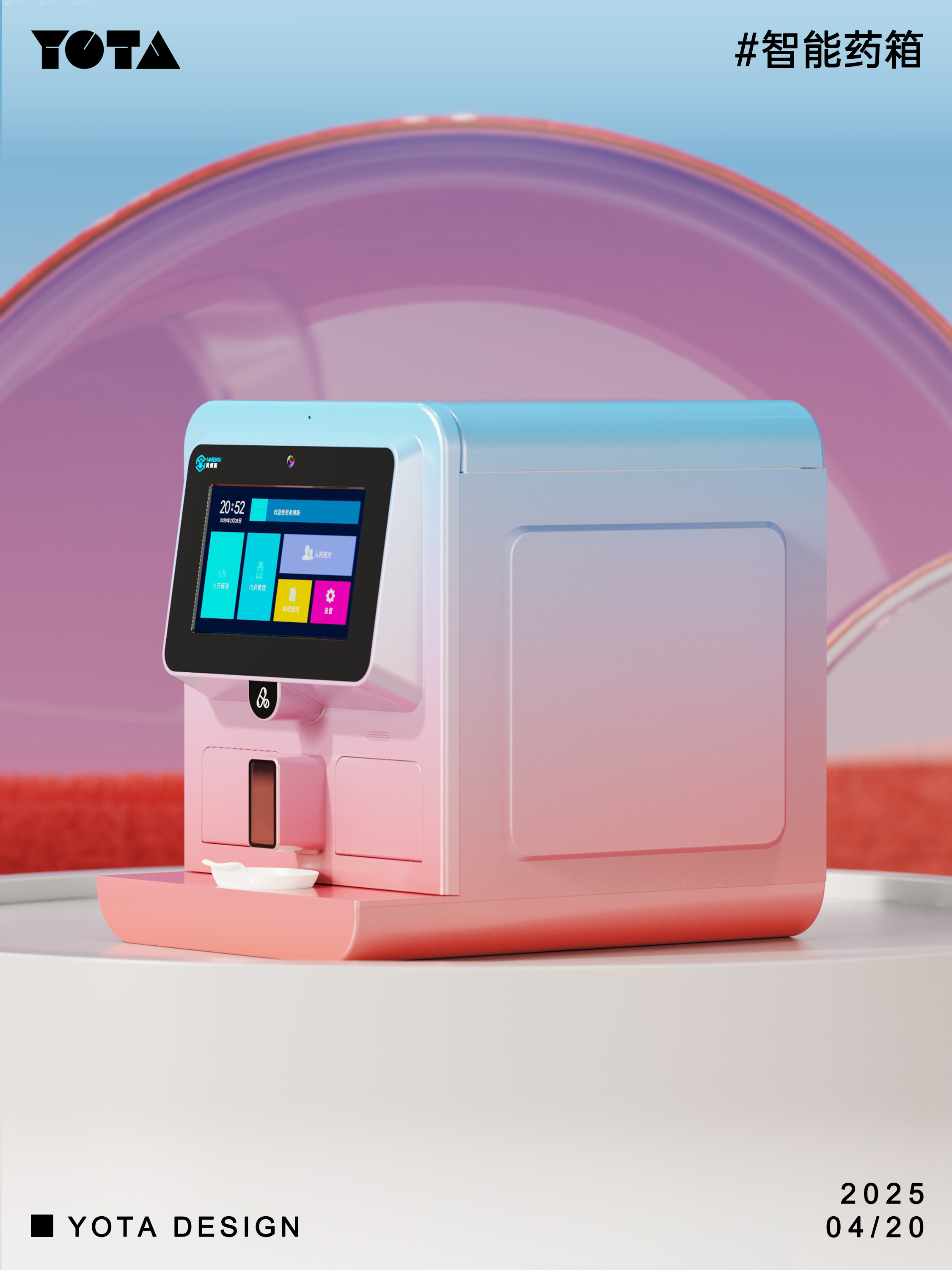
2. Pay attention to user characteristics: analyze the age, physical condition, cultural level and other factors of family users. For example, products designed for the elderly should take into account that they may have problems such as vision, hearing loss, and insufficient hand flexibility. The operation interface should be concise and clear, and the buttons should be large and the touch is obvious.
II. Functional Design
1. Meet medical needs: to ensure that the product has accurate and effective medical functions. Such as the design of a family with a blood glucose meter, to ensure the accuracy of blood glucose measurement, can provide reliable data for diabetic patients, so that they can adjust the diet and treatment plan.
2. Integration and simplification: on the basis of meeting the core medical functions, some related functions can be considered to be integrated, and the function is too complicated.
Three. Design for ease of use
1. Simple operation: design a simple and intuitive operation process to reduce the user's learning cost.
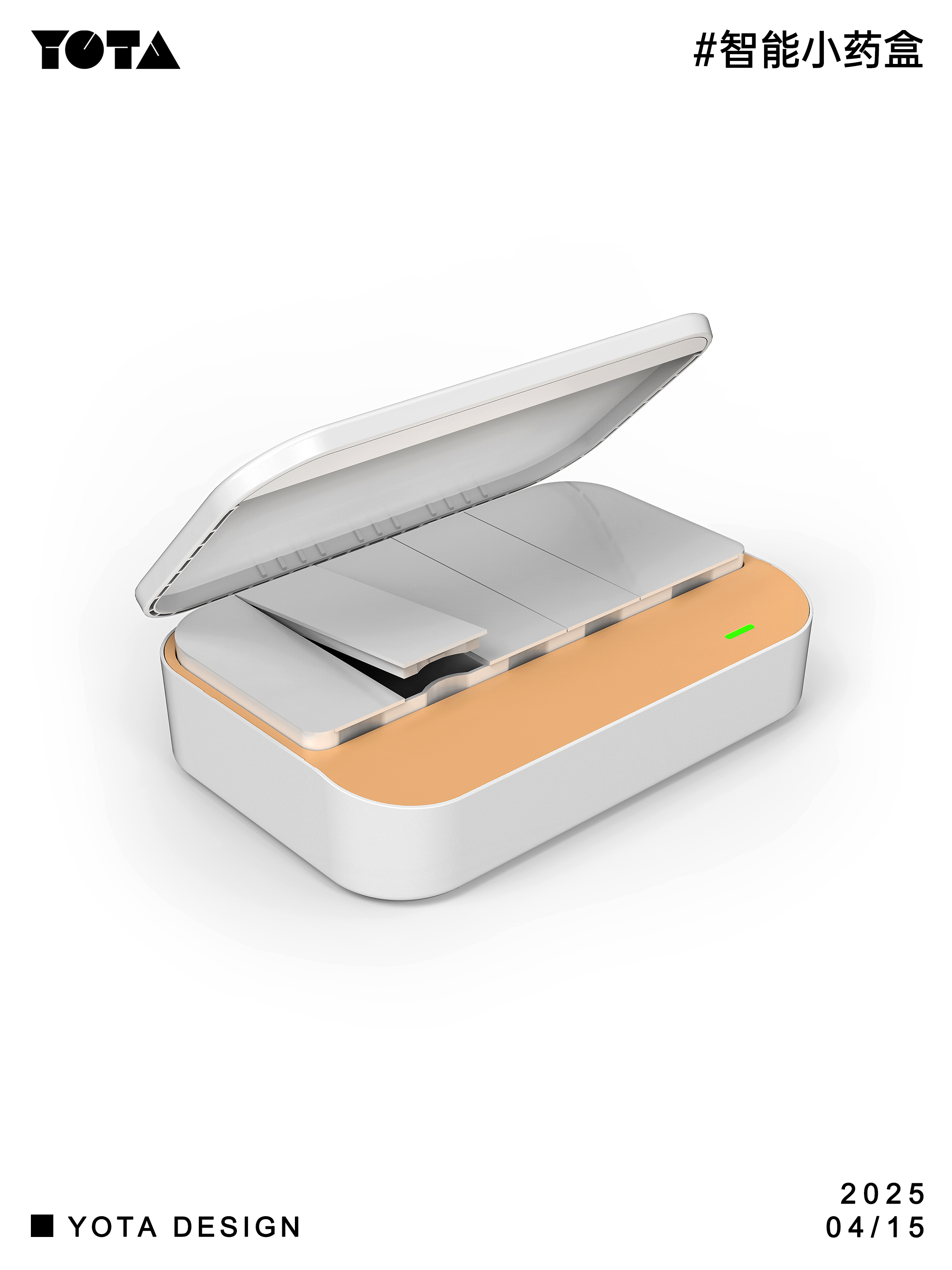
2. Clear feedback: The product should be able to give clear feedback to the user in time, such as informing the user whether the operation is successful and whether the measurement result is normal through sound, light or screen display.
4 Safety Design
1. Electrical safety: For home medical products involving electronic components, it is necessary to ensure good electrical insulation performance to prevent users from electric shock. Anti-misoperation: design a reasonable protection mechanism to avoid user safety problems caused by misoperation. For example, some medical products with heating function should be provided with overheating protection device to prevent users from scalding.
Five. Appearance and humanized design
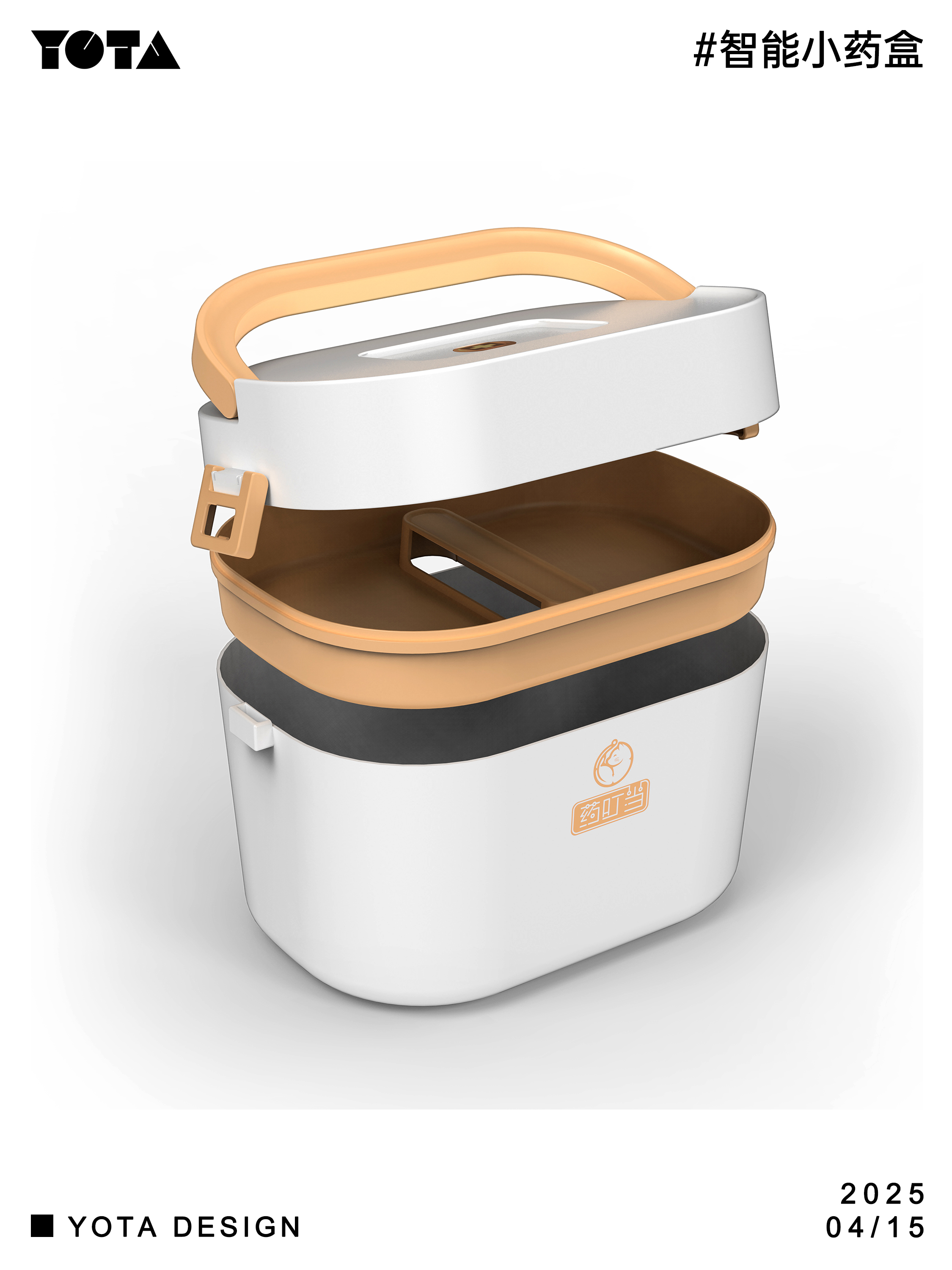
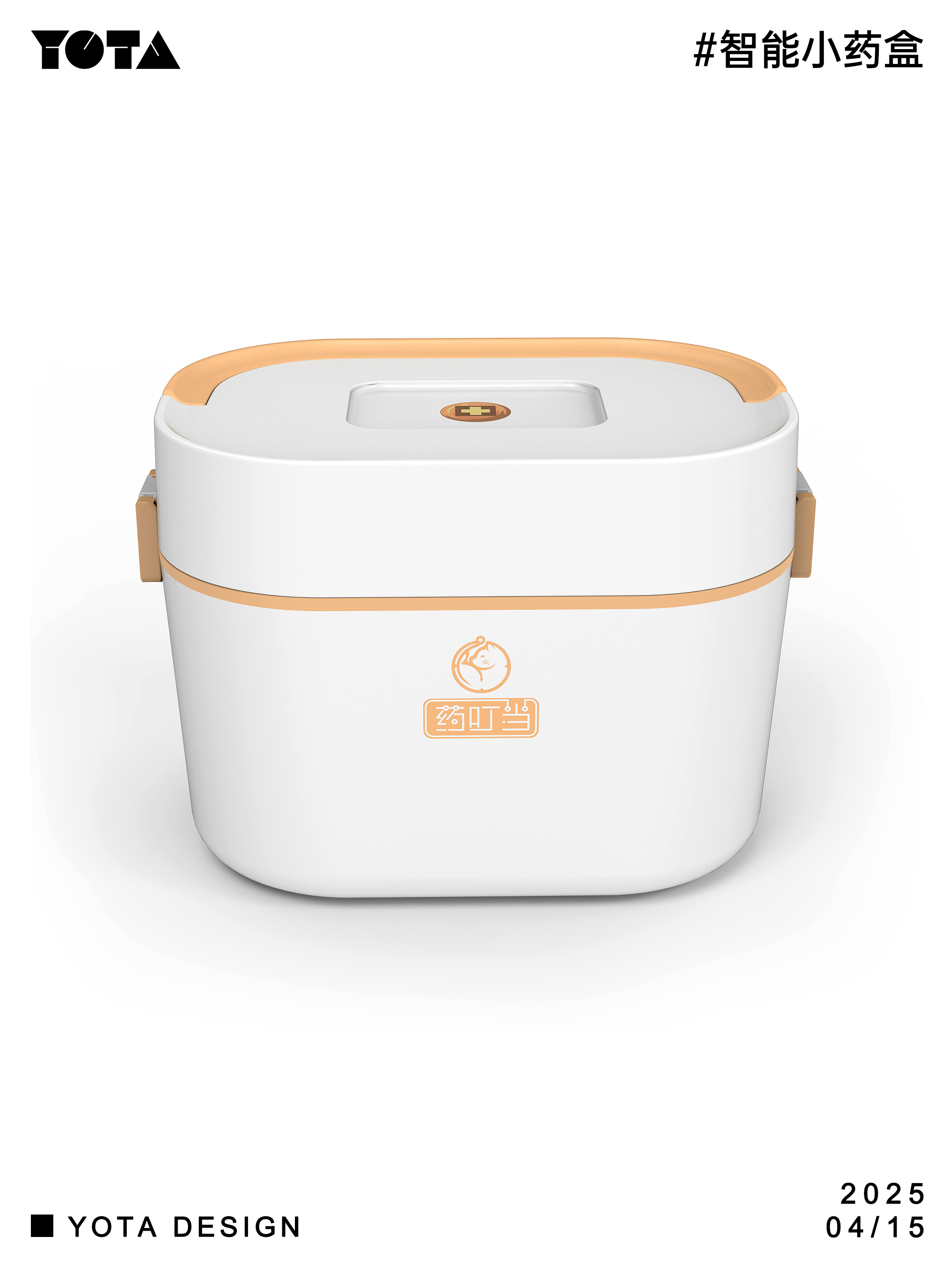
1. Beautiful and comfortable: the appearance of the product should be in line with the atmosphere of the family environment, with soft colors and round shapes, giving people a warm and comfortable feeling. For example, a household atomizer can be designed as a cartoon image to make children feel cordial and reduce fear.
2. Humanized details: pay attention to the detailed design of the product and improve the user experience. For example, the handle part of the medical product can be designed to be non-slip, which is convenient for the user to hold; the corners of the product should be designed to be rounded to avoid knocking the user.
VI. Data management and connectivity
1. Data storage and analysis: With data storage function, it is convenient for users to view historical data and analyze the data simply. For example, the intelligent weighing scale can record the weight data of the user every time, and generate the weight change curve, so that the user can intuitively understand his weight trend.
2. Connection function: Consider designing the connection function between the product and mobile phone APP or other smart devices to realize remote monitoring and data sharing.
When designing home medical products, we should fully consider the special needs and use environment of home users, and organically combine medical professionalism with the ease of use, safety, and aesthetics of the products to provide better medical services and user experience.














6666
it's okay
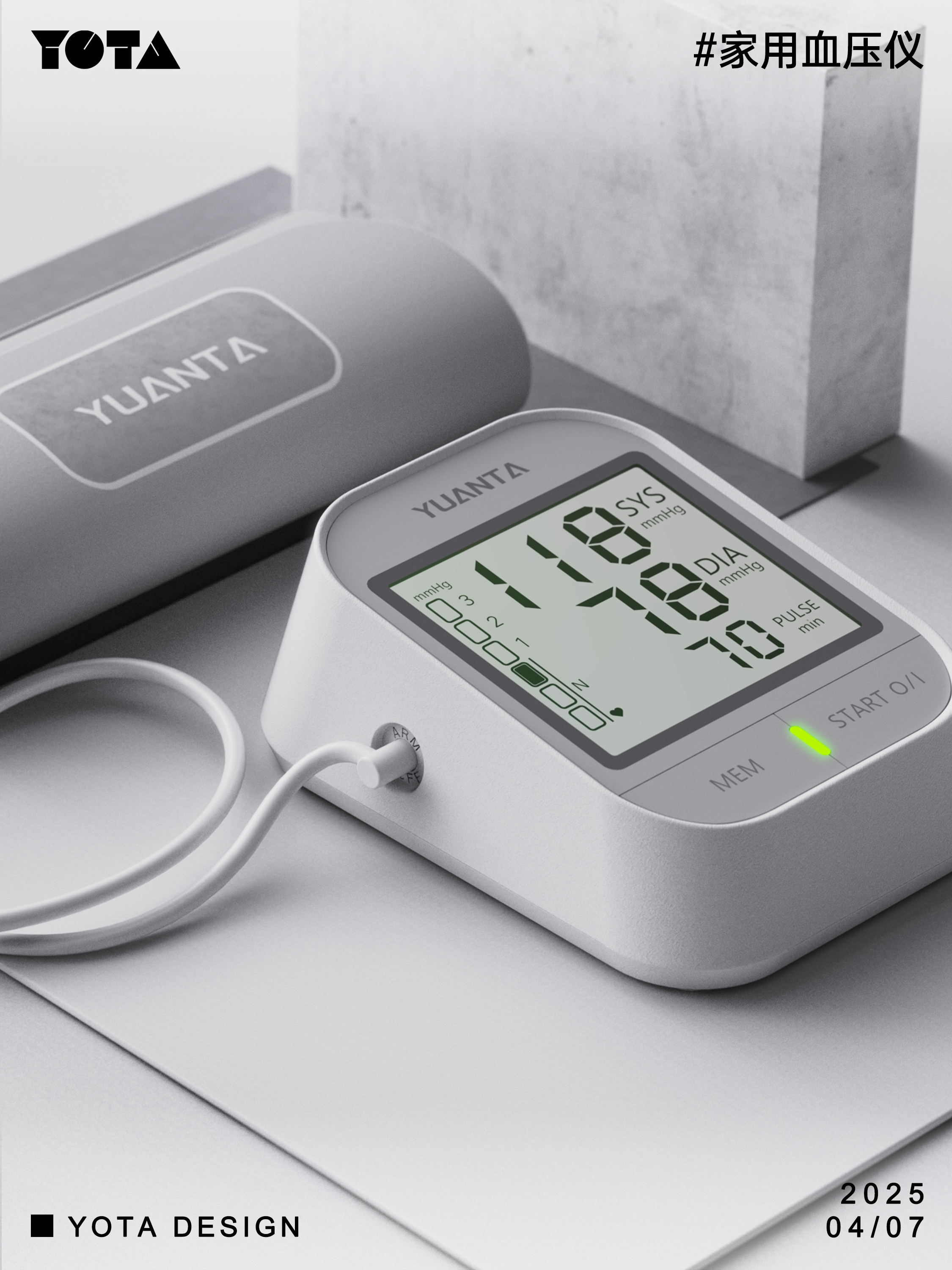
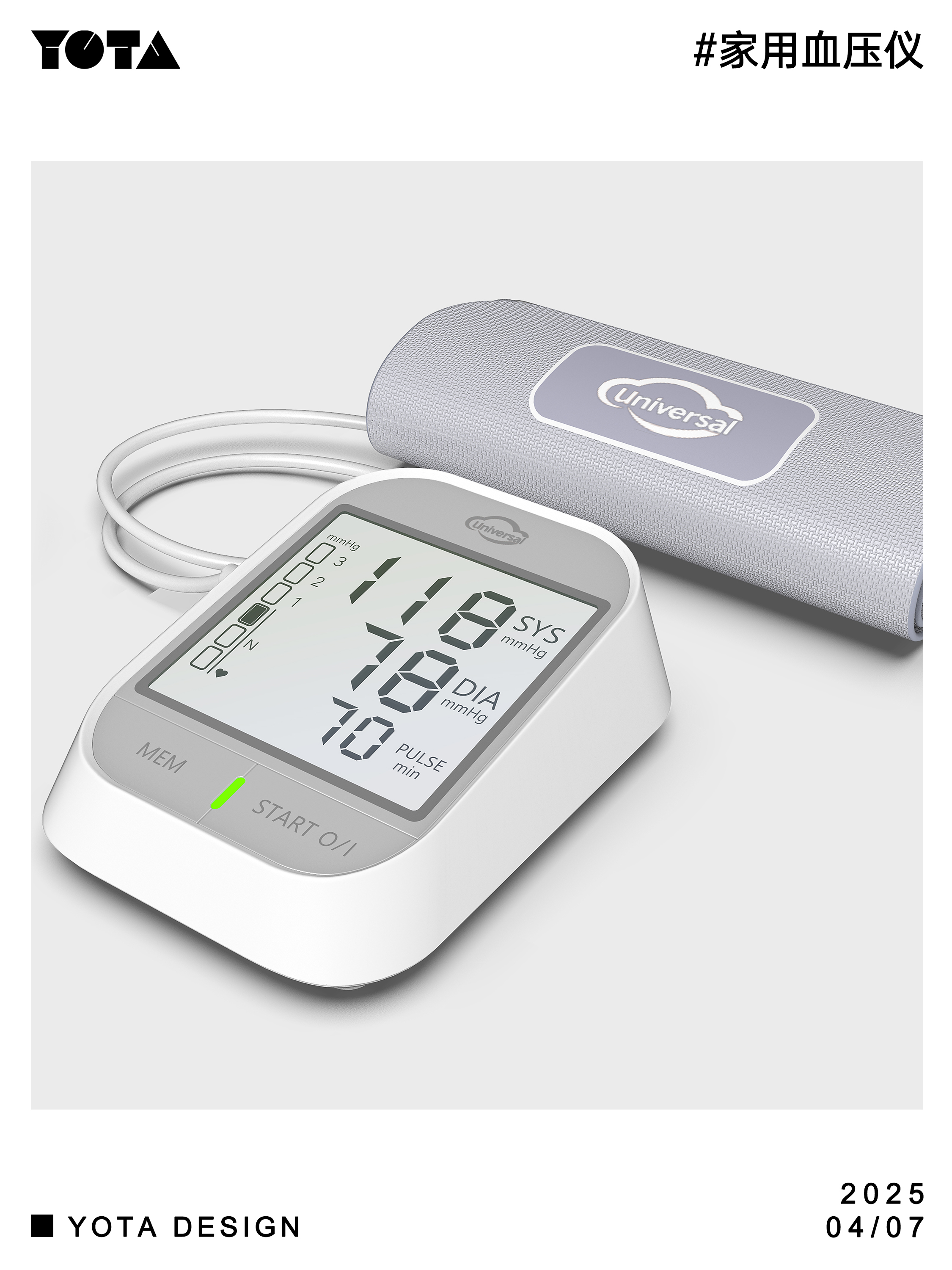
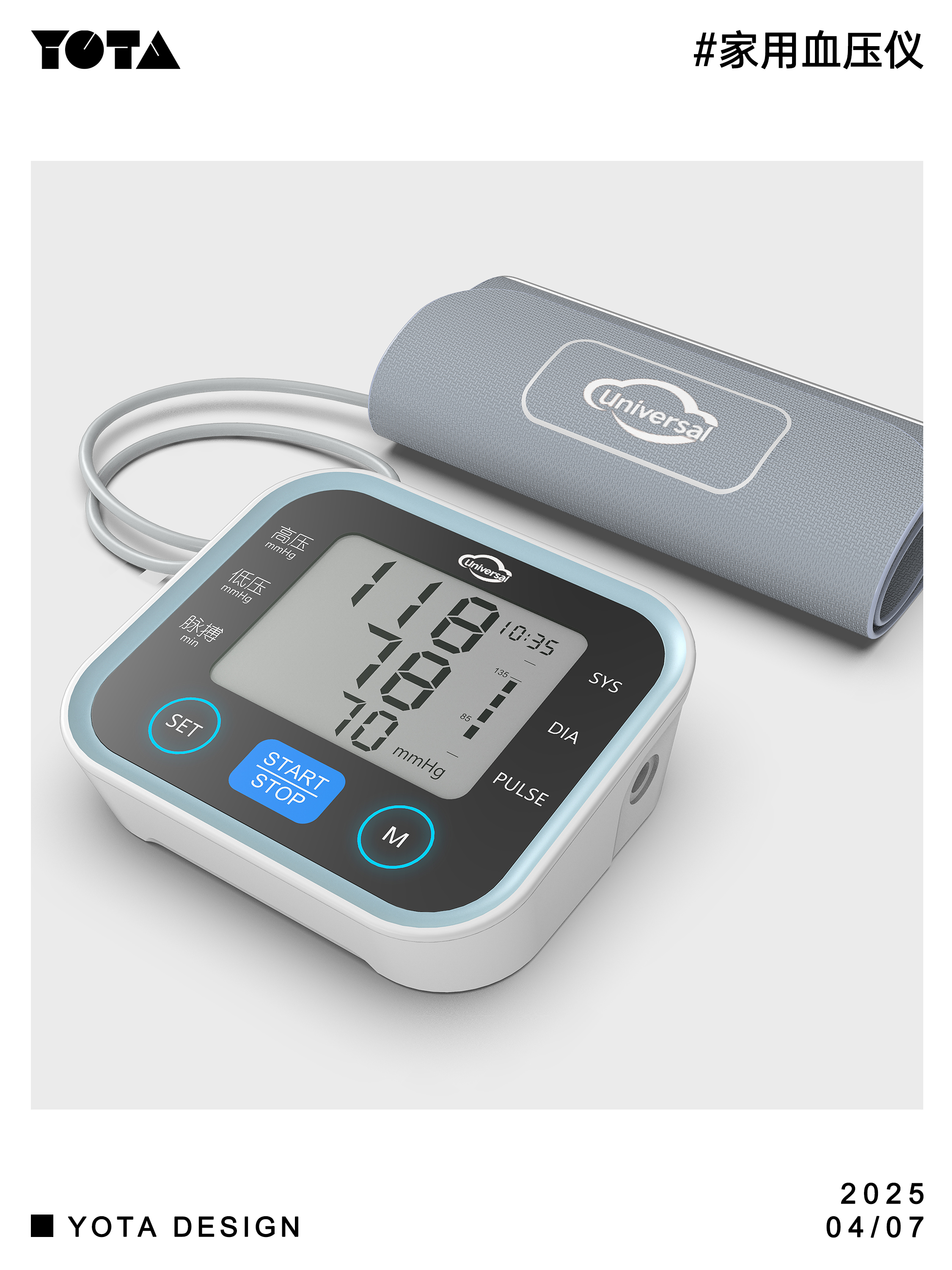
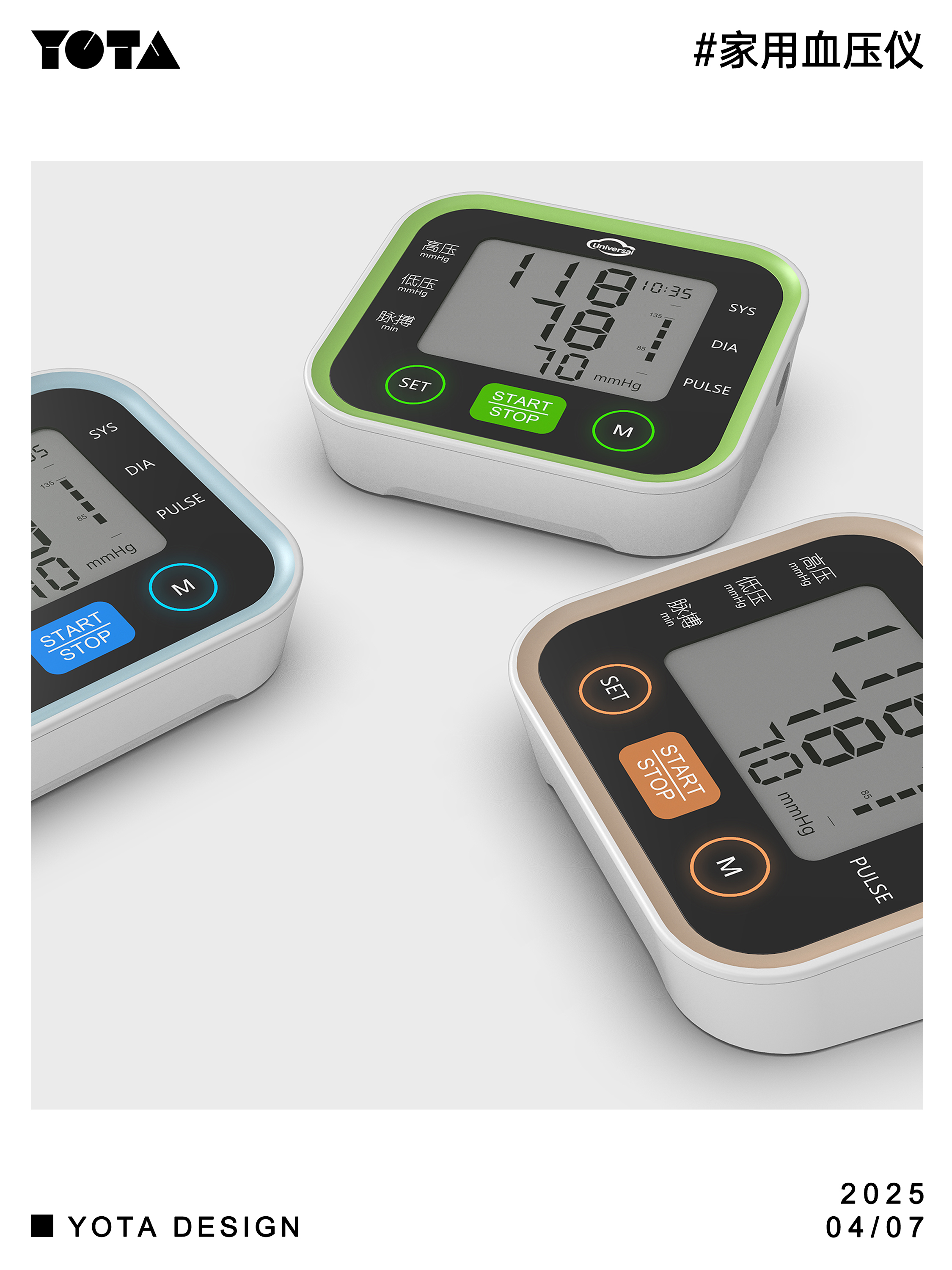
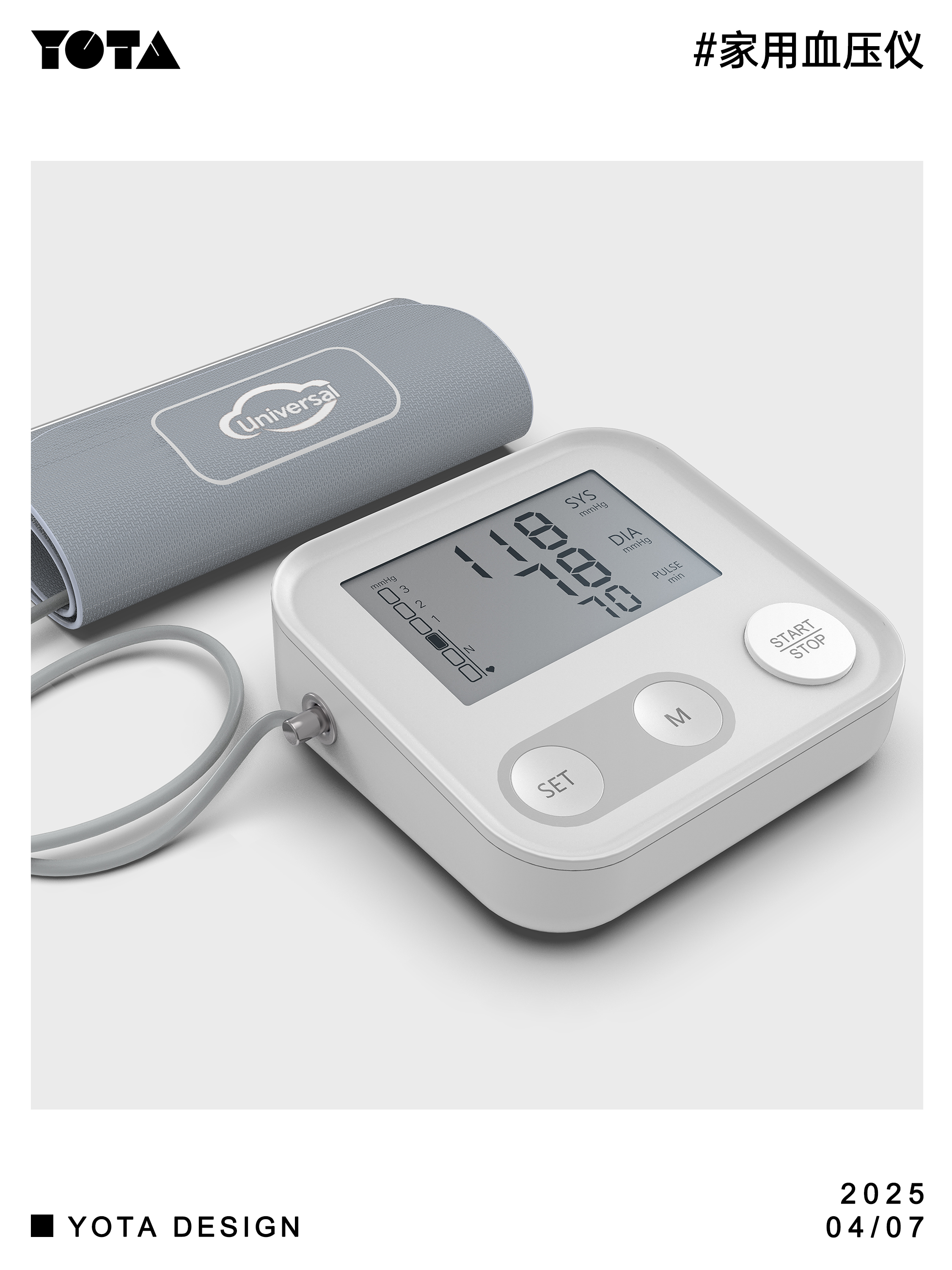
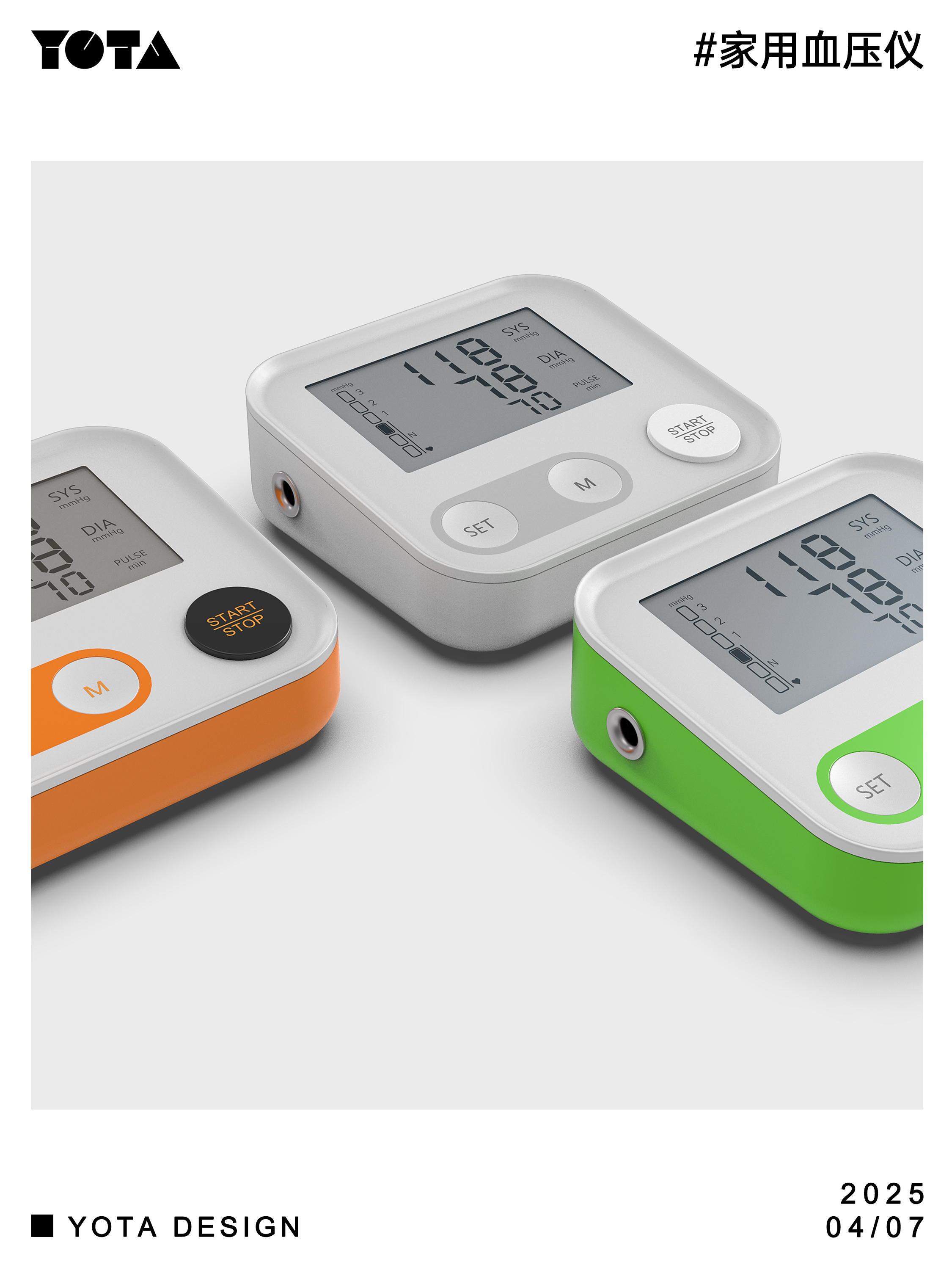
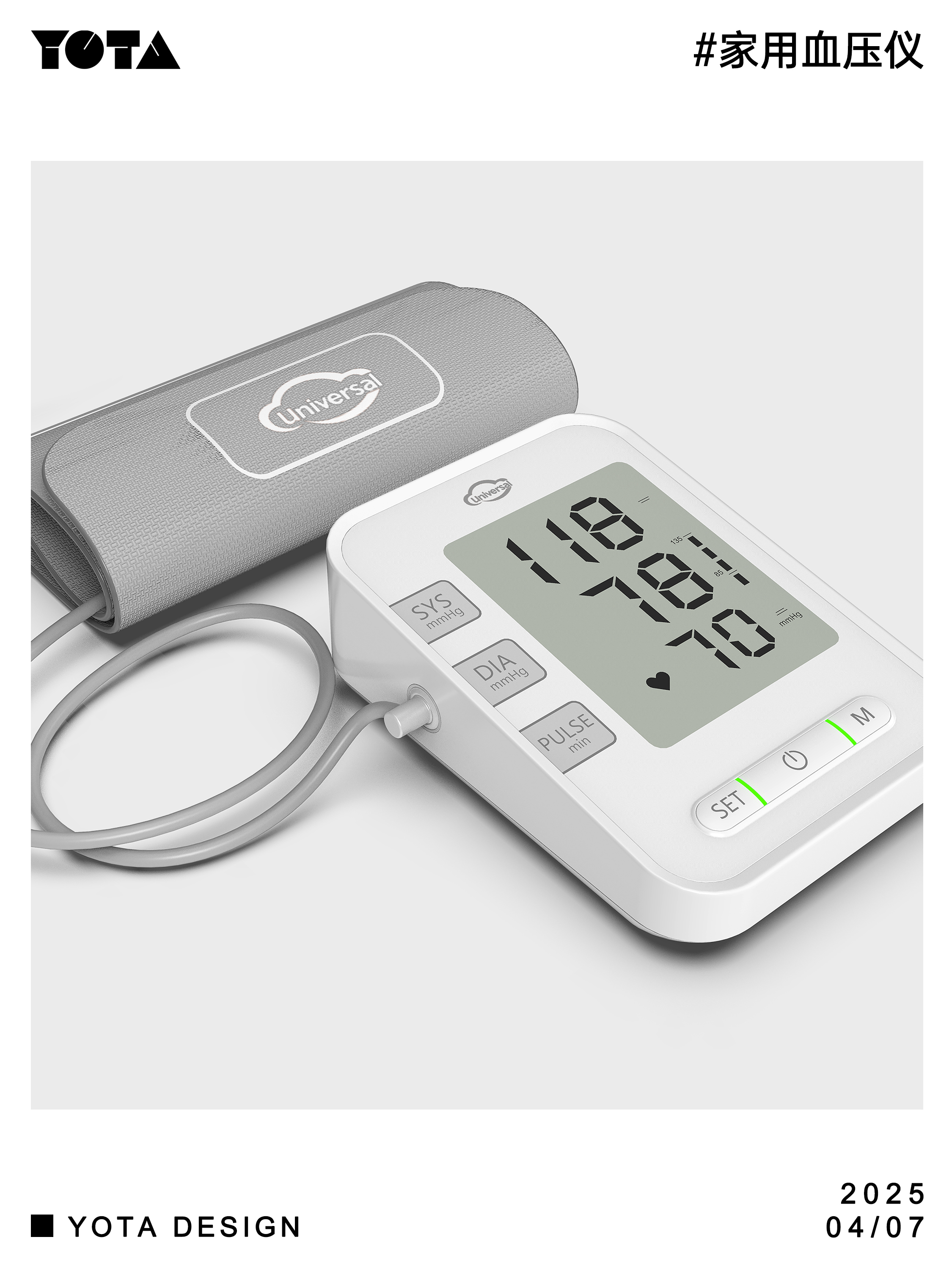
good sphygmomanometer