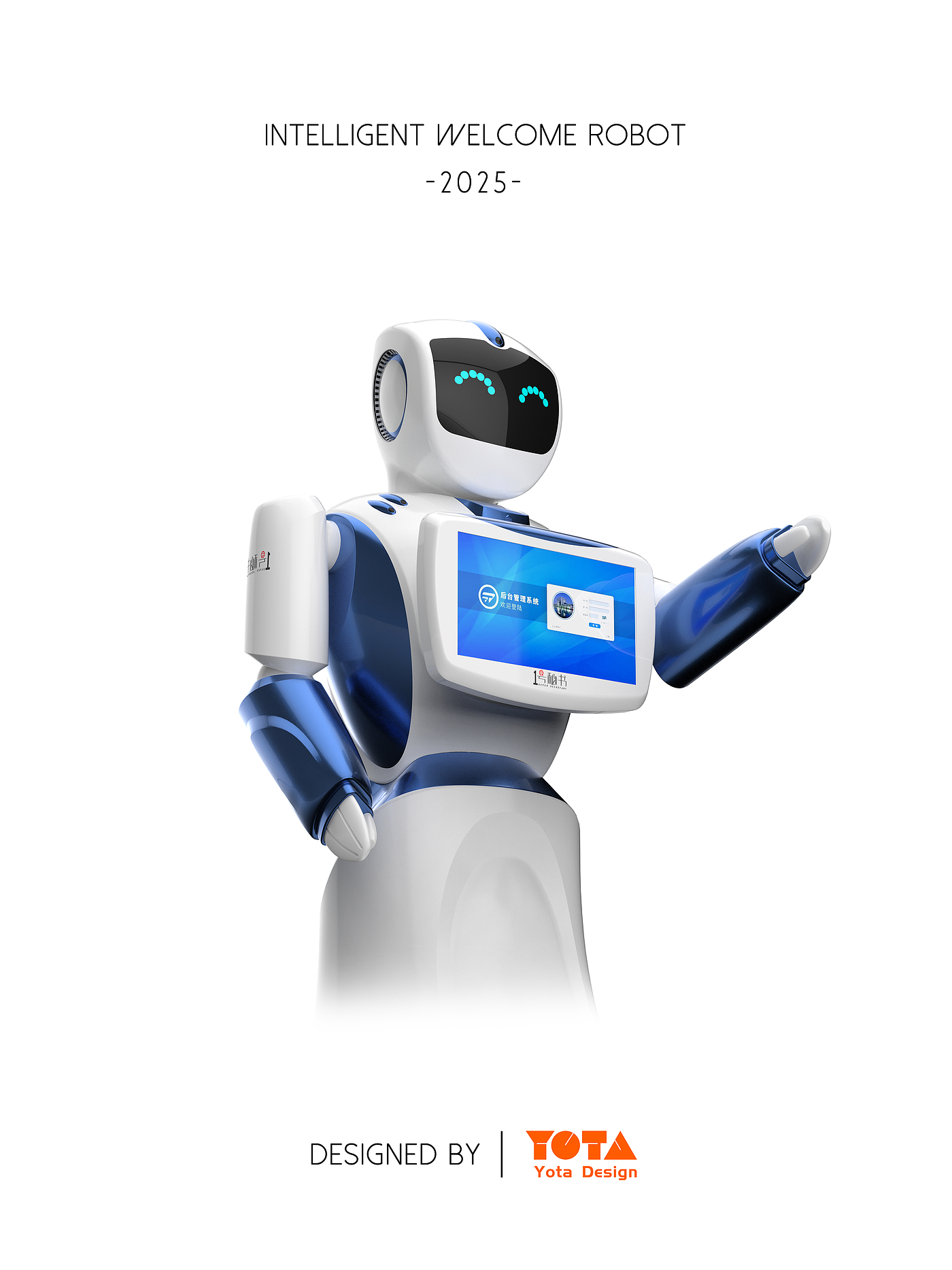
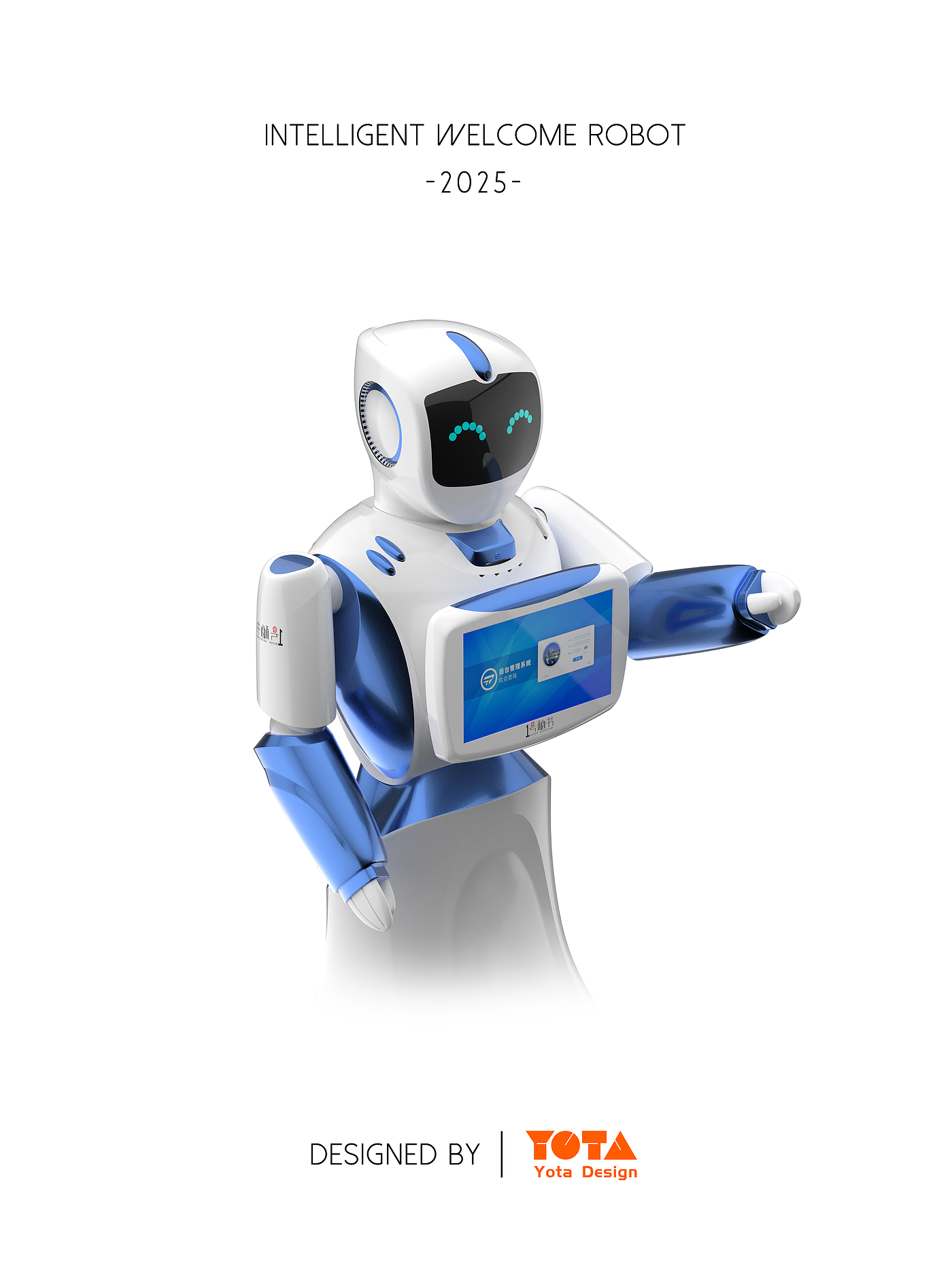
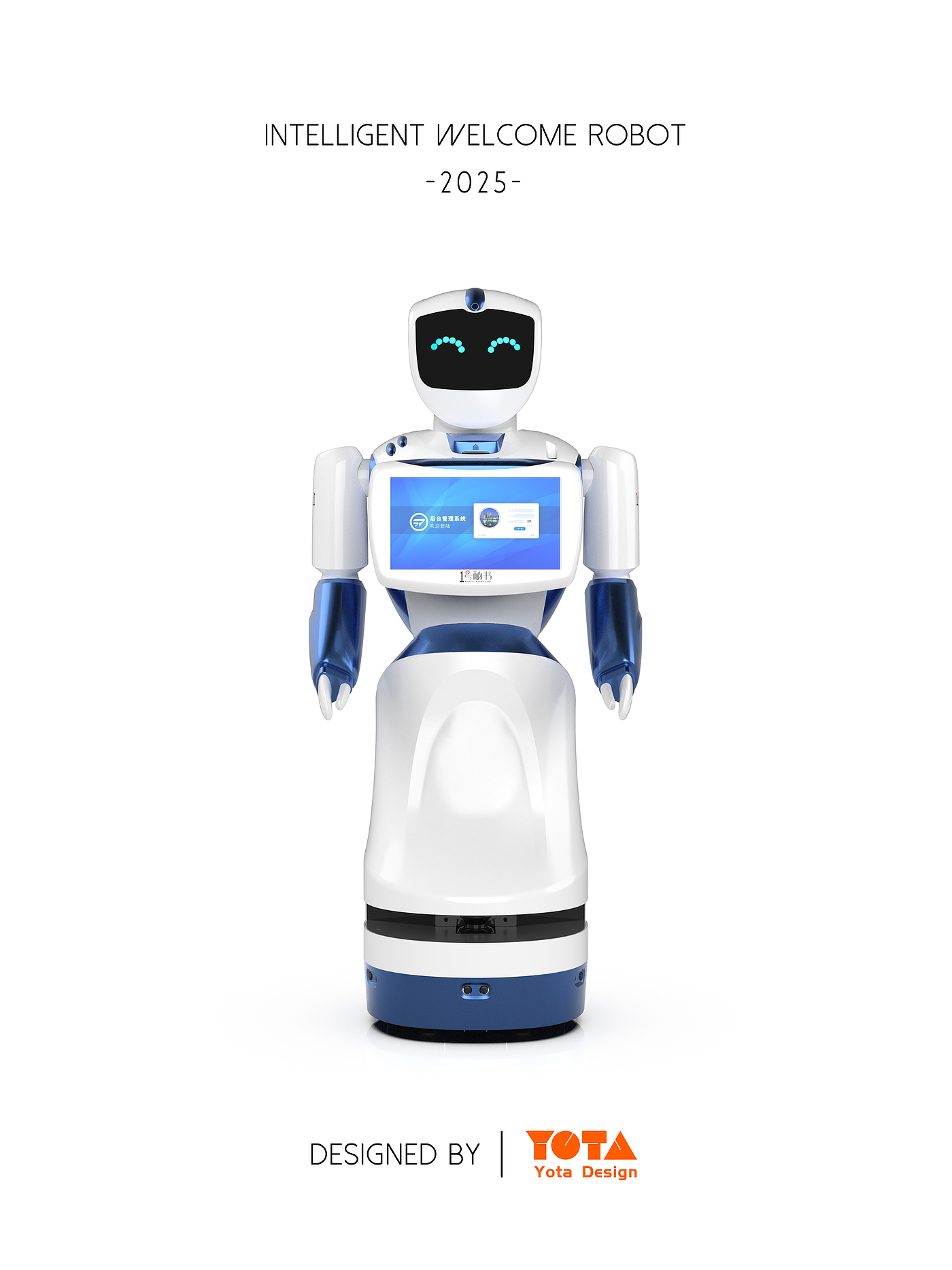
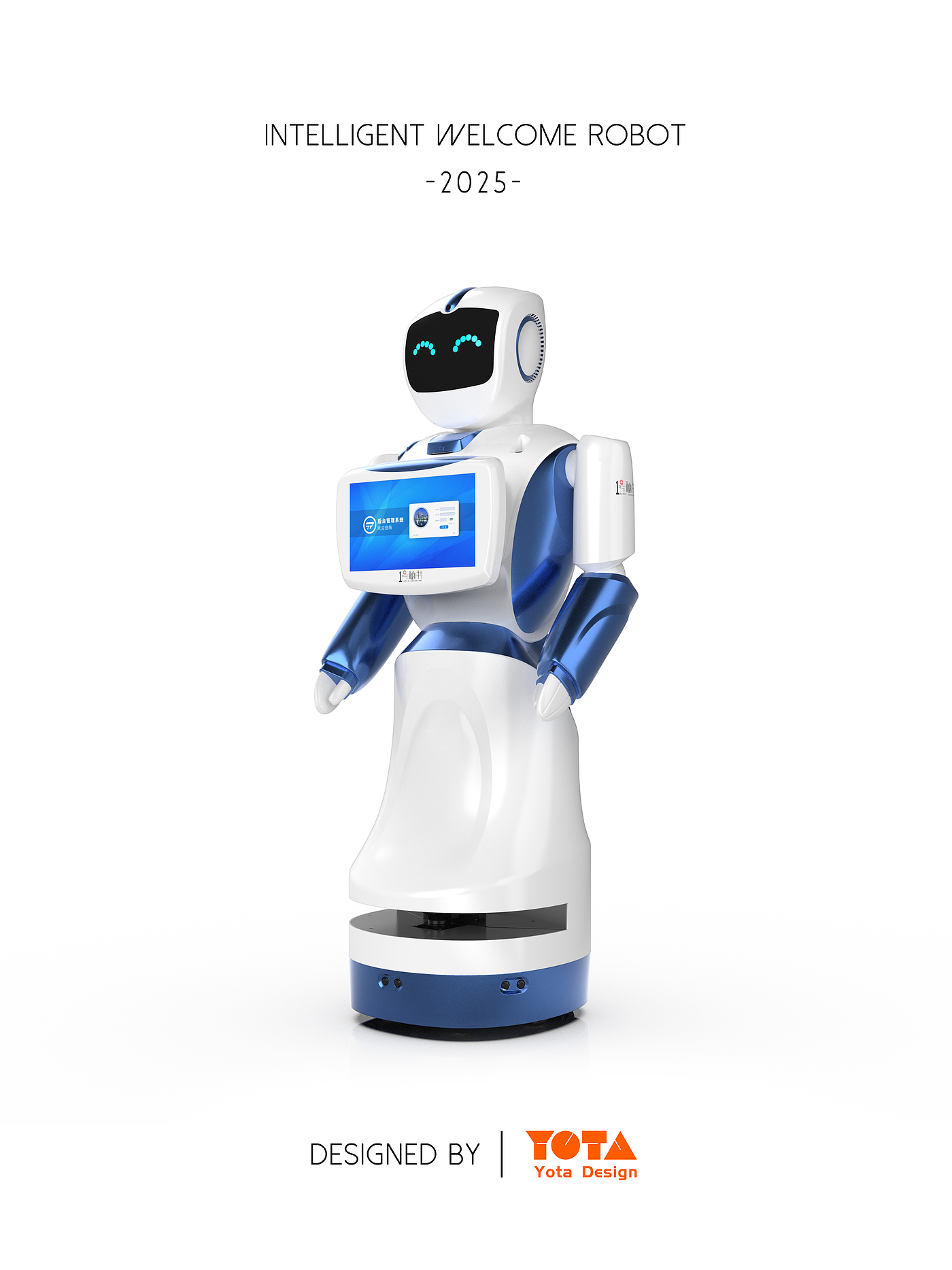
The design of this intelligent welcome robot combines multi-dimensions such as scene requirements, hardware selection, software algorithm, user experience and safety compliance, and finally realizes the core goal of "welcome greeting, guidance service, information interaction and scene adaptation. The following is the detailed design framework:
1. clear core scenarios and requirements positioning
1. Commercial places: shopping malls, office buildings and exhibitions (core requirements: passenger flow guidance, shop/booth inquiry, promotion information push);
2. Service scenarios: hotels, banks, government affairs halls (core requirements: identity verification, business guidelines, queuing and calling, basic consultation);
3. Special scenes: hospital (silent, barrier-free design), airport (multilingual, cross-regional navigation).
2. hardware design
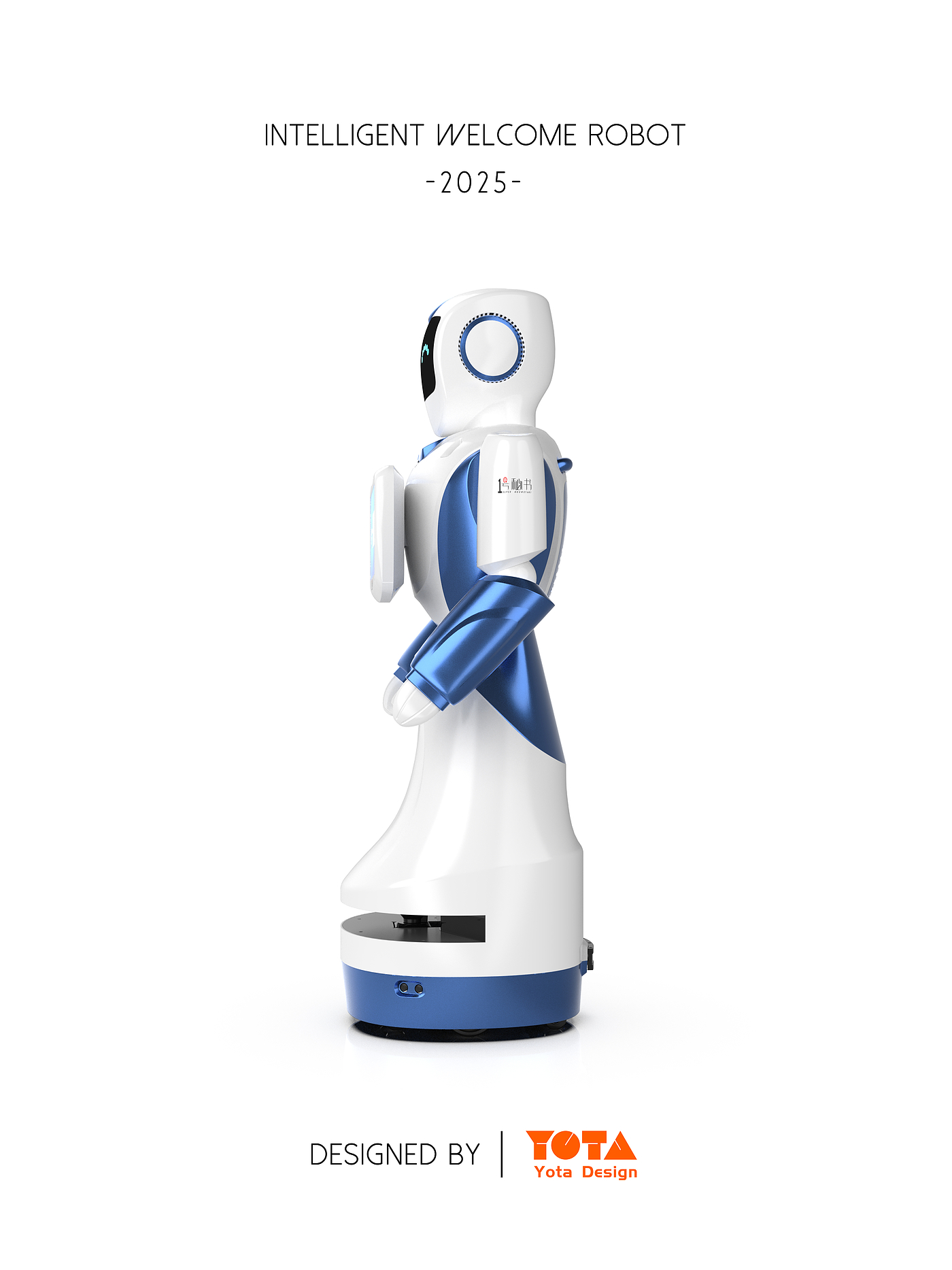
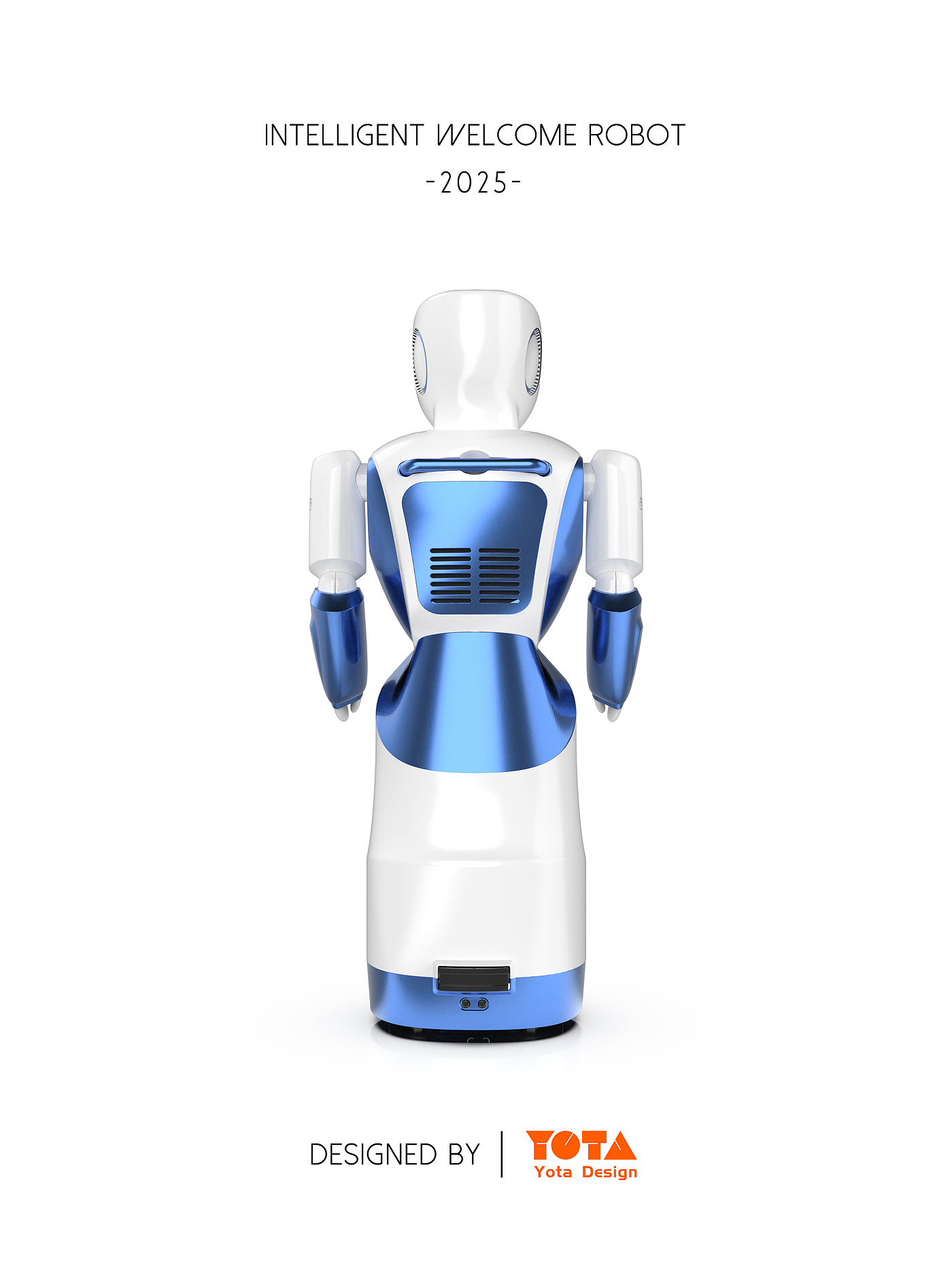
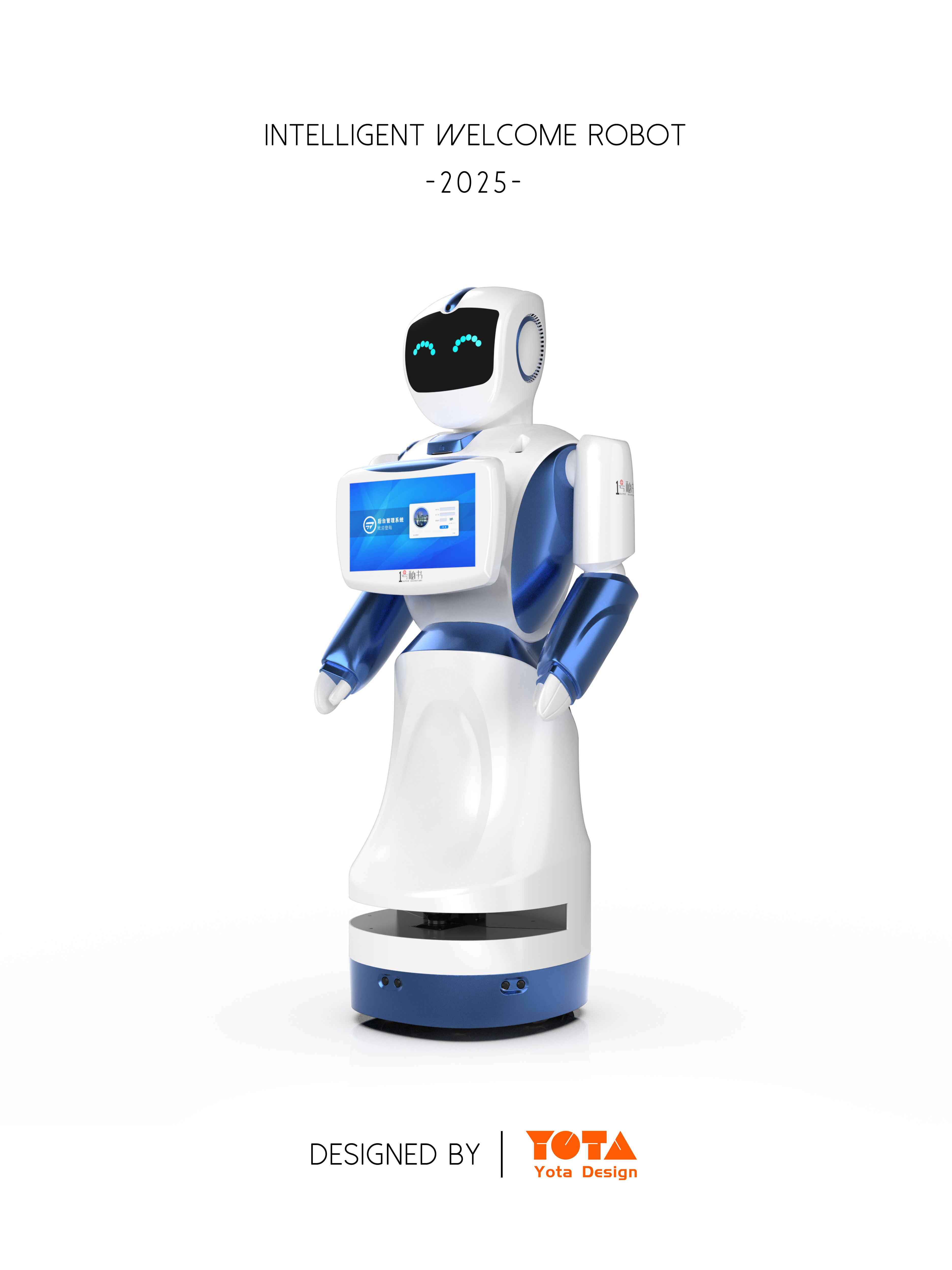
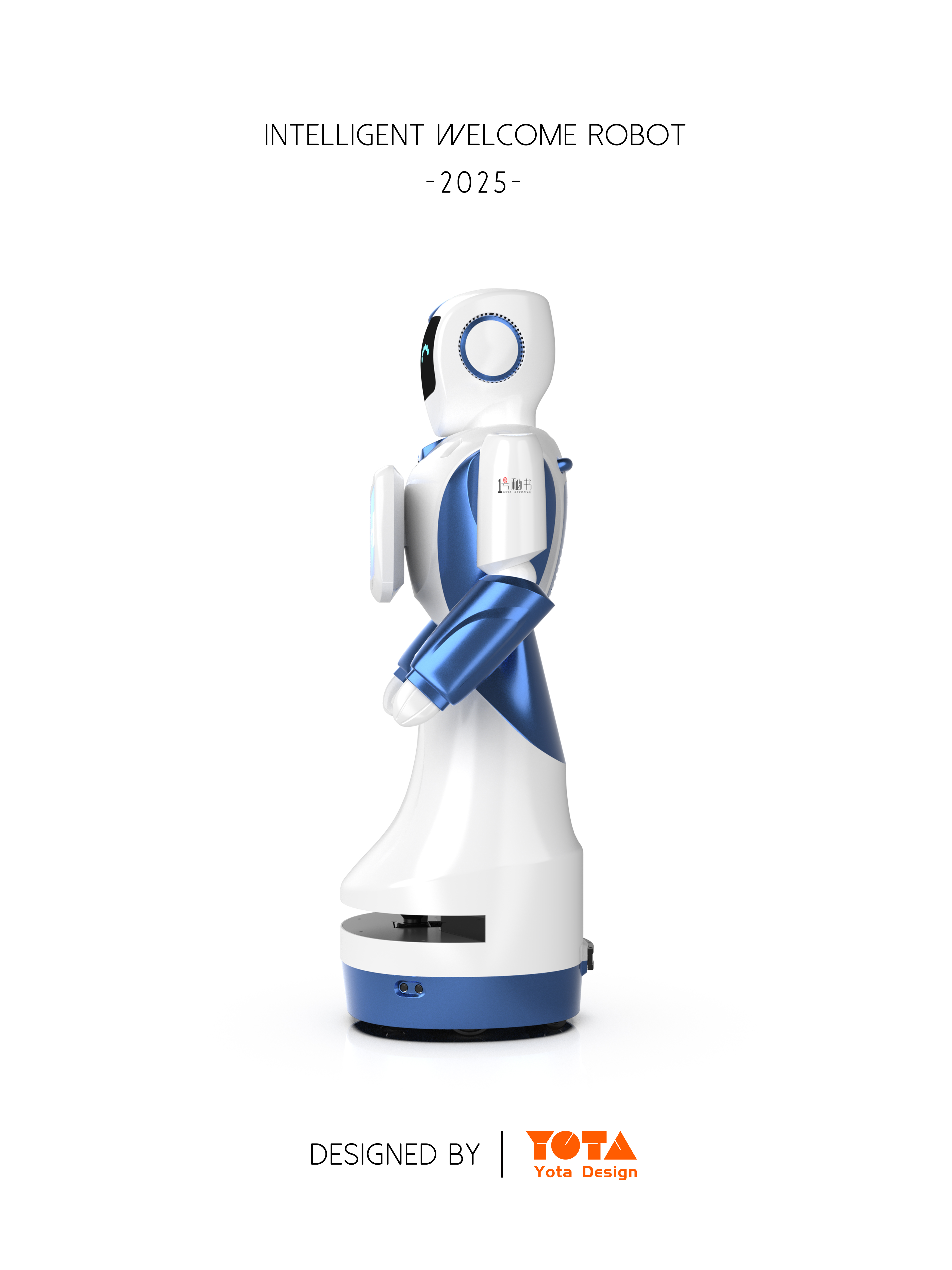
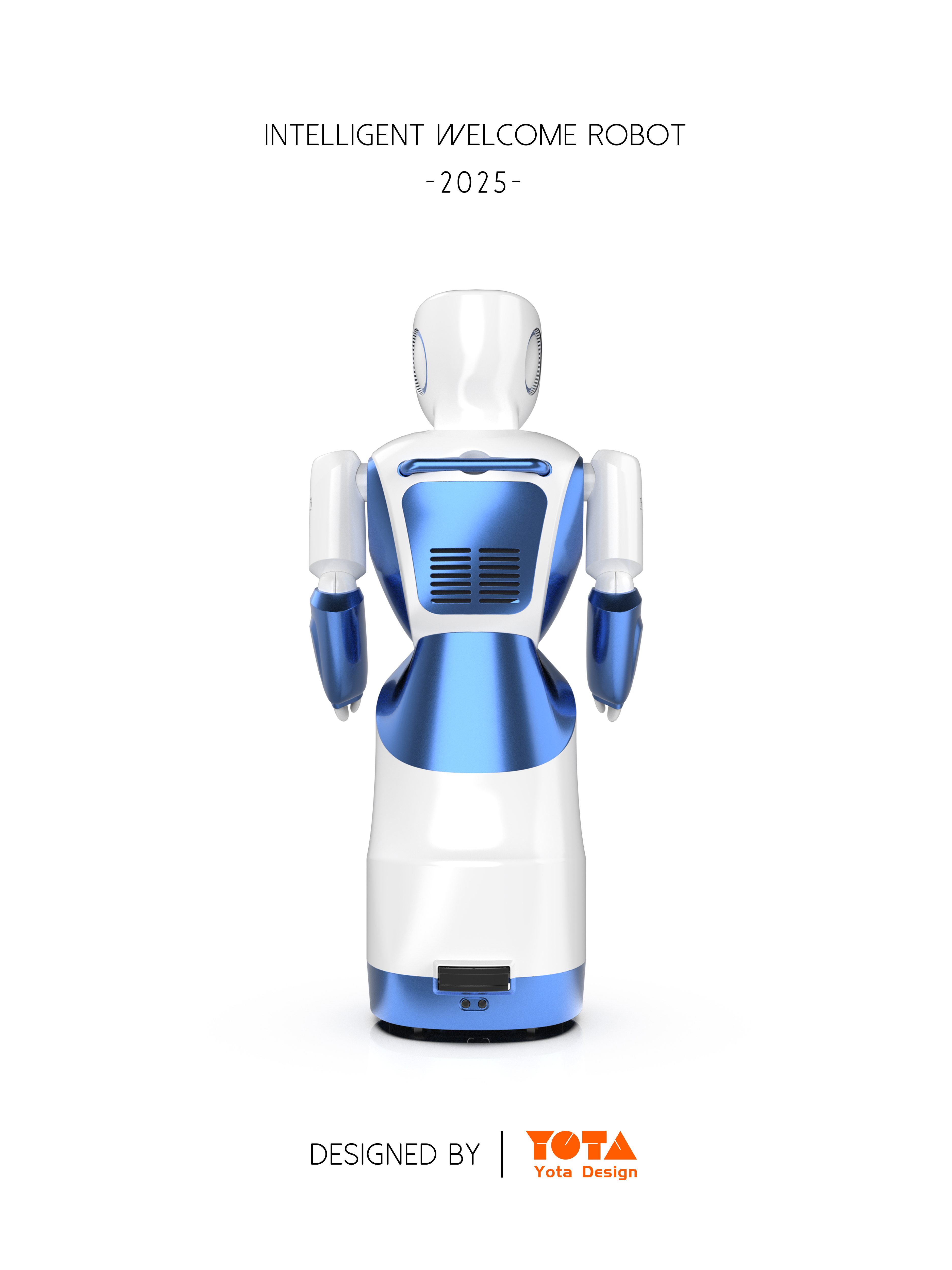
1. Modeling style: matching the tonality of the scene, the hotel robot is high-end and simple, the shopping mall is lively and friendly, the material is wear-resistant and easy-to-clean materials (such as ABS plastic and aluminum alloy), the overall color matching is mainly white, and the matching technology blue embellishment makes the robot more scientific and technological and professional in the future.
2. Obstacle Avoidance Sensor: Lidar (for SLAM map building and dynamic obstacle avoidance)
3. Vision: HD camera (above 1080P, used for face recognition, gesture recognition and user tracking);4. Voice: microphone array (4-8 microphones, supporting 3-5m far-field sound pickup, noise reduction and echo cancellation);5. Touch: 10-15 inch touch screen (capacitive screen, multi-touch support, display interactive interface).
3. software development
1. Welcome module: trigger greeting (if a pedestrian is detected to be within 1.5m, it will automatically wake up and voice greeting) and support personalized welcome (call name in combination with face recognition: "Mr Zhang, welcome again");
2. Guidance module: user input destination (voice/touch) → map matching target location → planning path → lead user to (real-time obstacle avoidance on the way, prompt "destination has been reached" after arrival);
3. Information service module: inquire about weather, time, place facilities (such as "where is the toilet"), activity information (such as "what exhibition is there today"), and support docking with third-party systems (such as store CRM inquiry about store discounts);
4. Management background: remote monitoring of robot status (electricity quantity, location, fault alarm), map update, speech/function remote configuration, data statistics (interaction times, popular destinations).





More and more jobs can be replaced by robots
Interesting.
Ha ha ha ha ha