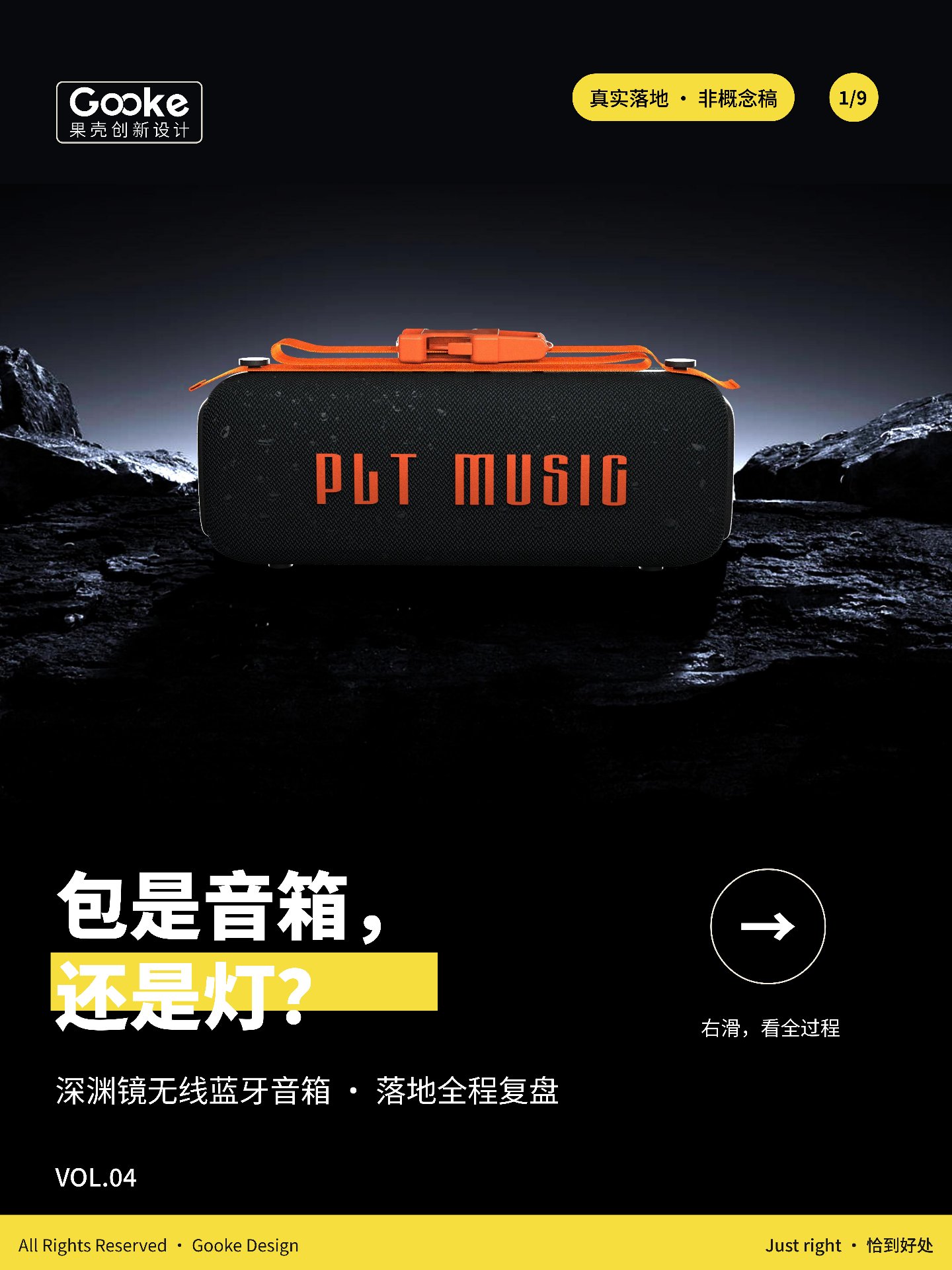
When most speakers go on the market, they have to answer one question first: what does it look like.
The answer of the Abyssal Mirror is— it does not answer.
The half-lens back mirror ring light belt attenuates a layer of brightness for each reflection, and the layers are stacked to a depth where the bottom cannot be seen. During the day, it is an accompanying sound box, and the webbing can be carried back and hung. As night falls, the abyss lights on both sides light up, and it becomes a piece of equipment.
But what really makes it go from "good-looking" to "on sale" is another line.
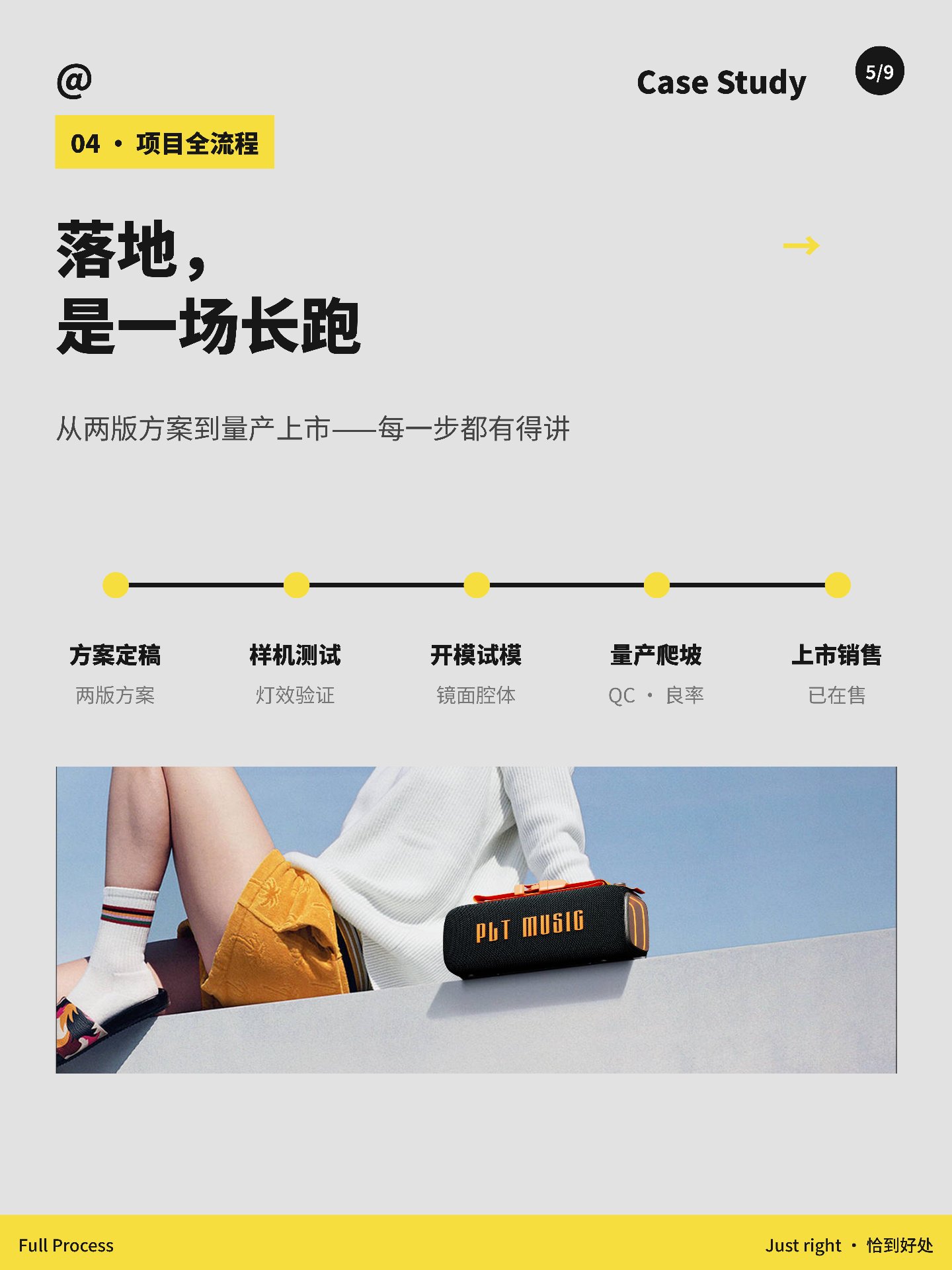
From the finalization of the two-edition plan, the verification of the lamp effect of the prototype, the mold opening and mold test, to the QC and yield of mass production climbing, and then to the shelf-landing, it is a long-distance race.

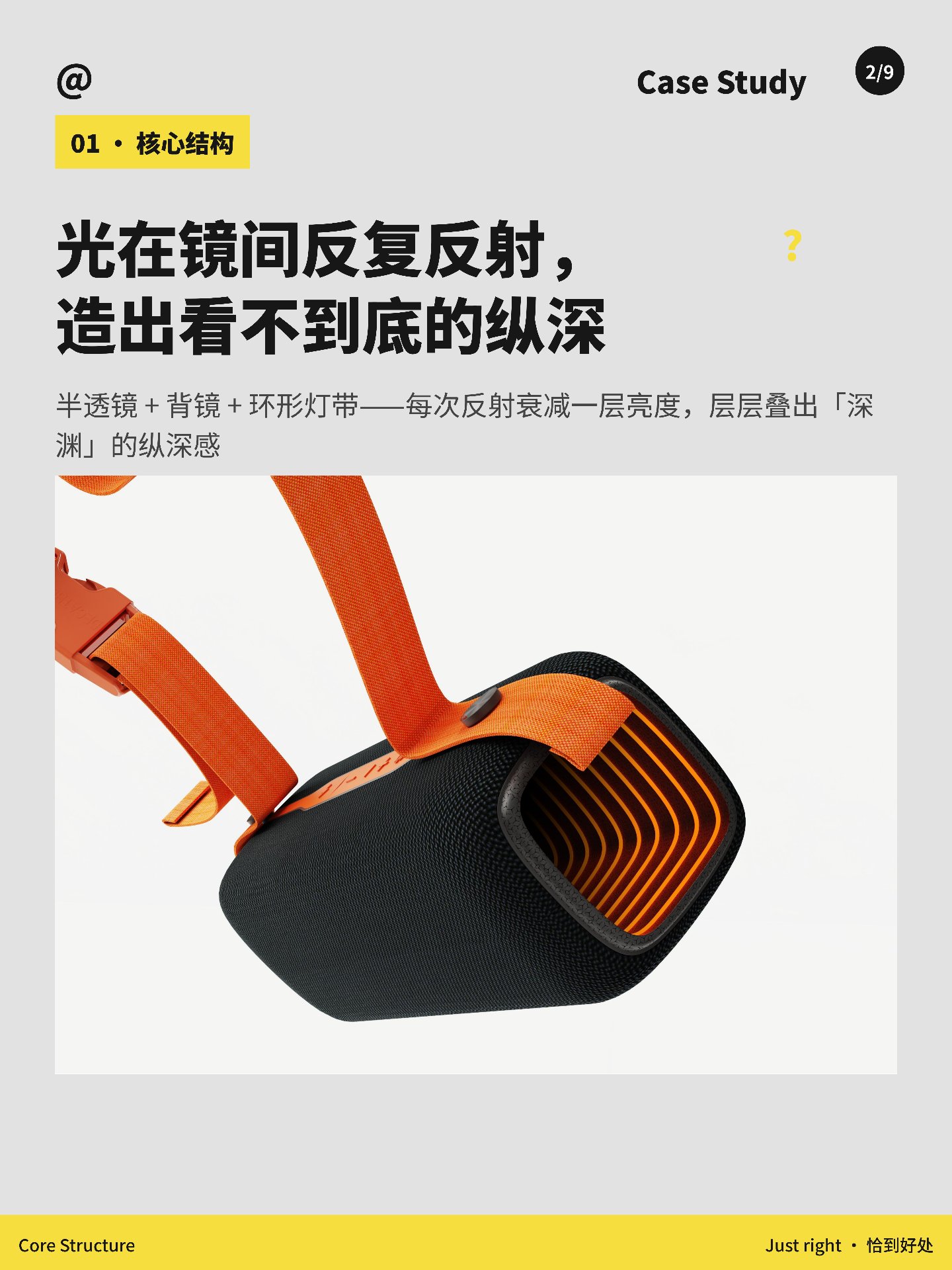
Core structure: light is repeatedly reflected between mirrors to create a depth that cannot see the bottom.
The lighting effect of the abyss mirror is not a map, nor is the light band exposed. On the opposite side of the half mirror and the back mirror, the light is refracted repeatedly in the cavity, and each reflection attenuates a layer of brightness, layer by layer to create the impression of "abyss. The lamp is hidden inside, and the light is calculated.
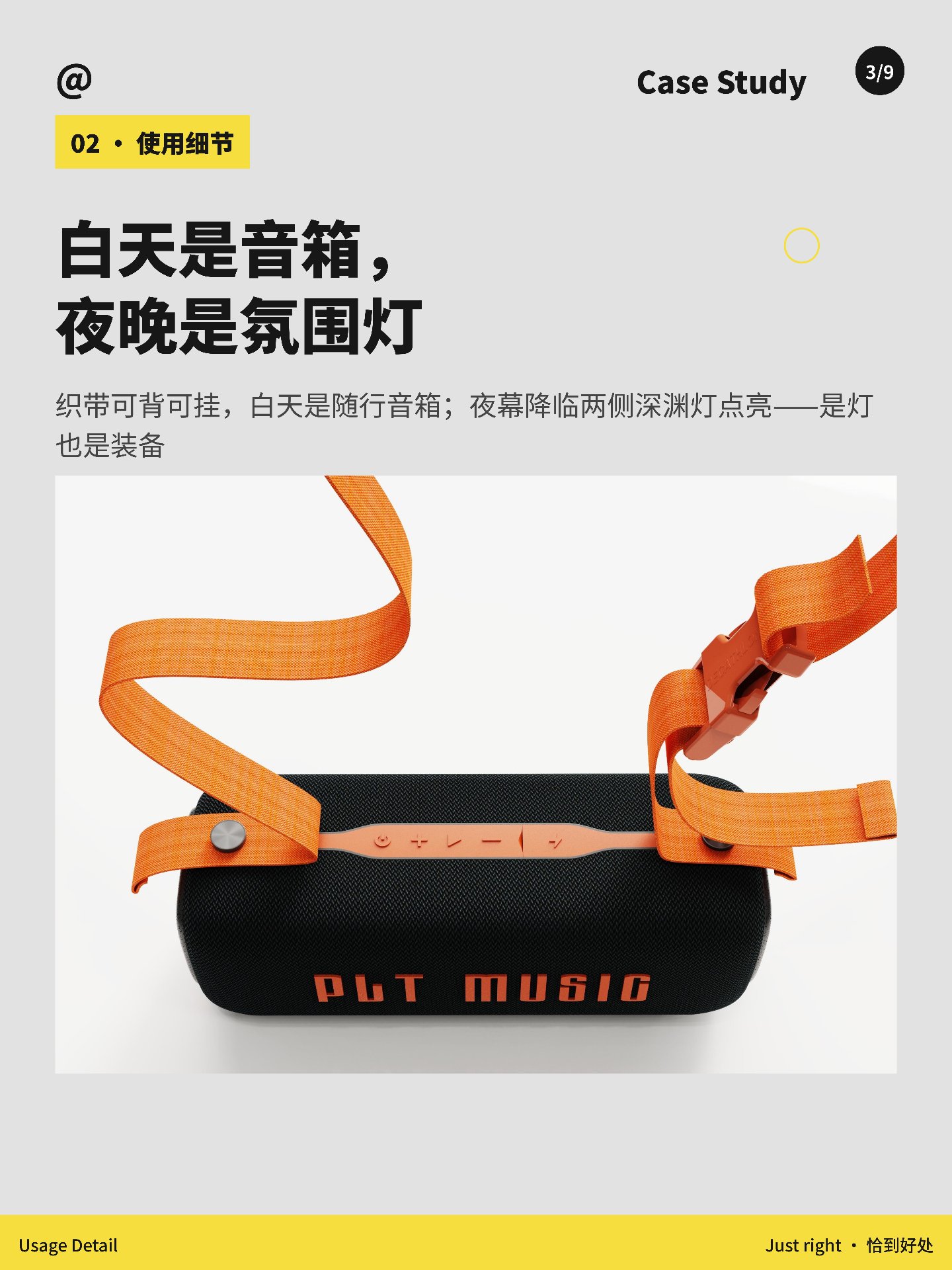
Use details: during the day is the speaker, the night is the atmosphere light
The webbing can be backed and hung, and it is an accompanying speaker during the day. Abyss lights on both sides light up at night-they are lights and equipment. One thing covers two scenes, relying on structure rather than accessories.
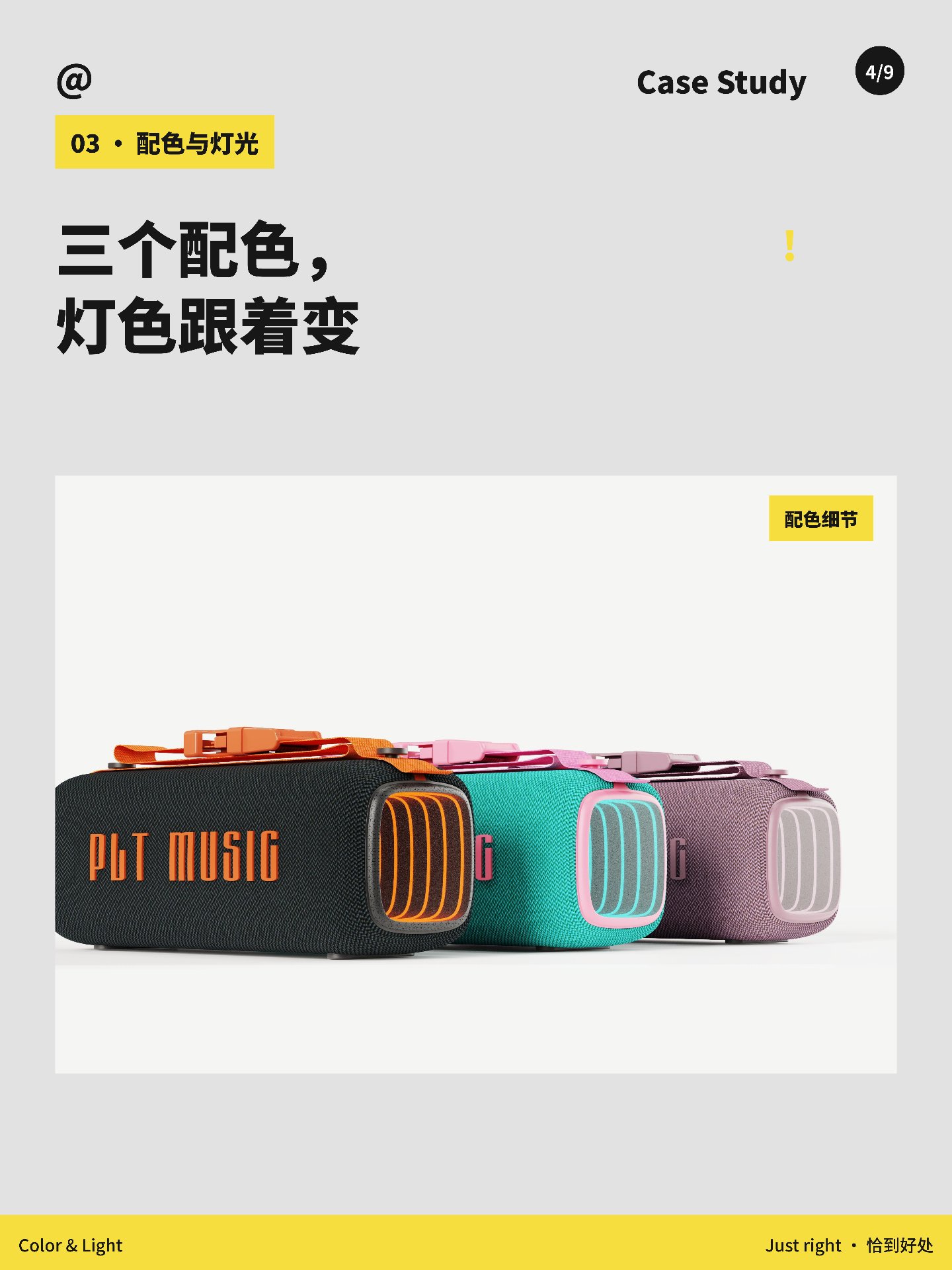
Three color matching, light color change
Black, orange, green. The light color is not a fixed orange, but a random body color. Color matching here is not only the appearance, but also a part of the light effect-changing the shell is changing the atmosphere.
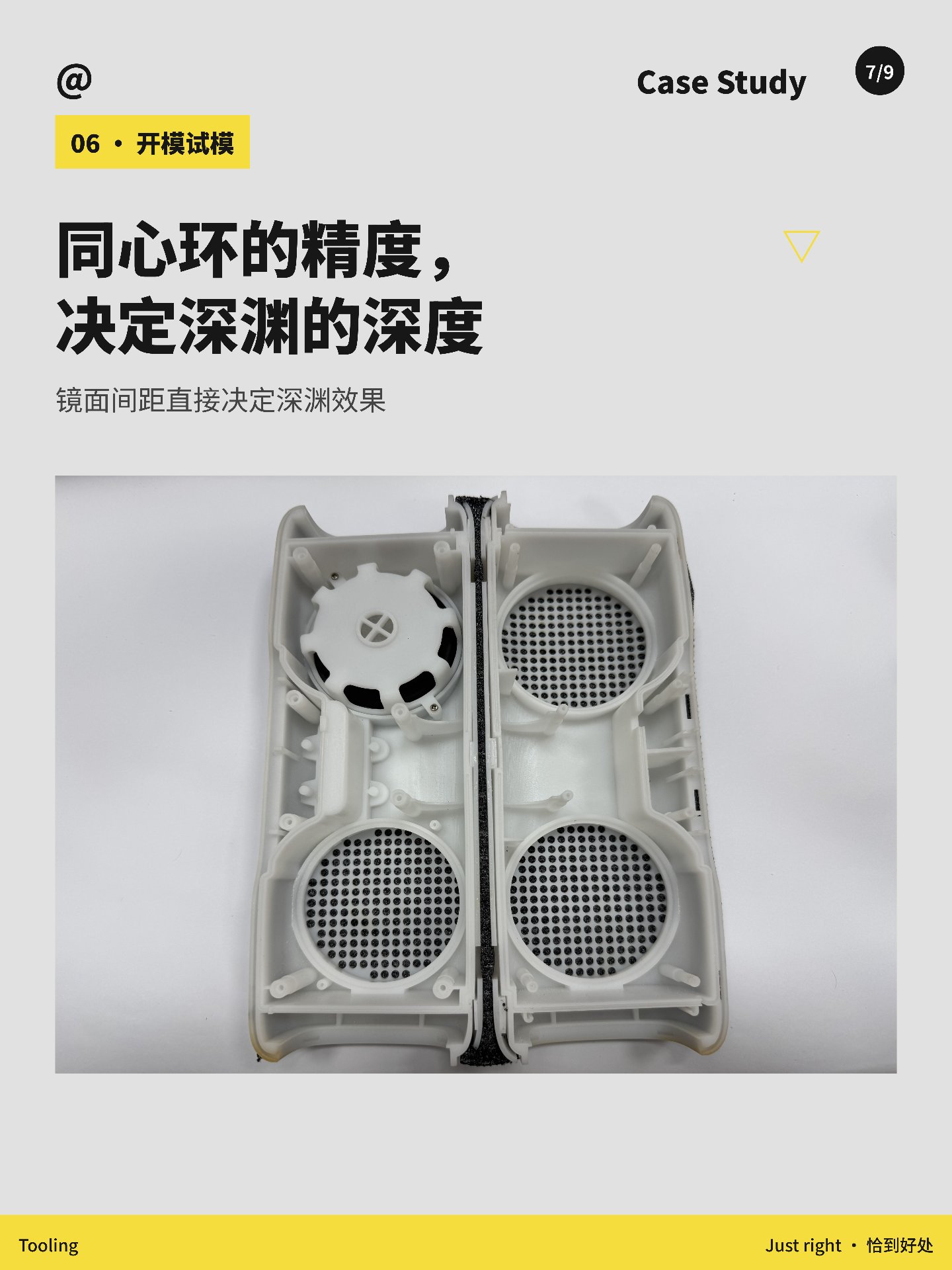
Mold opening test: the accuracy of concentric rings determines the depth of the abyss
The mirror spacing directly determines the abyss effect. The deviation of 0.1mm cannot be seen on the rendering map, but is the difference between "no depth" and "looking to the end at a glance" in real objects.
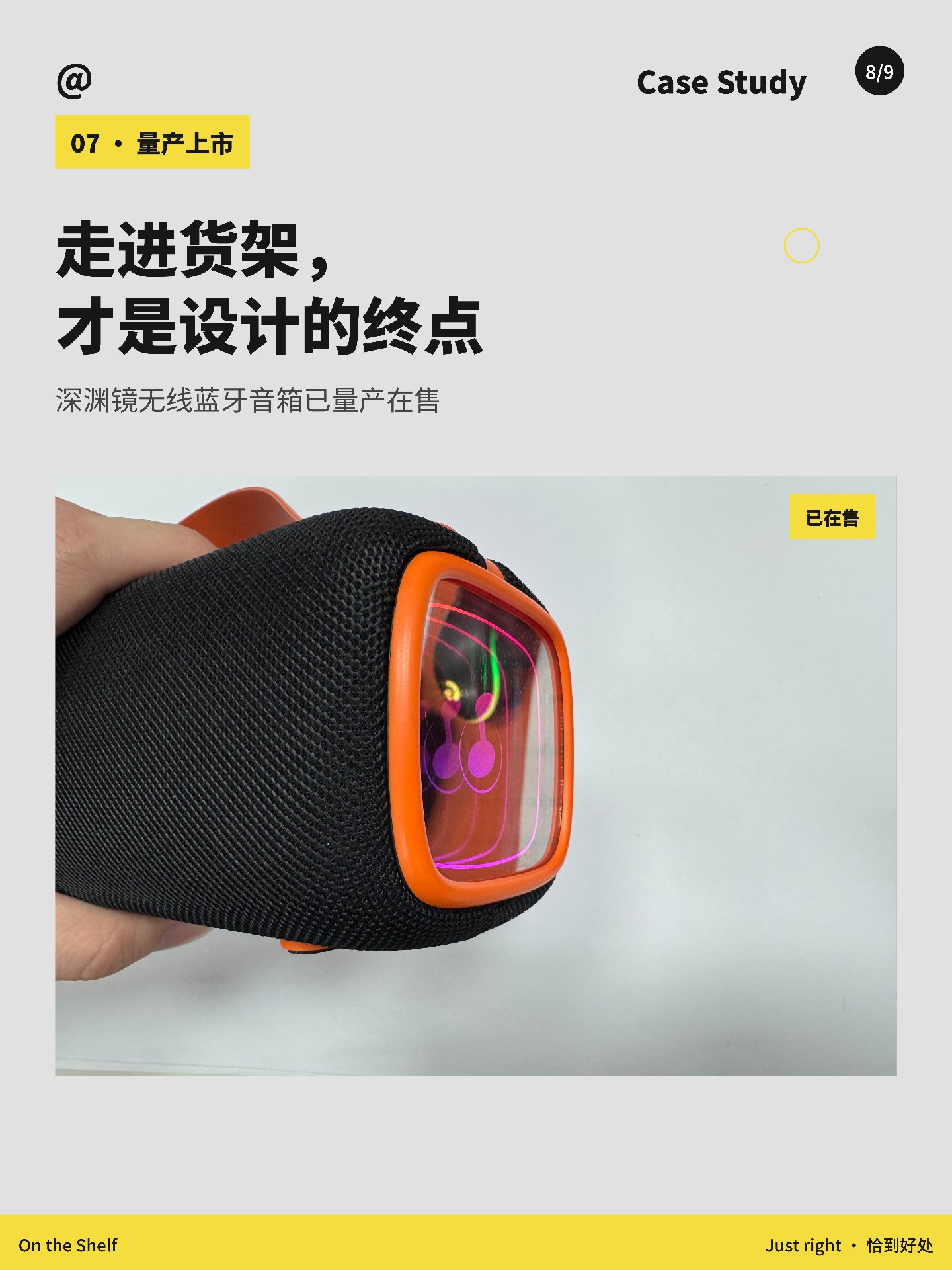
Mass production listing: into the shelf, is the end of the design
The lighting effect on the design draft is rendering, and the lighting effect on the real object is yield. This Shenzhen mirror has been put on sale in mass production-from the conceptual map of the lunar surface to the physical objects on the shelf, what is separated is not inspiration but craftsmanship.
Just right. Just right.
Design by Gooke





Bought one.
Especially textured
6666
Not bad