Personal Portfolio (Junior Majoring in Industrial Design Seeking Internship)
2026-05-28
Home Appliance
6338
23
73
Follow
Message



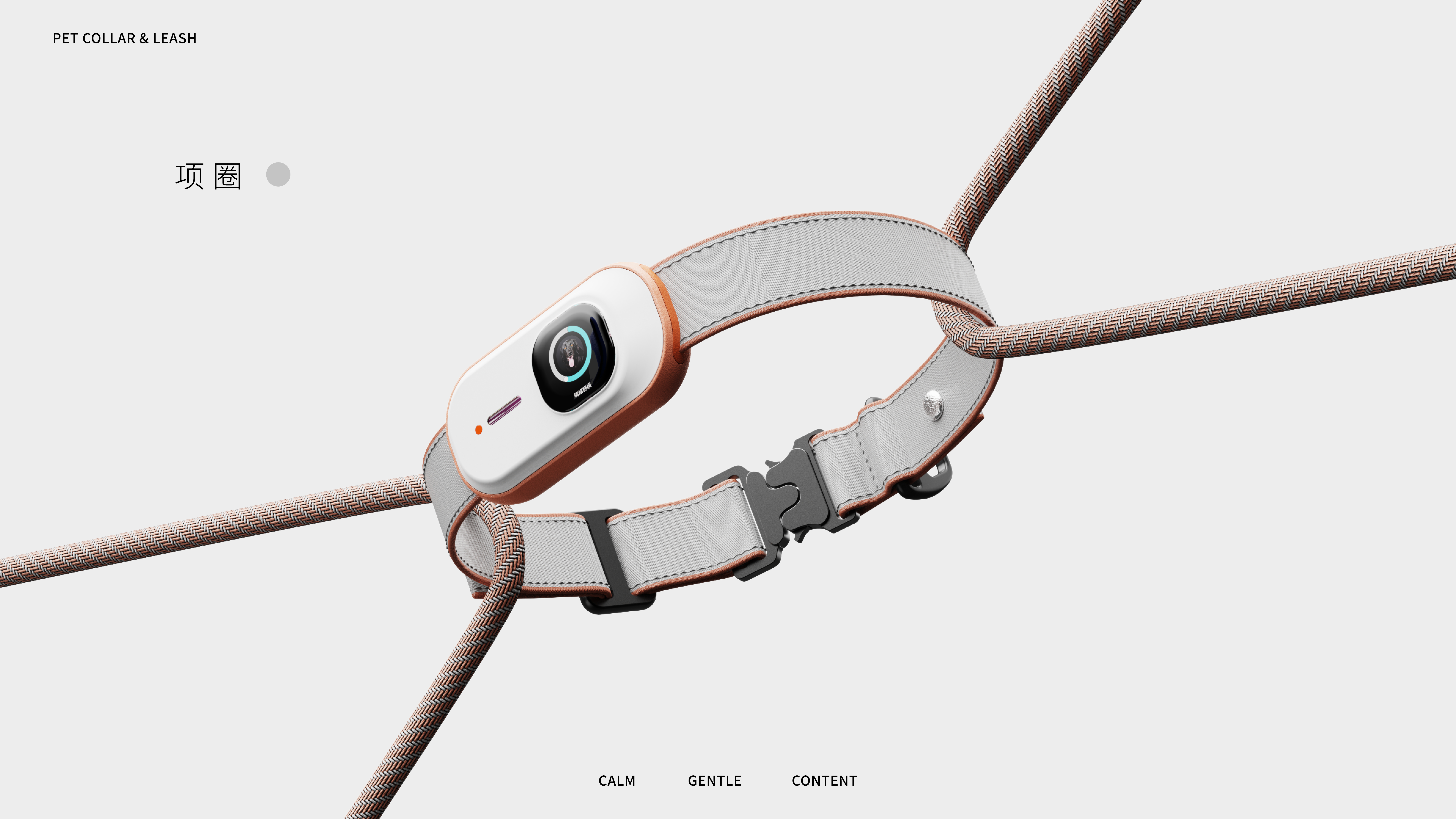
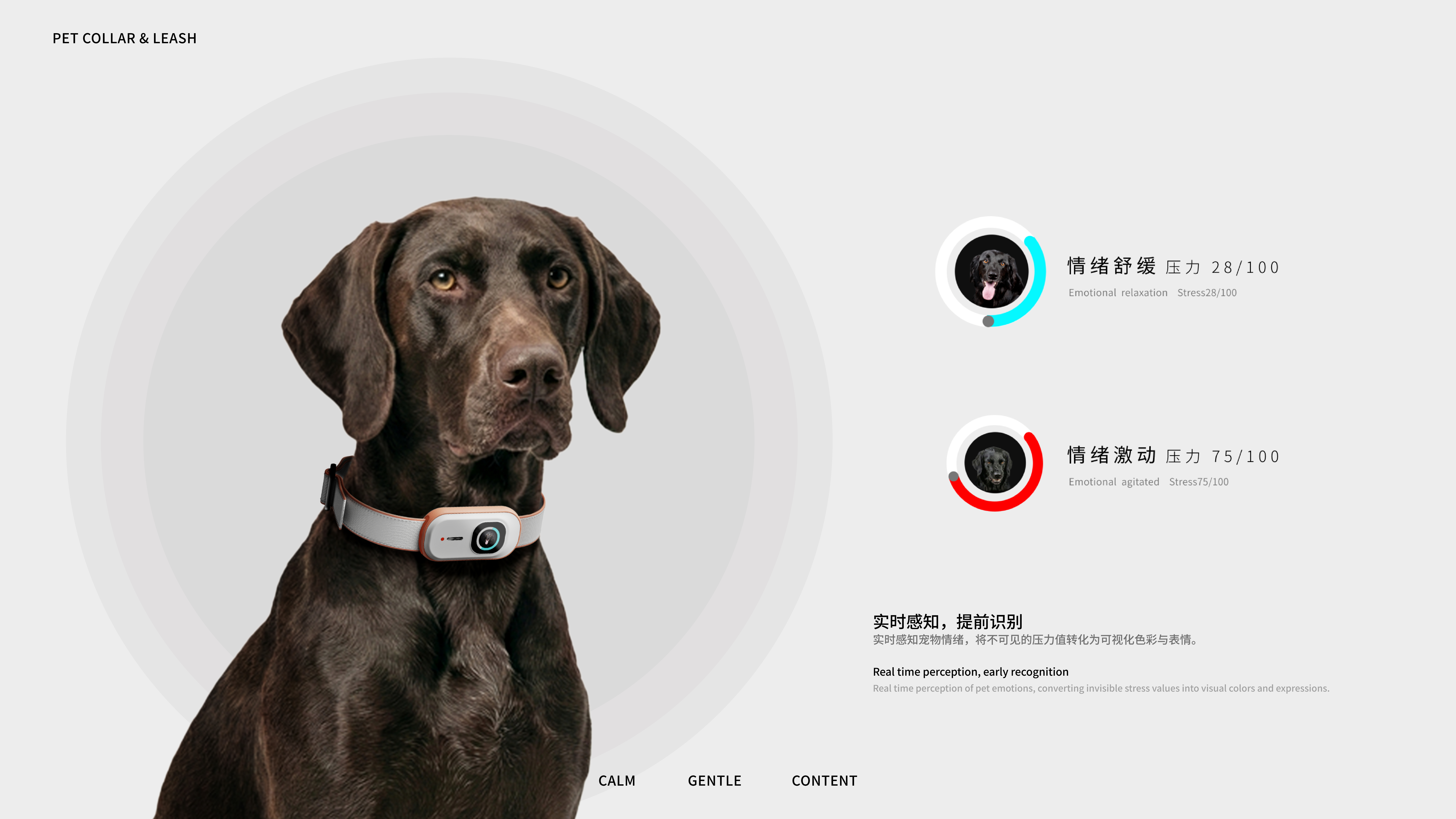
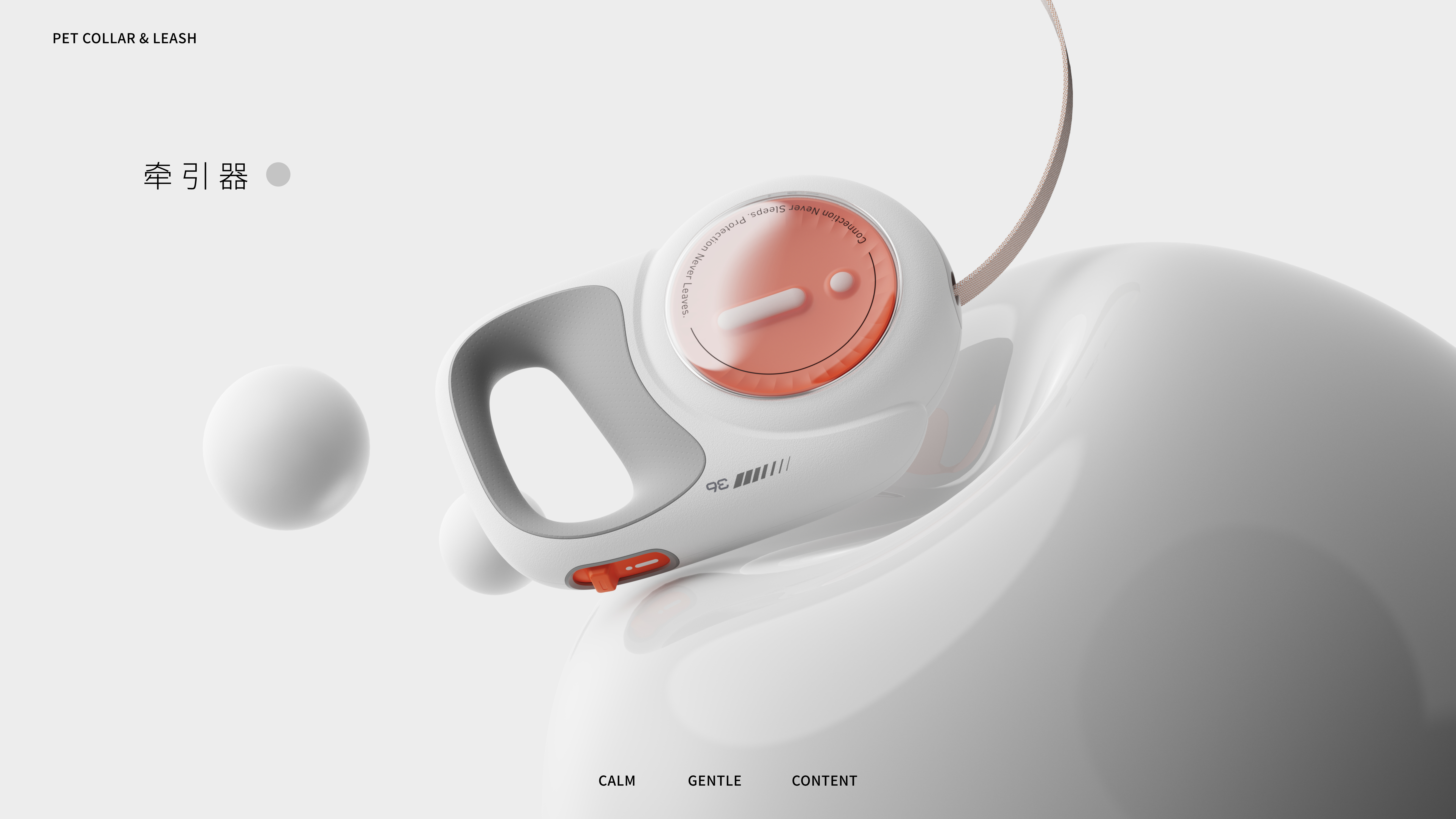
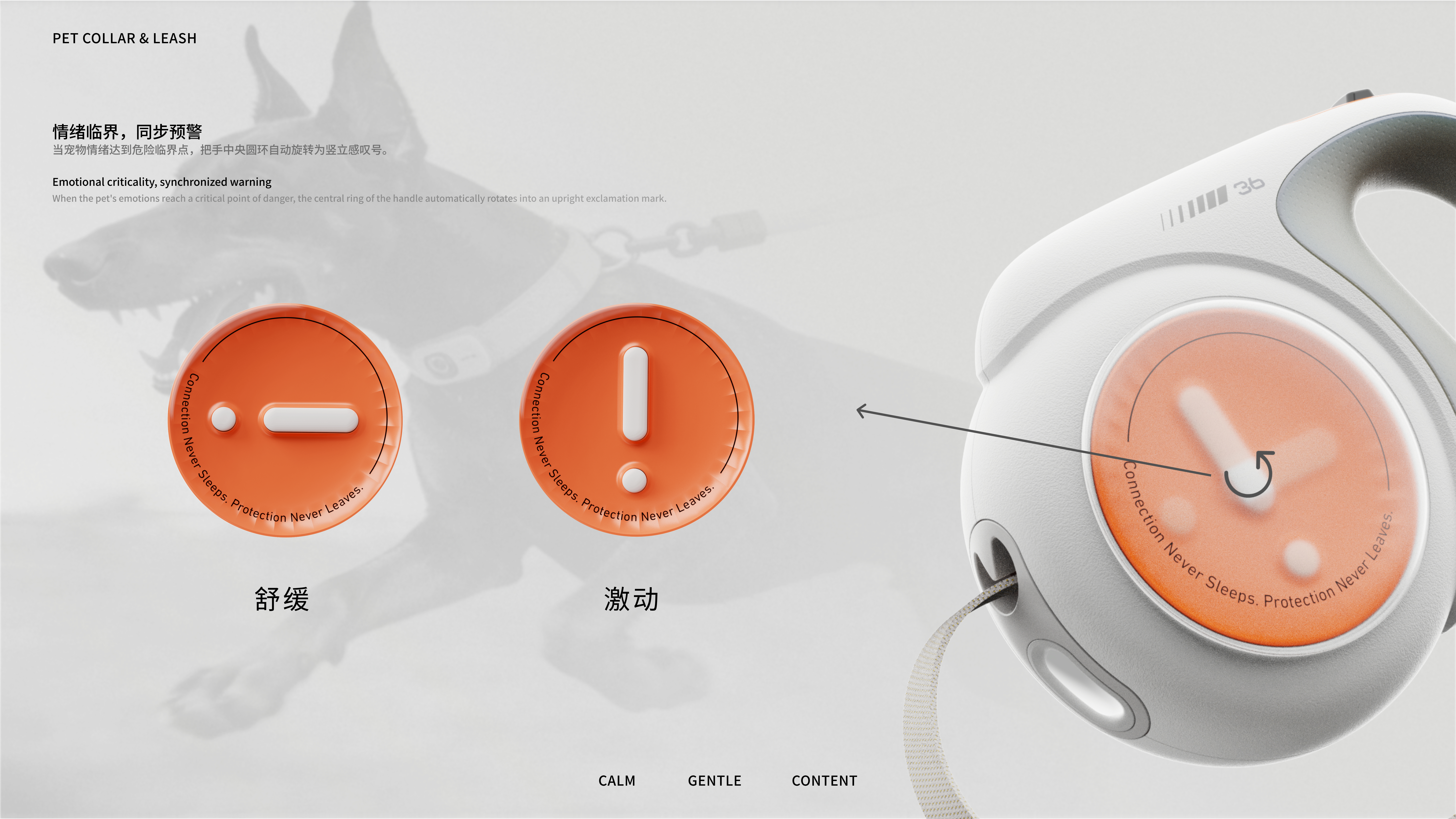
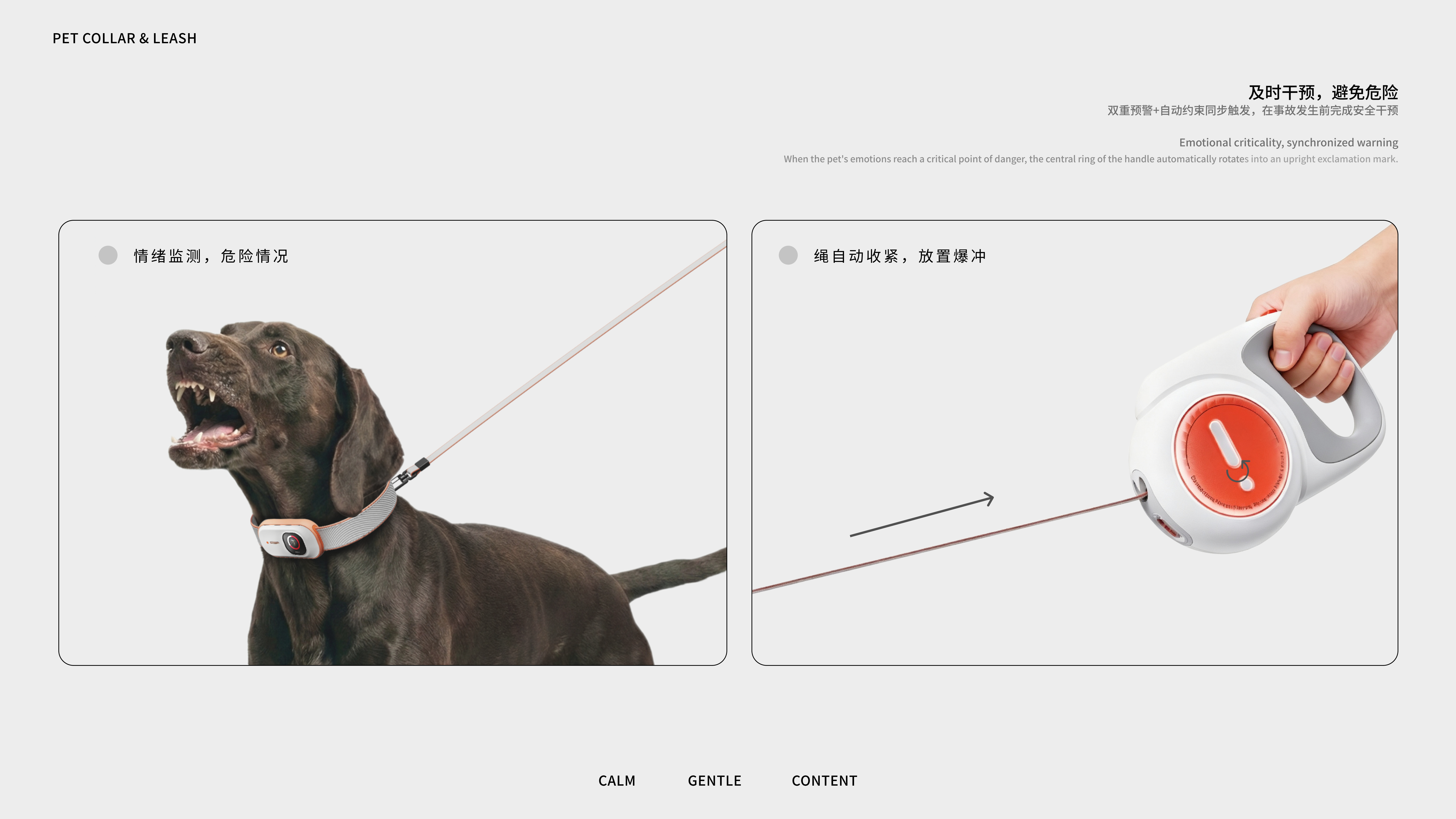
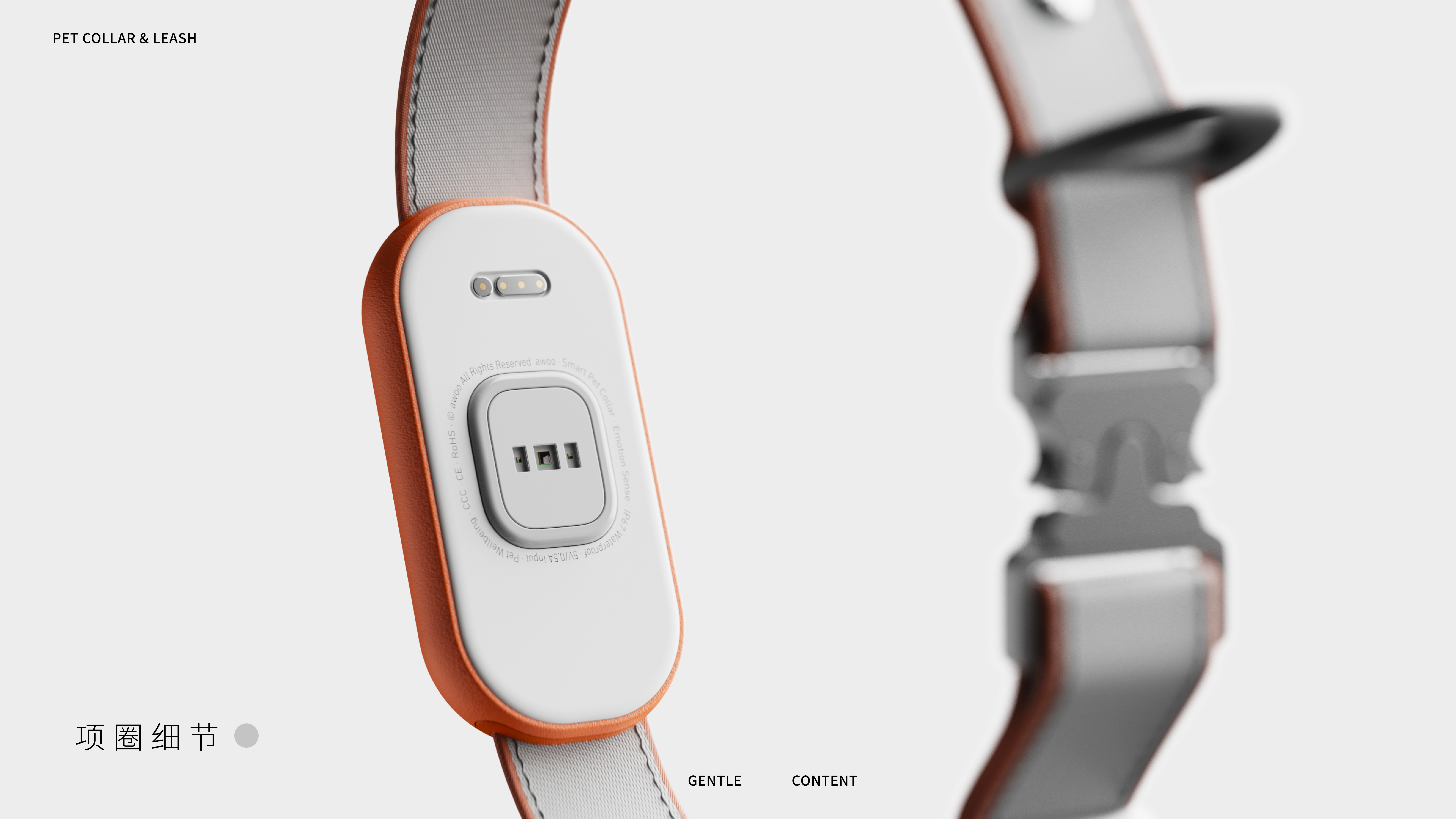
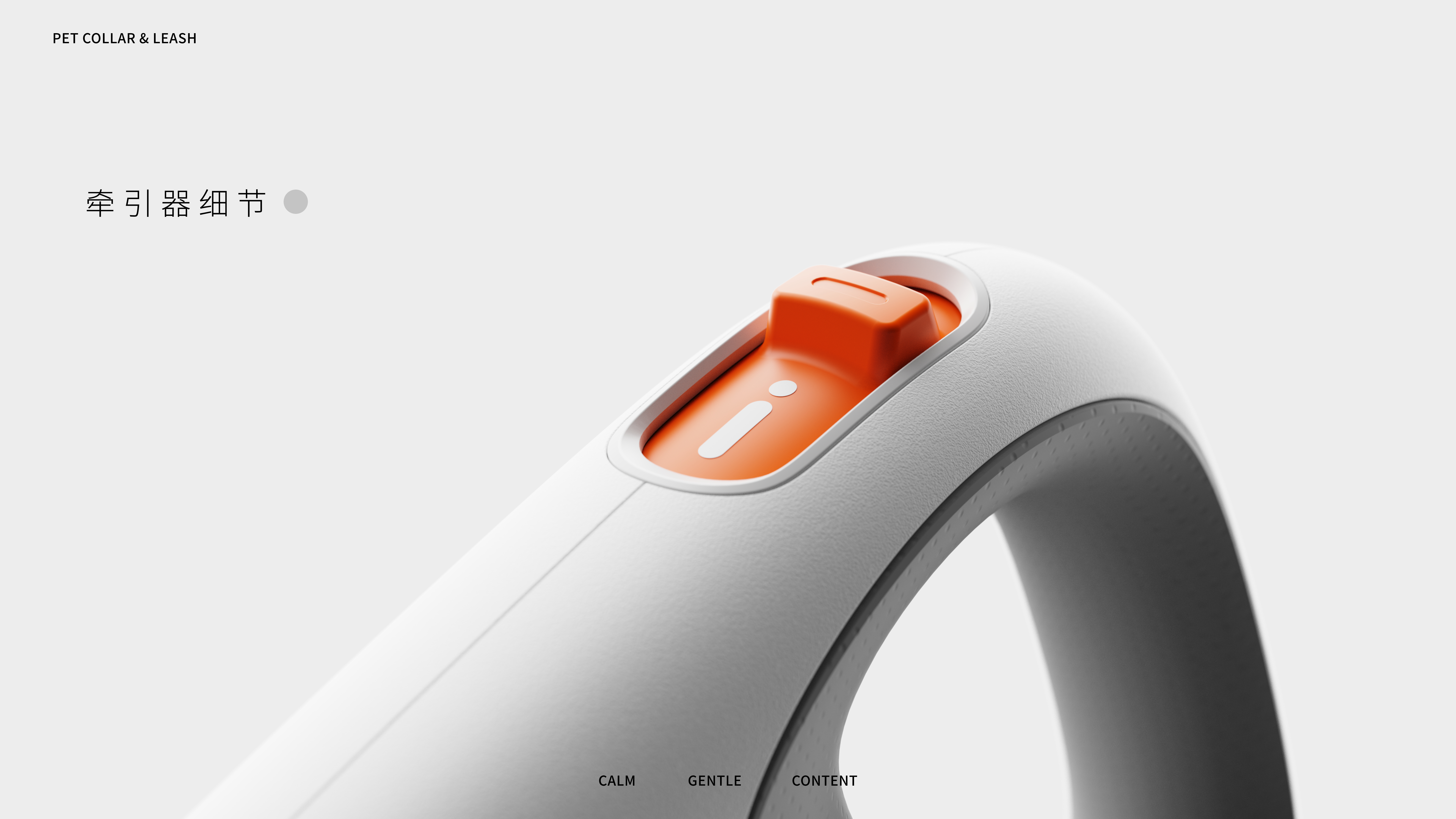
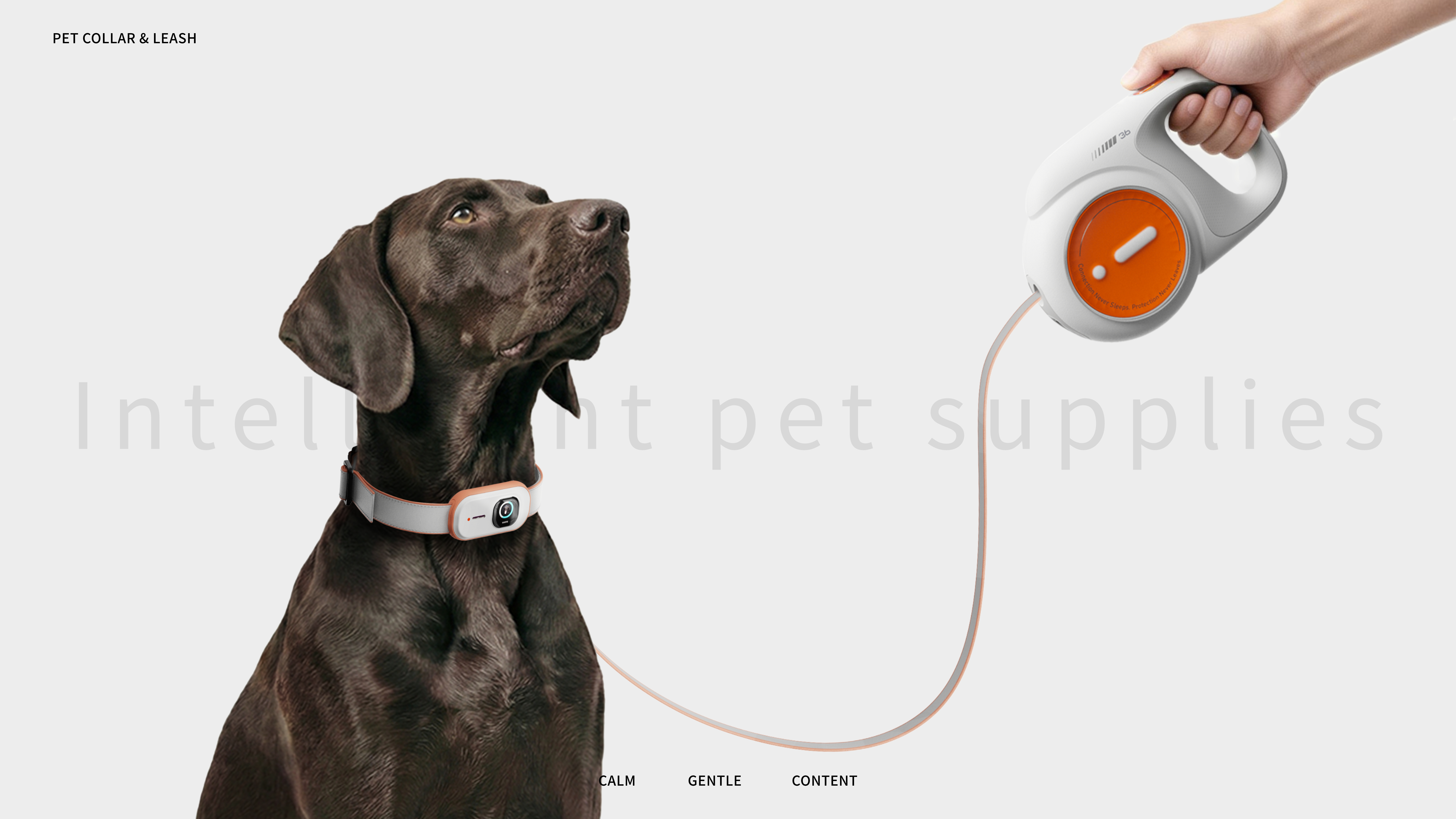


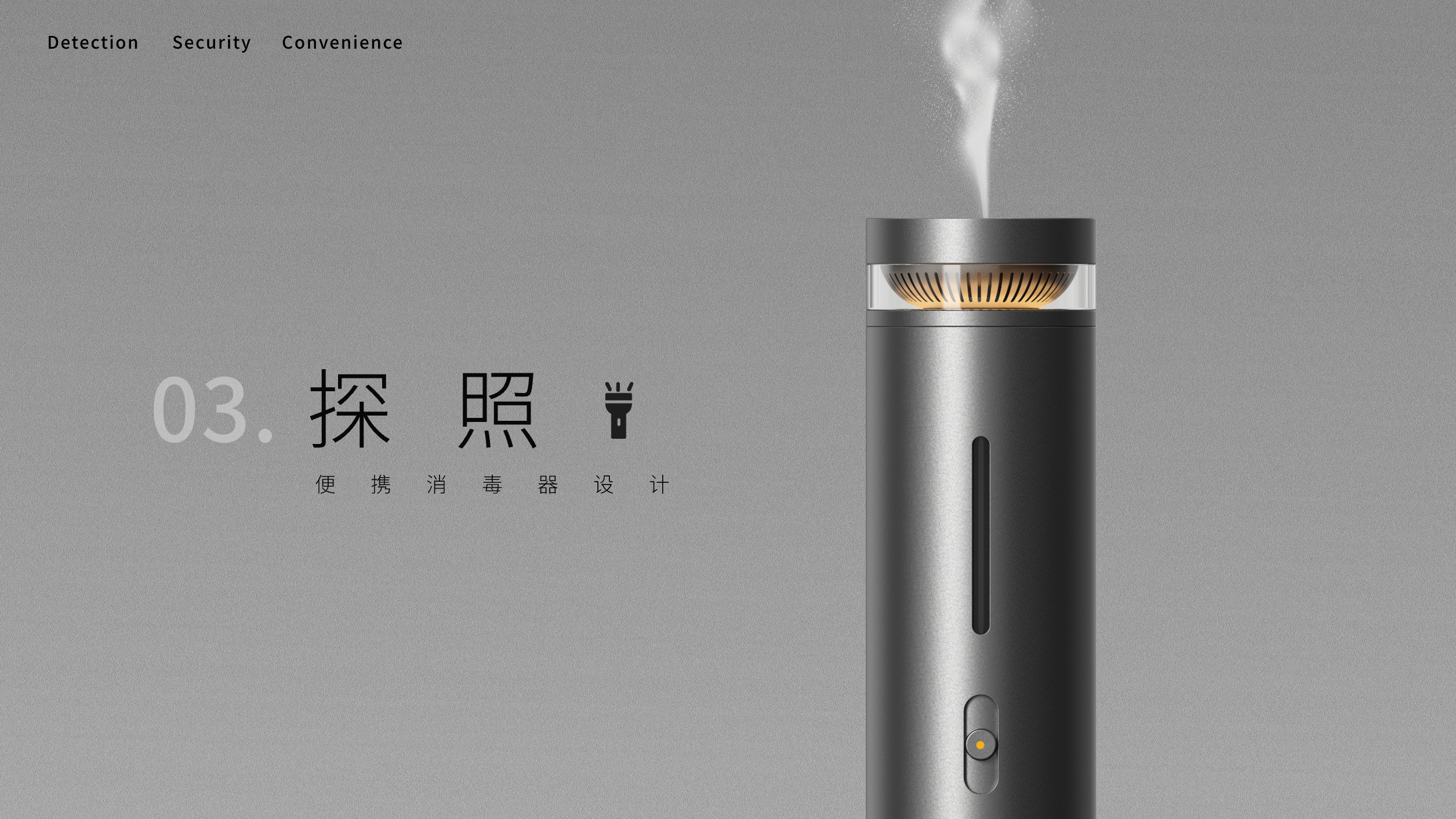

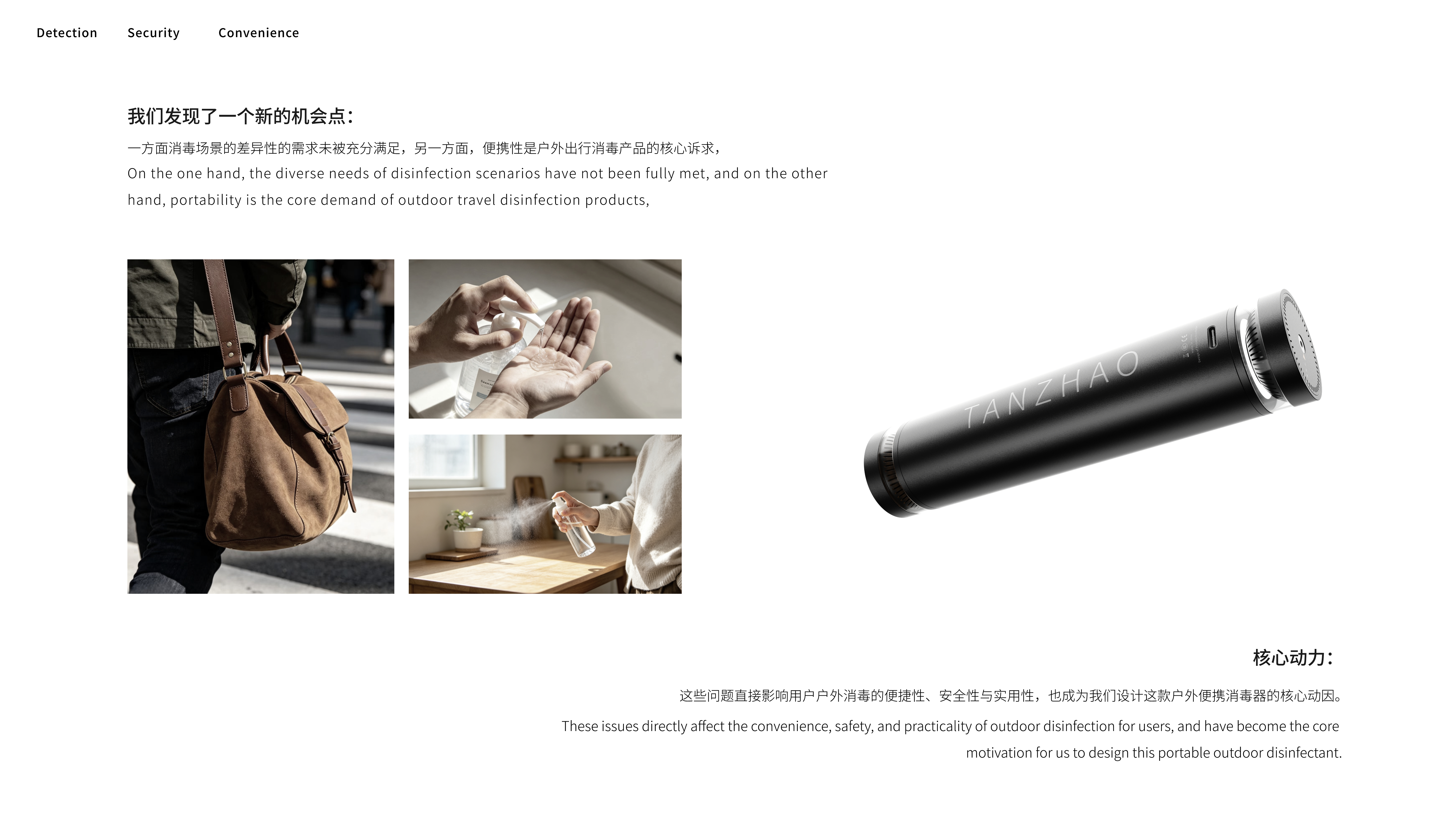
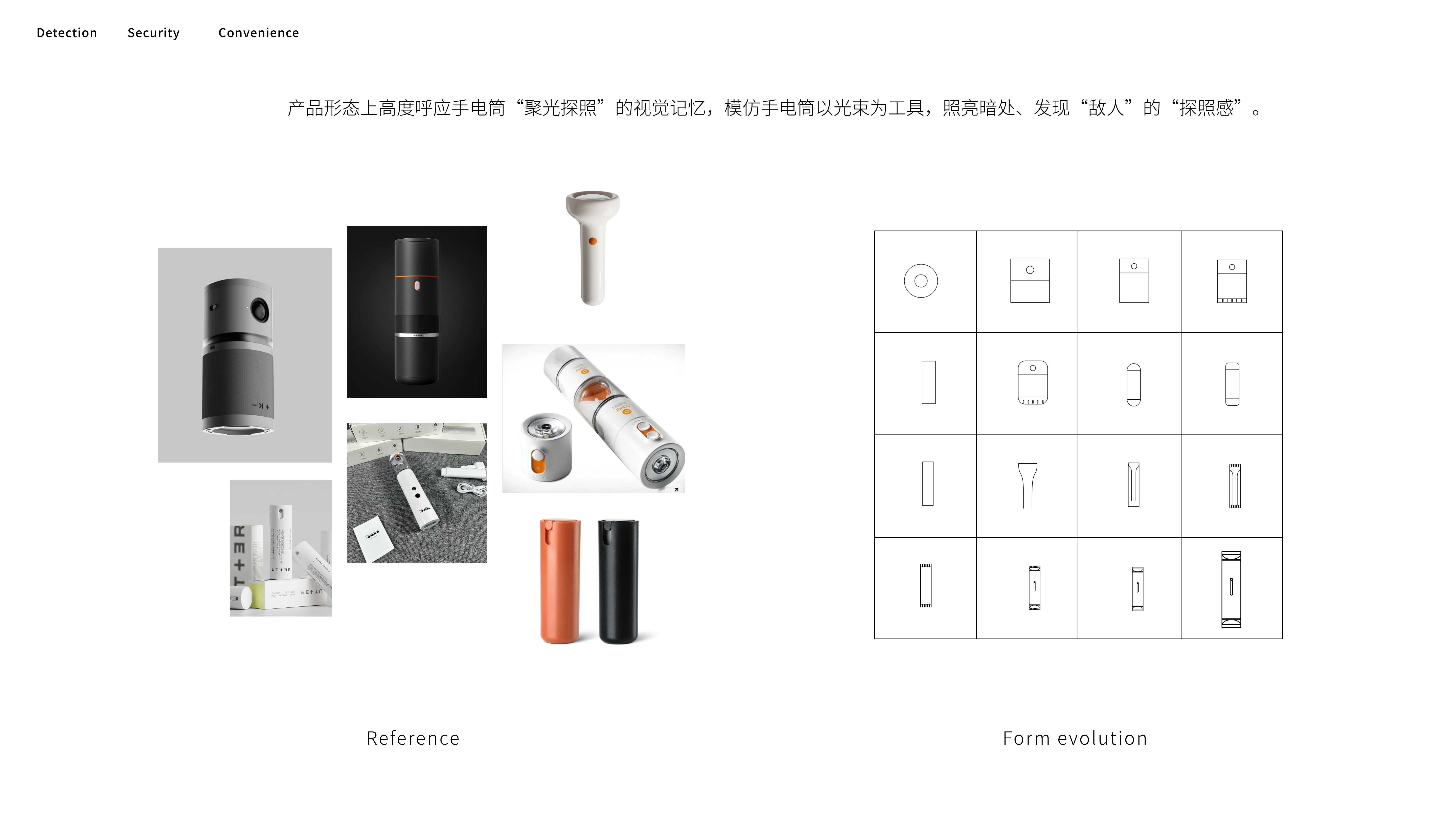
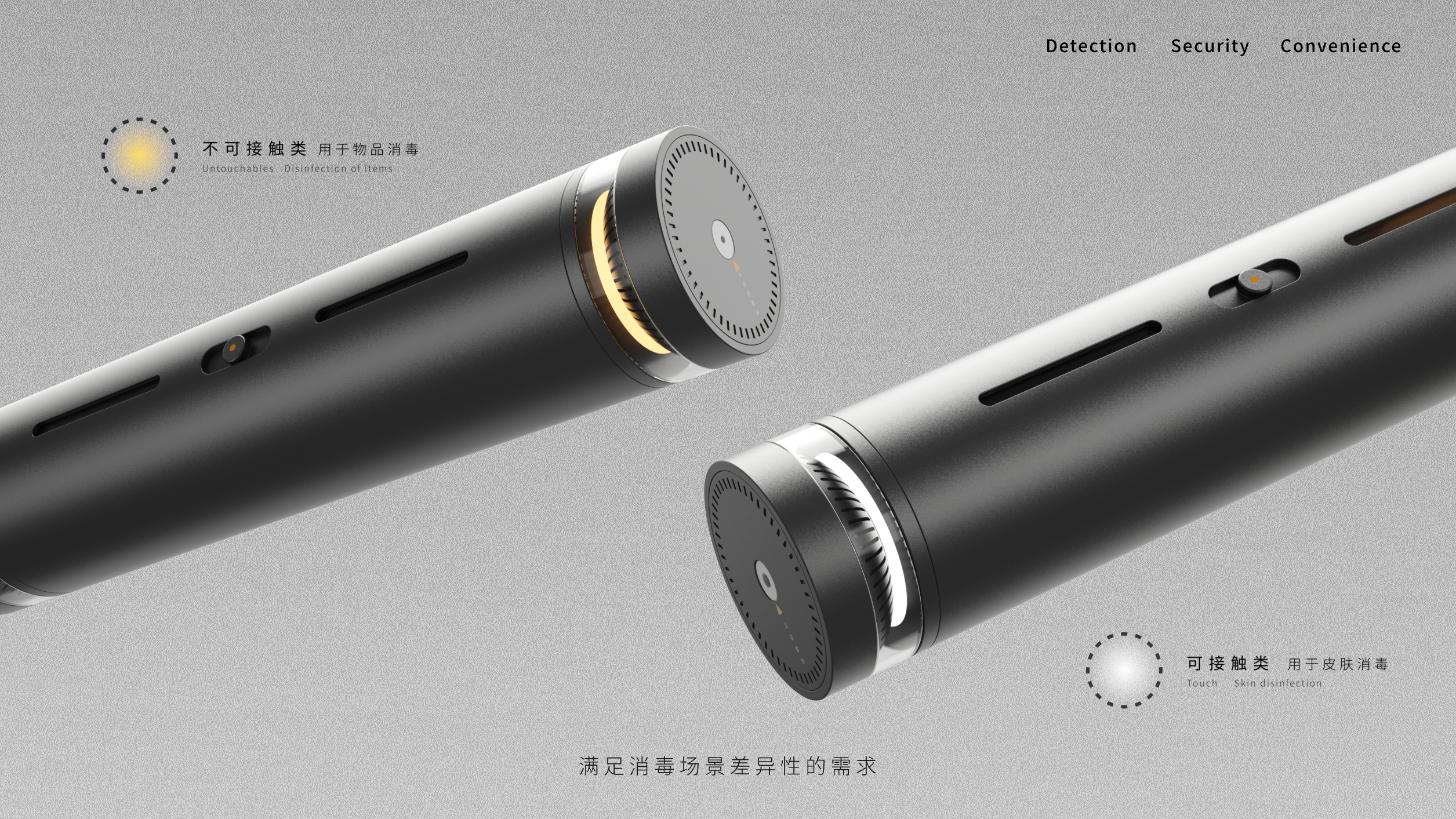
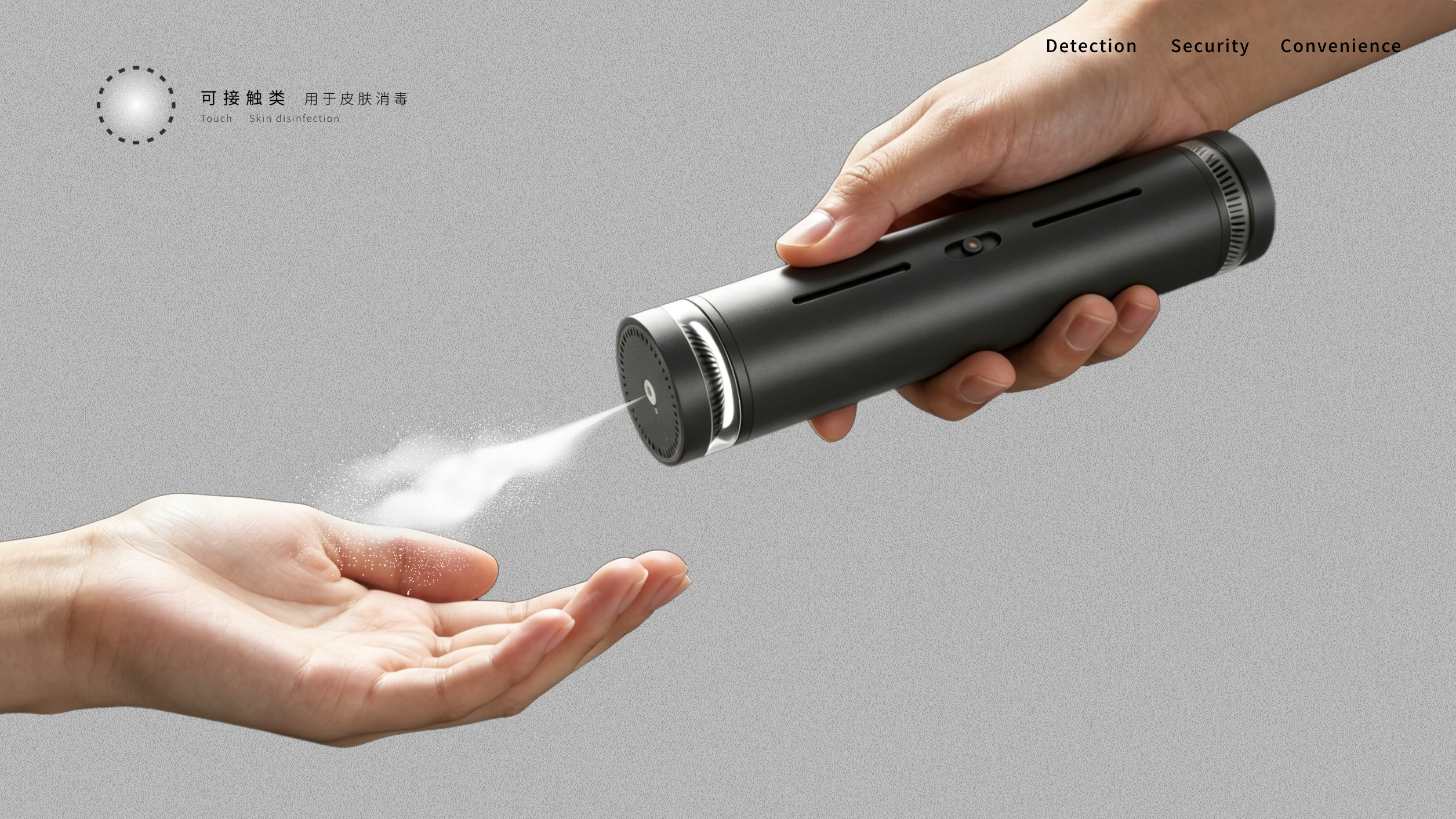
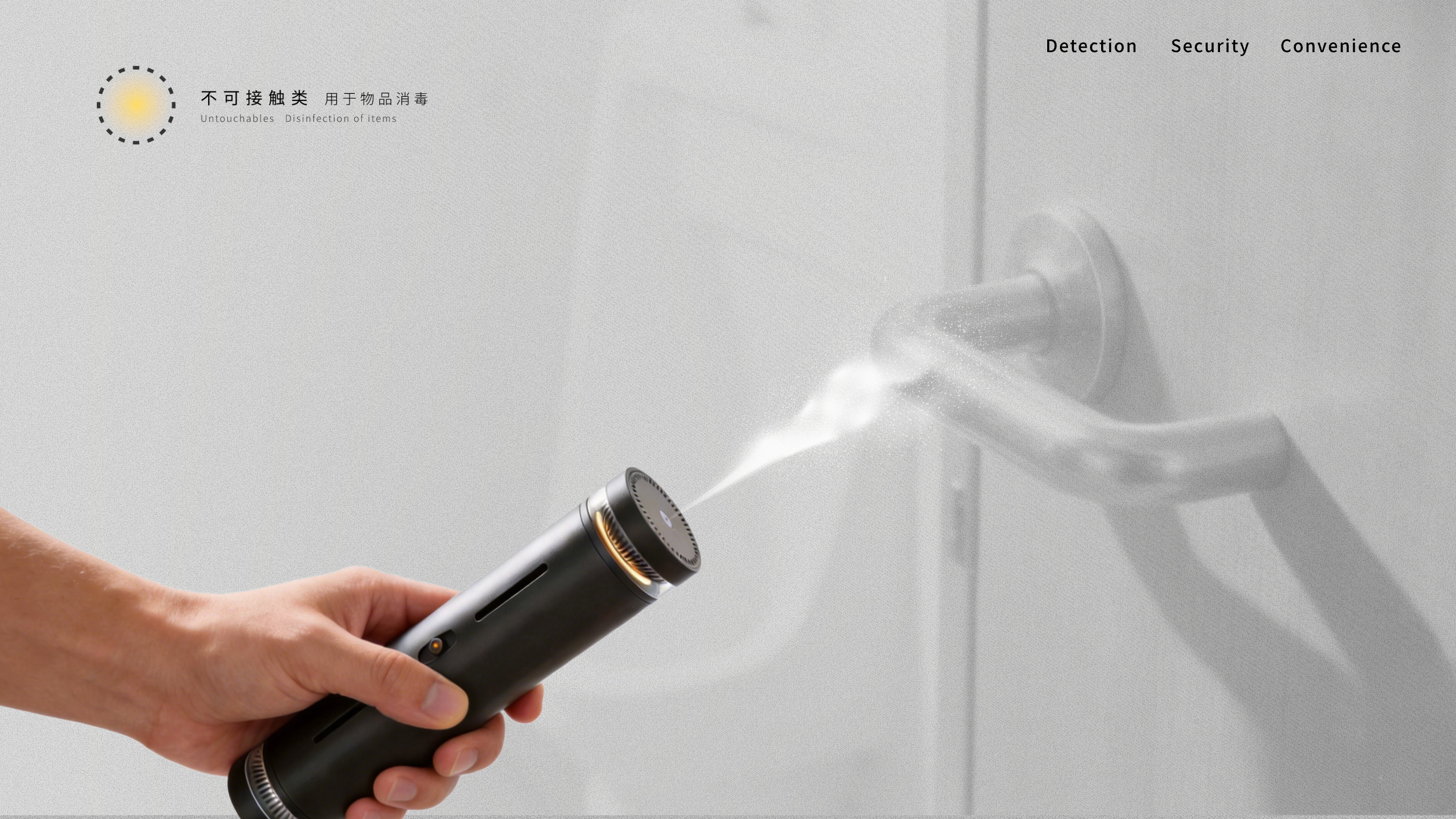
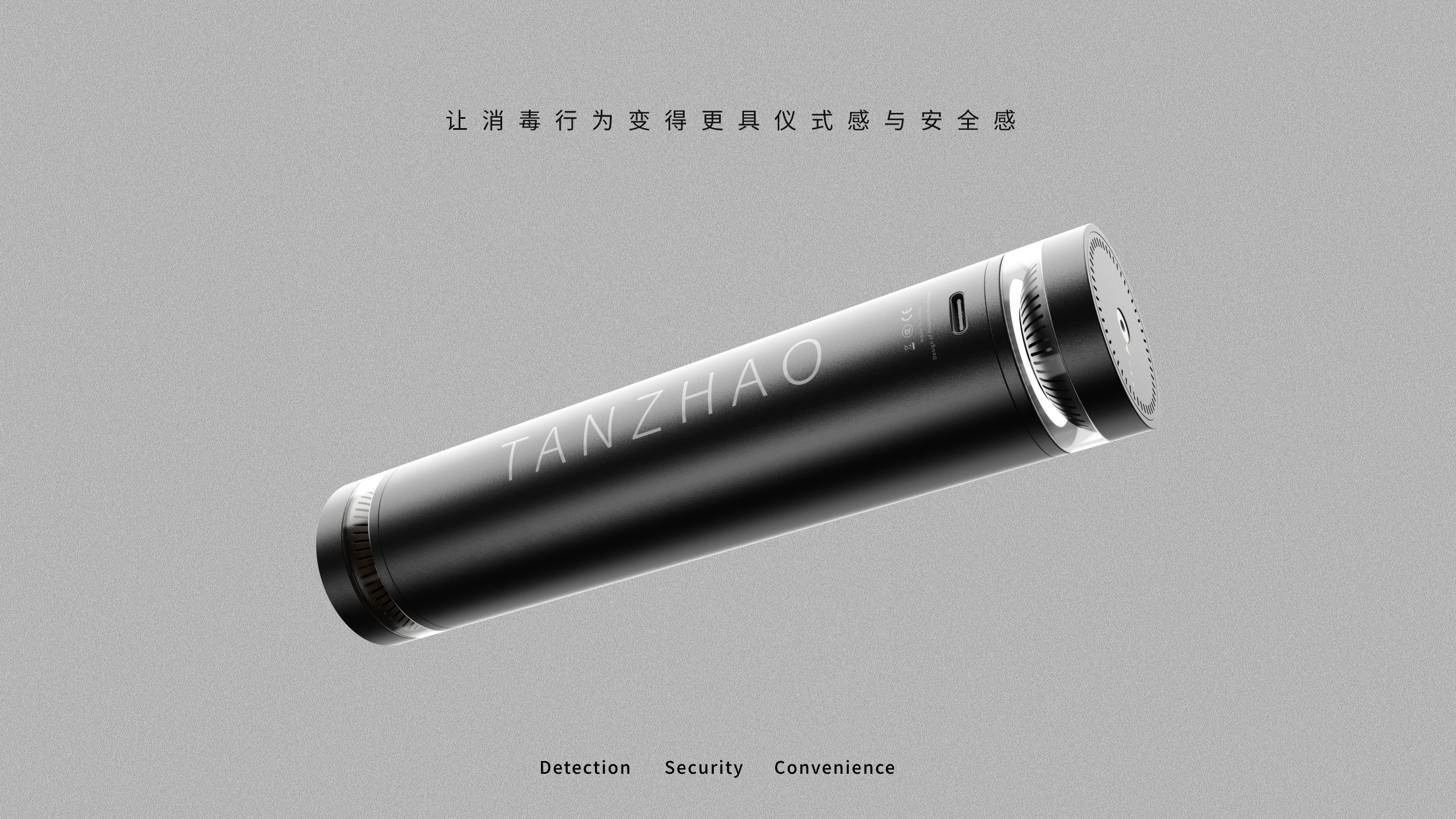
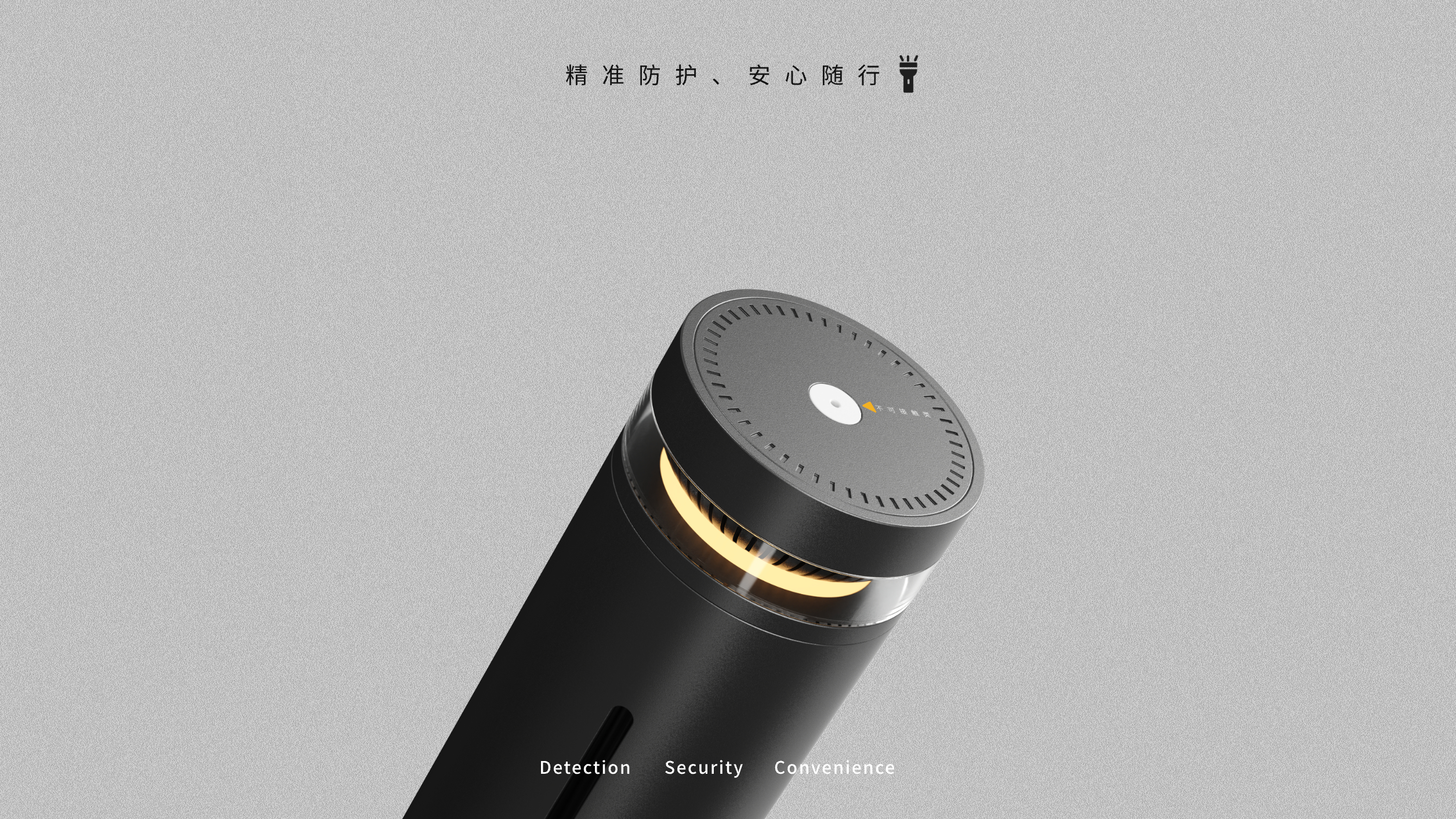




What is a sugar timer? It doesn't match your product. Haven't other templates been deleted?
The last product expression is not good, it is recommended to delete, affecting the first two
A touching taste is too heavy, which is both a good and a bad thing.
The previous plan will indeed be much better than the latter.
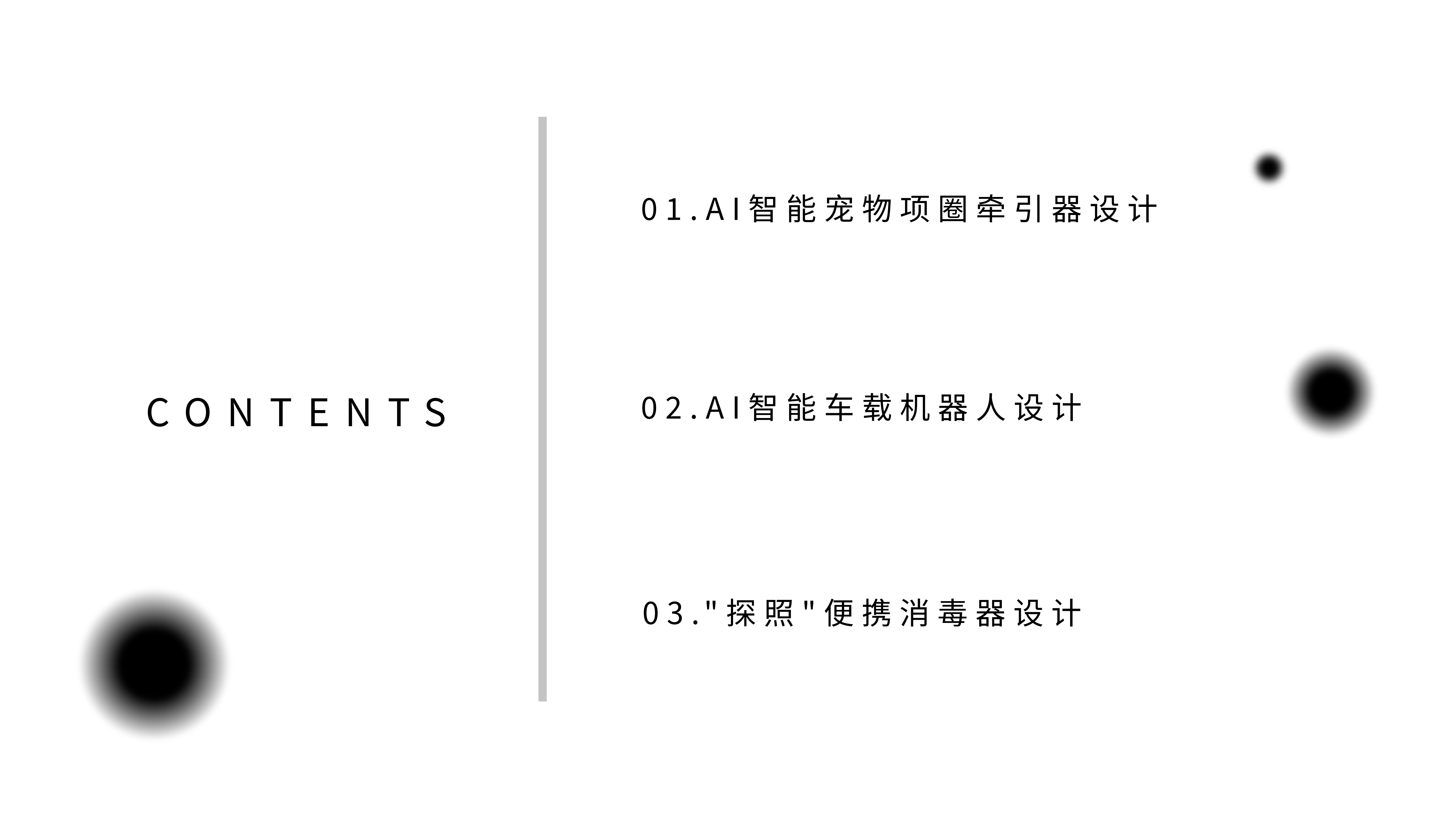
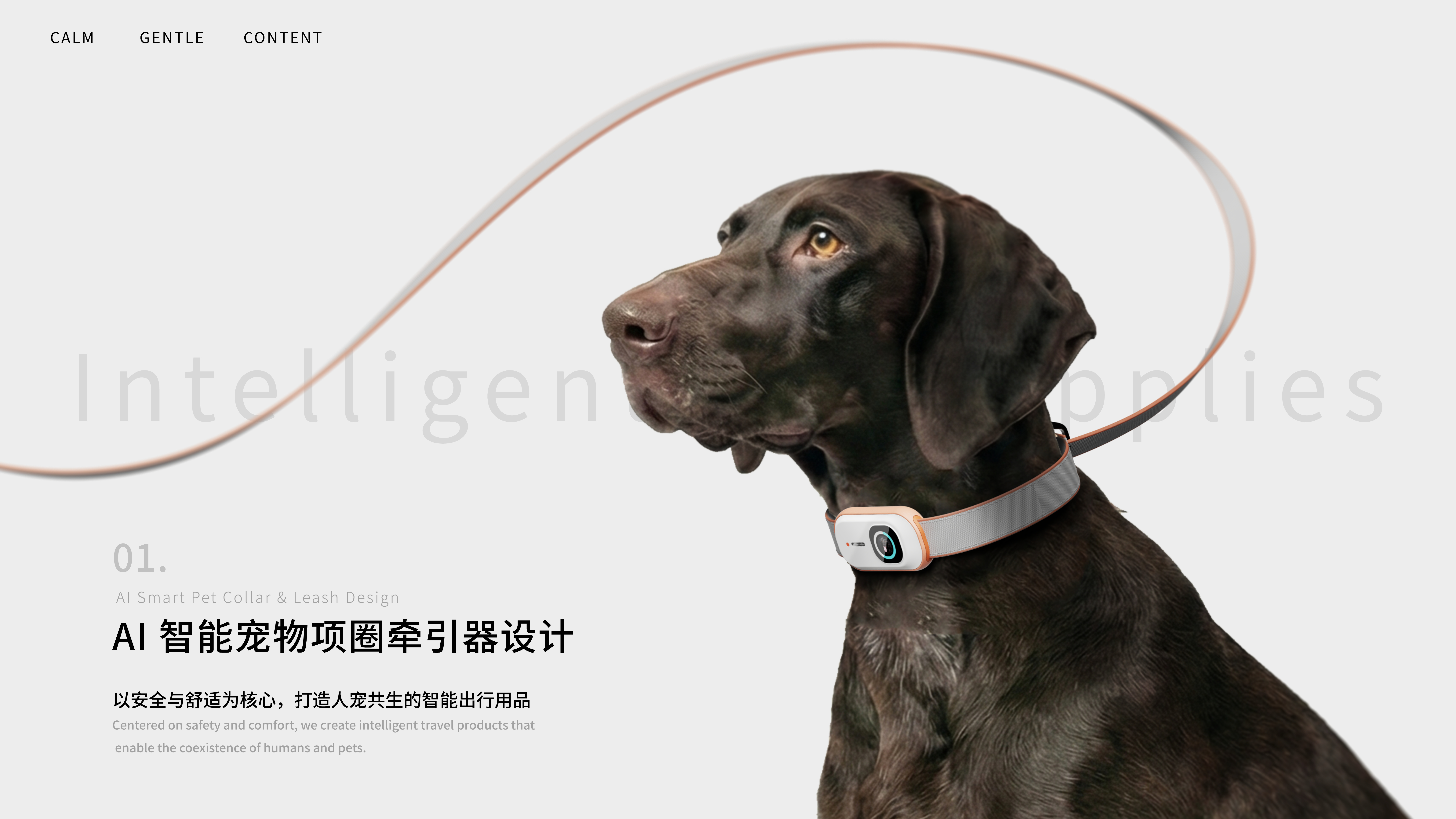
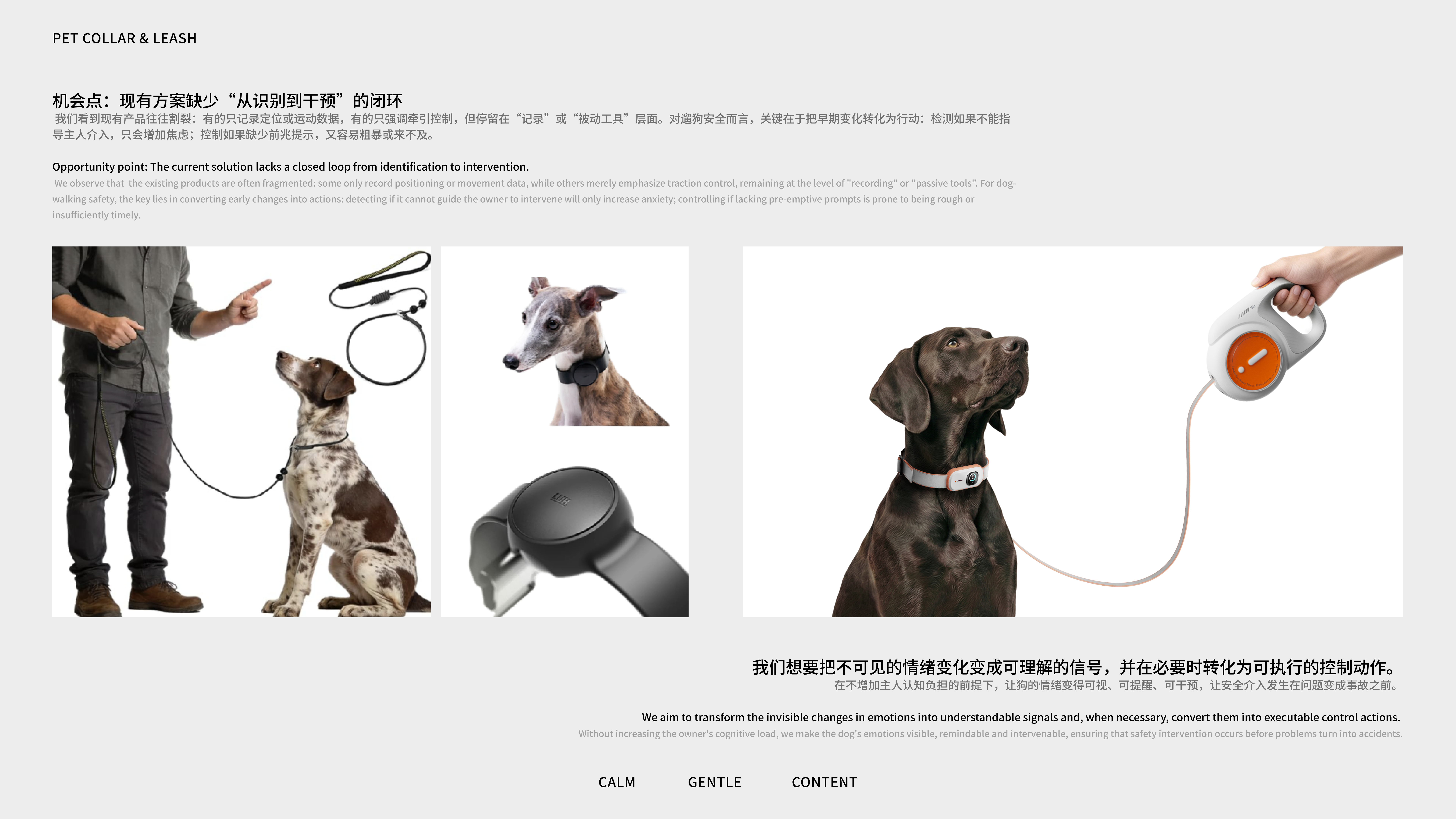
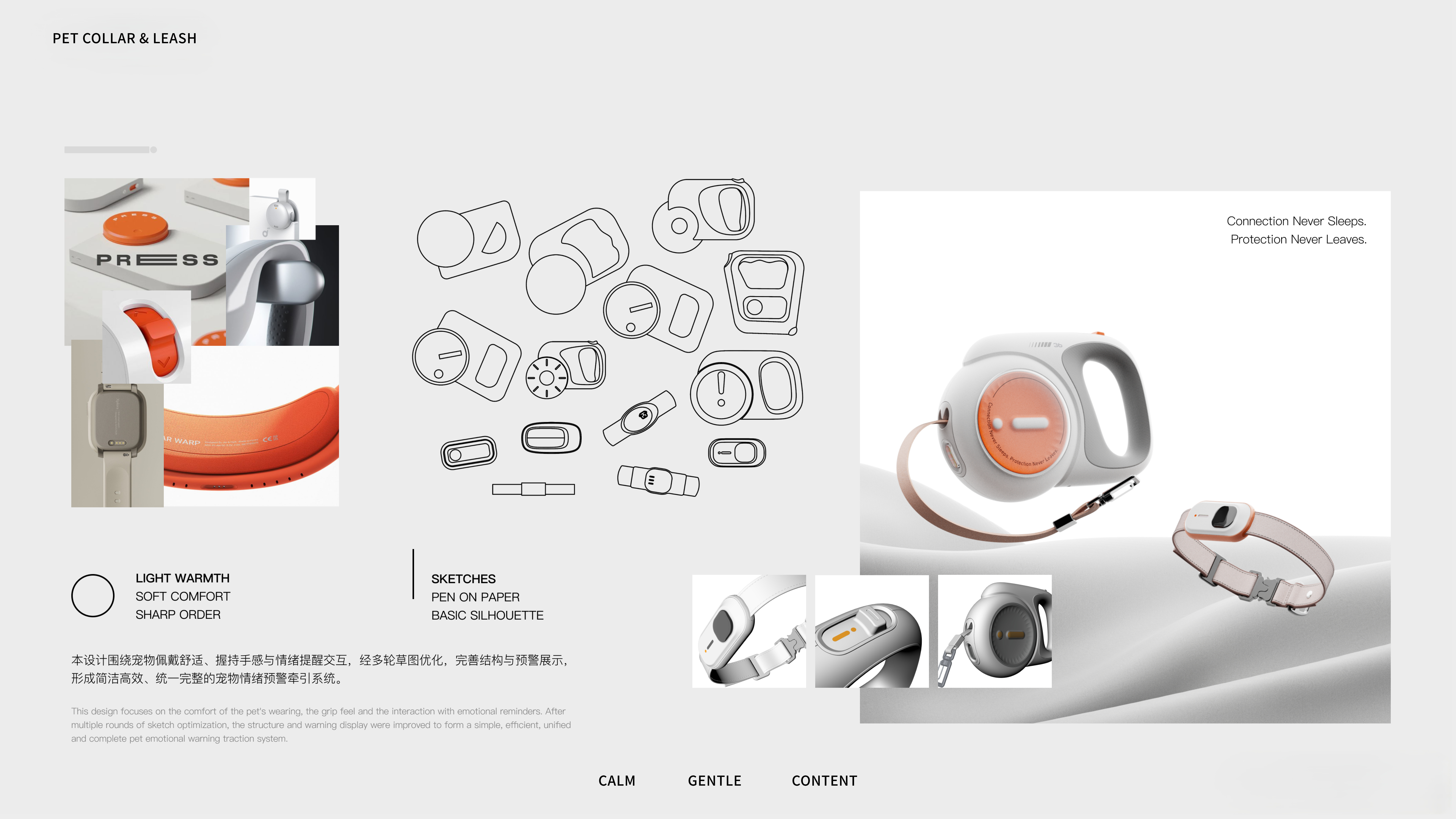
Not to mention whether it can be realized or not, assuming that it can be realized, the pain points of the user portrait scene portrait in the previous scheme are clear and the purpose is clear. The solution (assuming that it can be successful) is very good at both the product layout expression level, the product CMF and the design level, and the logic level.
When we mentioned the landing of the solution, I would like to make a point. From the typesetting of the designer, I think the landing solution is to use the PPG photoelectric heart rate sensor. The light penetrates the epidermis and is absorbed and reflected by the blood in the subcutaneous blood vessels. The heart beats → the periodic change of blood vessel blood flow → the synchronous change of reflected light intensity. The sensor captures the fluctuation of light intensity, and the chip algorithm calculates the number of heartbeats per minute (heart rate bpm). to determine whether the pet is violent.
But the pet's appearance of too much hair, the core reason for the impact of hair
Light is absorbed/scattered by the PPG. The light emitted by the LED penetrates the skin and is reflected back again. Hair (especially dark and thick hair) will absorb and scatter light like "glazed glass", resulting in weak and noisy light signals that can reach the skin and then reflect back, and heart rate data will drift, inaccurate, or even completely undetectable.
The "gap" between the sensor and the skin will prevent the sensor from sticking close to the skin, forming a tiny layer of air. Refraction and reflection of light in the air layer will also interfere with signal acquisition. The principle is the same as that of a watch without wearing it.
Different body/type of pets, heart rate index difference is very large, can not use the same set of common algorithms and standards to deal with, which is also one of the key reasons why pet PPG equipment is more difficult than human watches.
Therefore, the real idea of Scheme 1 is very good. Personally, it is suggested that heart rate monitoring is difficult to be realized on pets. It is suggested to replace the switch design with the motor function and then pull the rope. When the user finds that the pet is violent, the current of the collar is controlled by the switch of the pull rope device to stimulate the pet so that the pet will no longer be violent (for large dogs, small dogs only need to lock the stretcher with one key. Small dog users also have better control)
The front is done by the training class, and the back is done by oneself
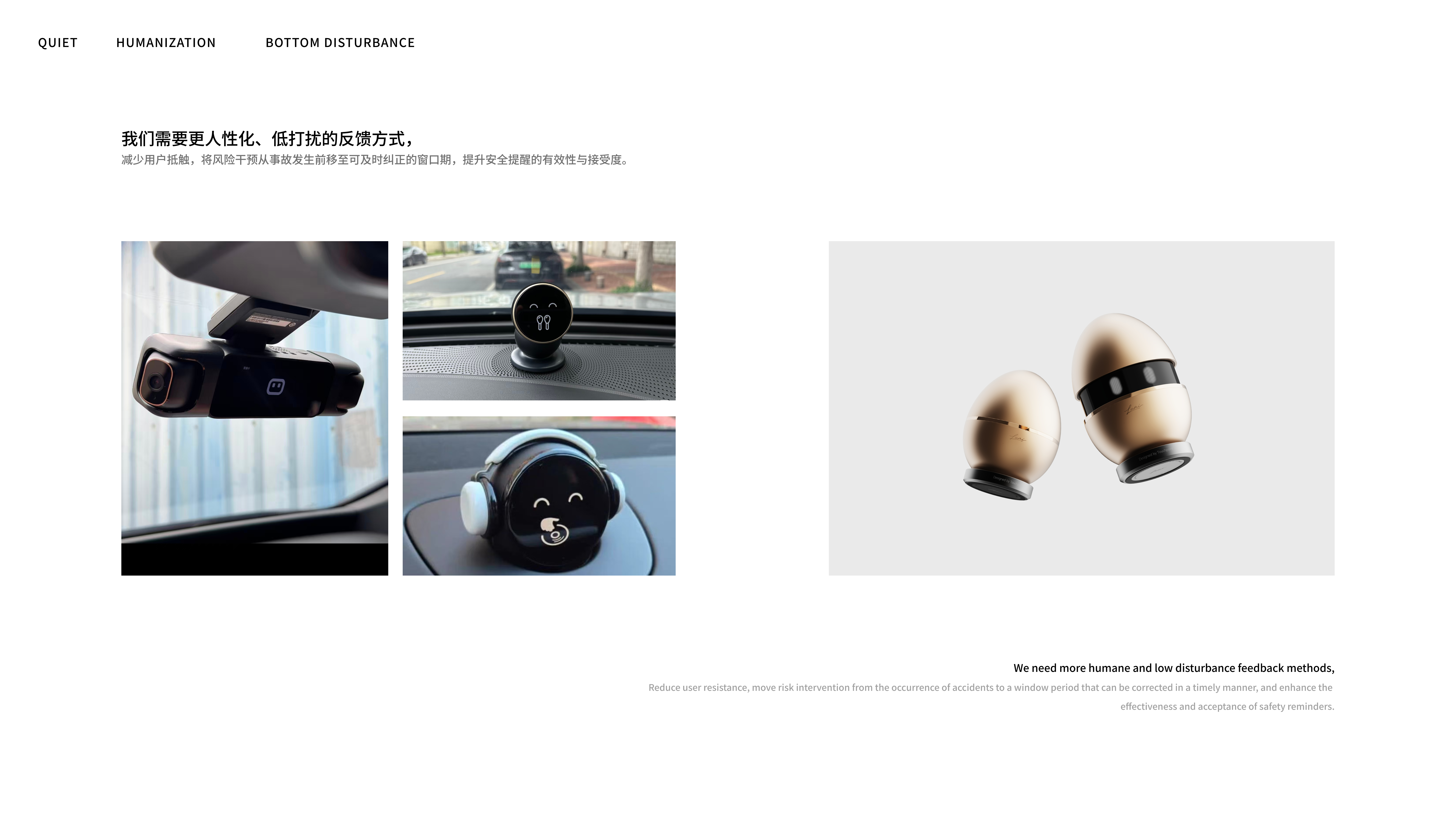
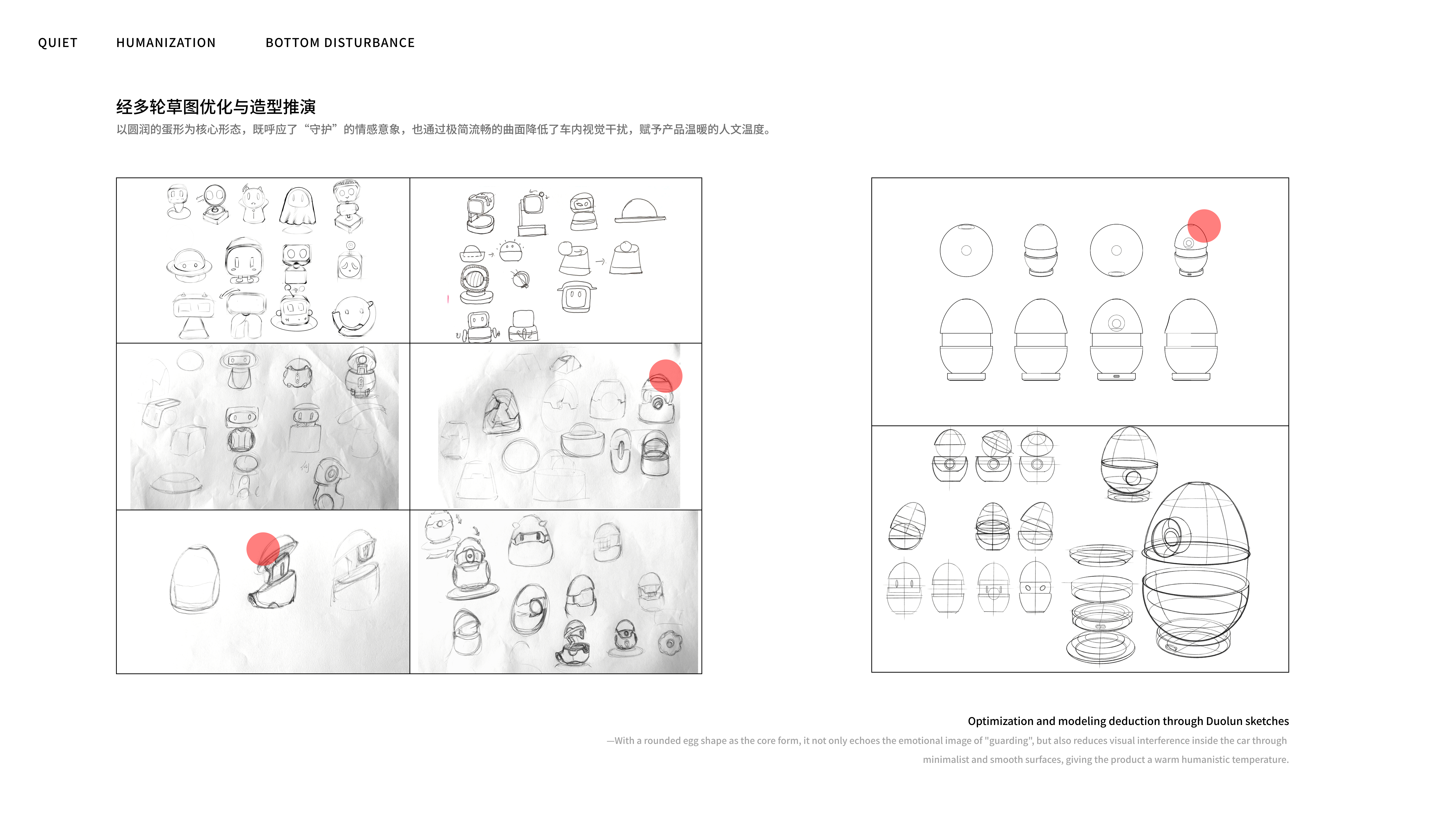
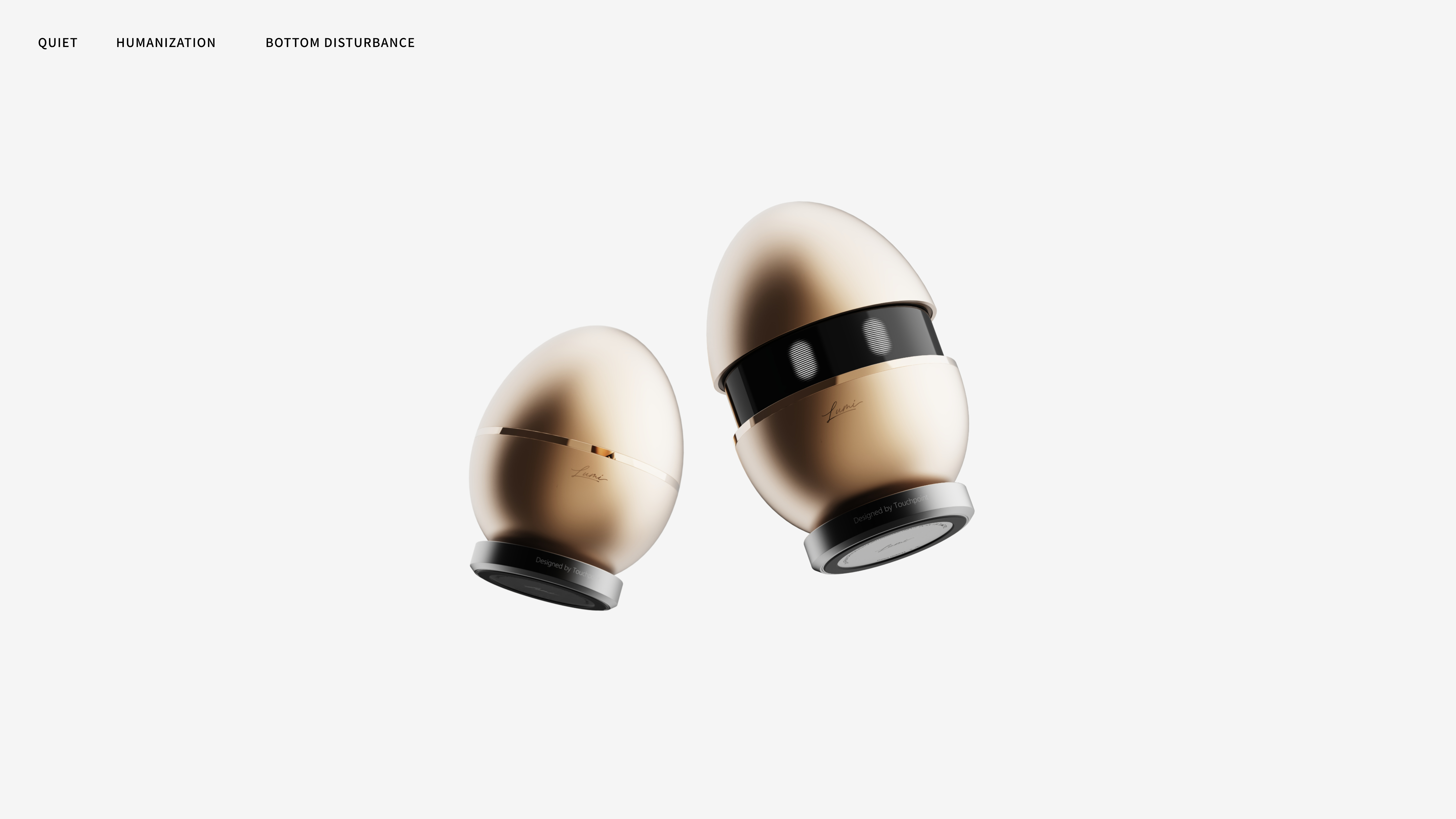
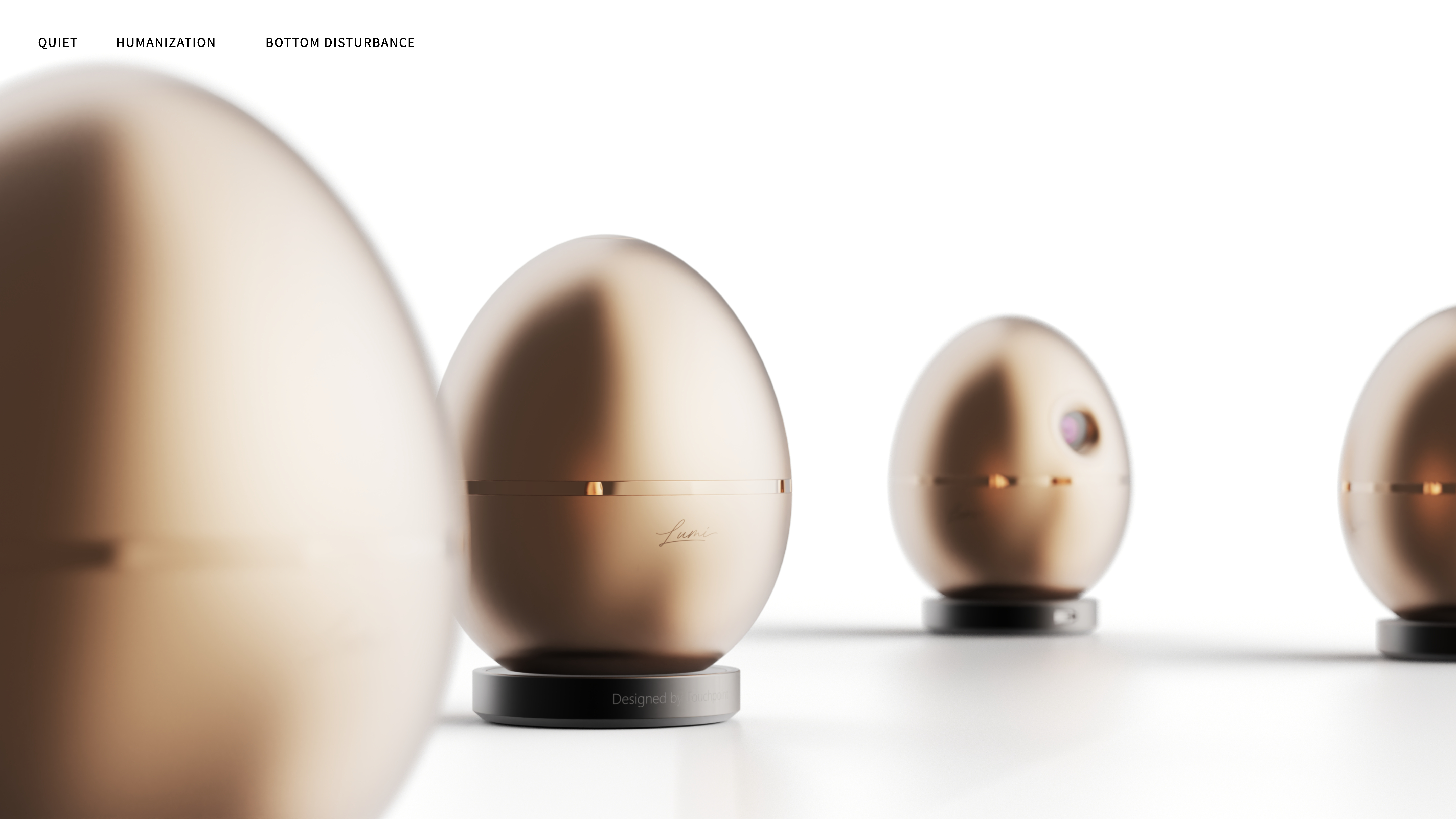
Good idea of eggs.
It is suggested to delete the last one, which is too different from the previous work
Just graduated this work can be
It is recommended to delete the last one.
yifeeling?
Cool🆒
Keep it up!
wonderful
Not bad
The work is really good