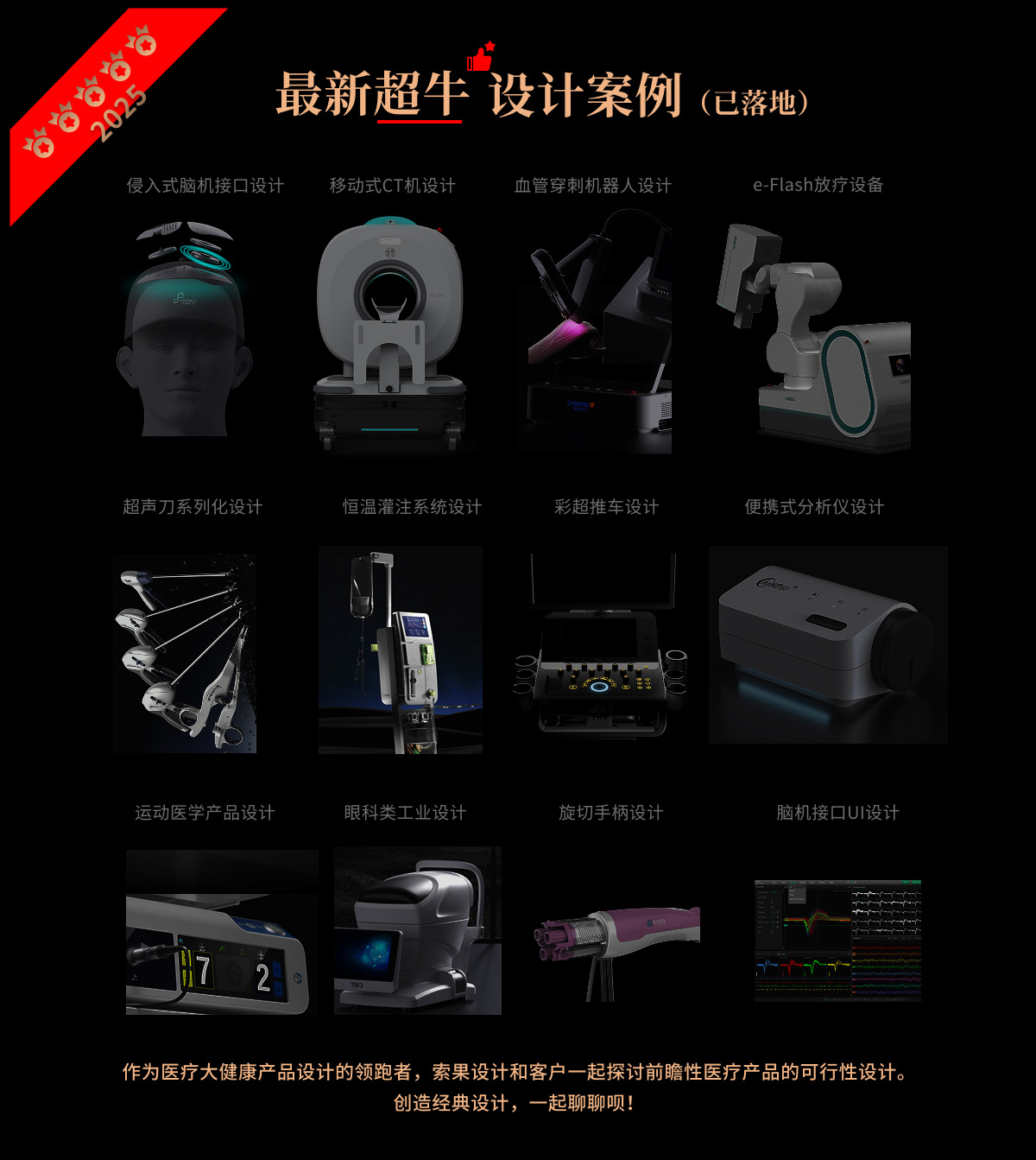
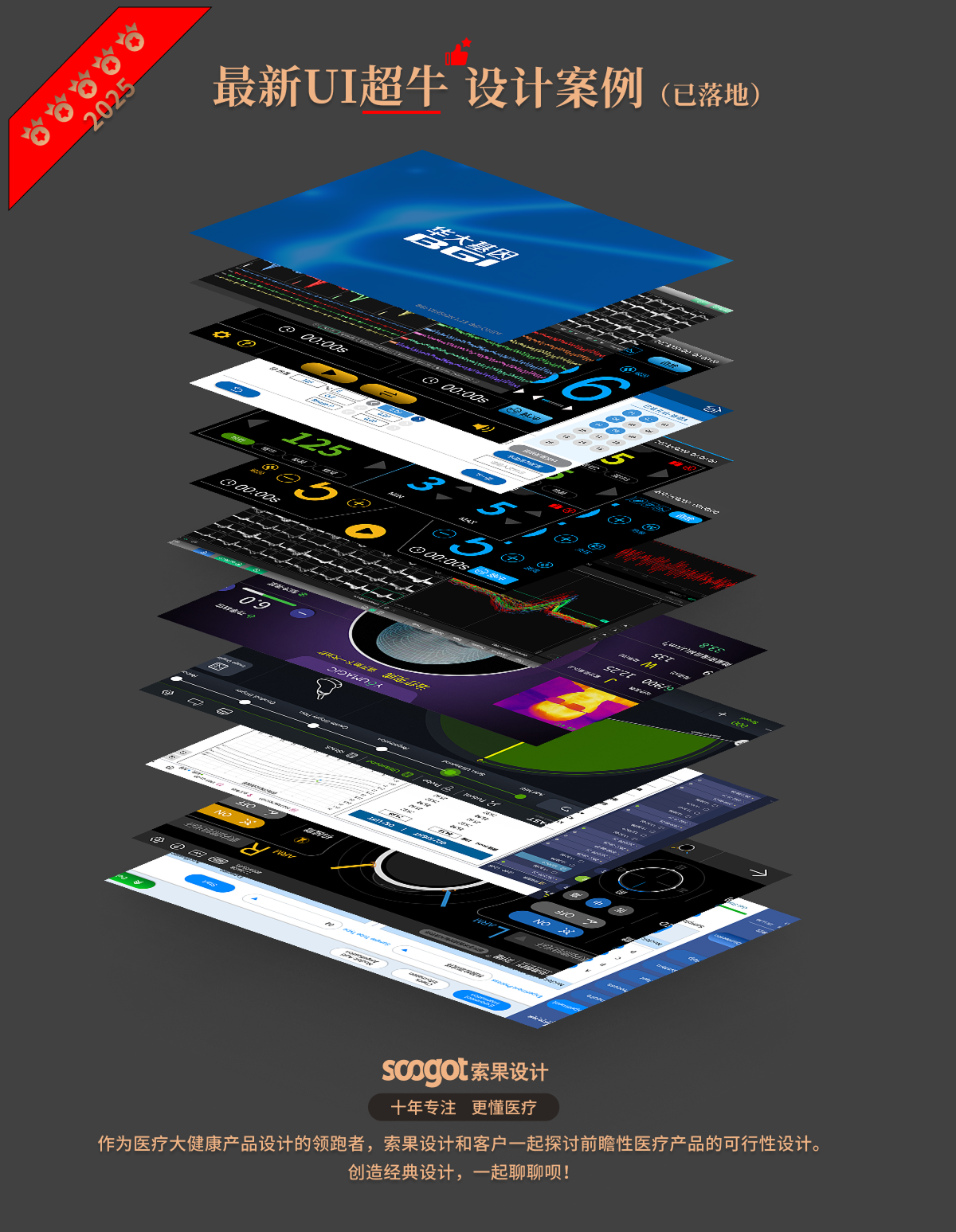
Sogo Design... Ten years of focus on medical health the only track.
Cooperative customer: minimally invasive medical equipment design
Cooperation content: design analysis | appearance design | structural design | prototype production | accompanying running assistance
In the field of minimally invasive medical treatment, the design of equipment is not only the carrier of function, but also the concrete expression of "precision medicine" and "humanistic care. This set of minimally invasive medical equipment, covering handheld components and host systems, from design language to detail processing, shows the depth of industrial design in medical technology products. The following is an analysis from the four dimensions of design analysis, design language, design details, and ergonomics.
1. Design Analysis: The Balance of "Professional Rigor" and "Operation Friendly" of Medical Equipment
Minimally invasive medical equipment is for the operating room, clinical diagnosis and treatment and other high-precision scenes, need to meet the dual needs of professional reliability and ease of operation. This set of products builds the core visual logic with "rational geometric modeling black, white and gray classic color matching", which not only conveys the rigor in the field of medical science and technology, but also reduces the operational burden of medical staff through humanized form and interactive design, and realizes the value closed loop of "science and technology serving medical treatment and design assisting diagnosis and treatment.
From the perspective of the user group, most of its users are surgeons, nurses and other professional medical personnel, and they have extremely high requirements for the "accuracy", "ease of operation" and "anti-interference" of the equipment. Through a modular product architecture (handheld operator and host control), the design team makes the division of functions clear and efficient, while ensuring the coherence of vision and operation logic between devices with a unified design language, providing clear tool support for complex minimally invasive diagnosis and treatment scenarios.
2. Design Language: Medical Science and Technology Expression under Rational Aesthetics
1. Morphological Language: Functional Metaphor in Geometric Order
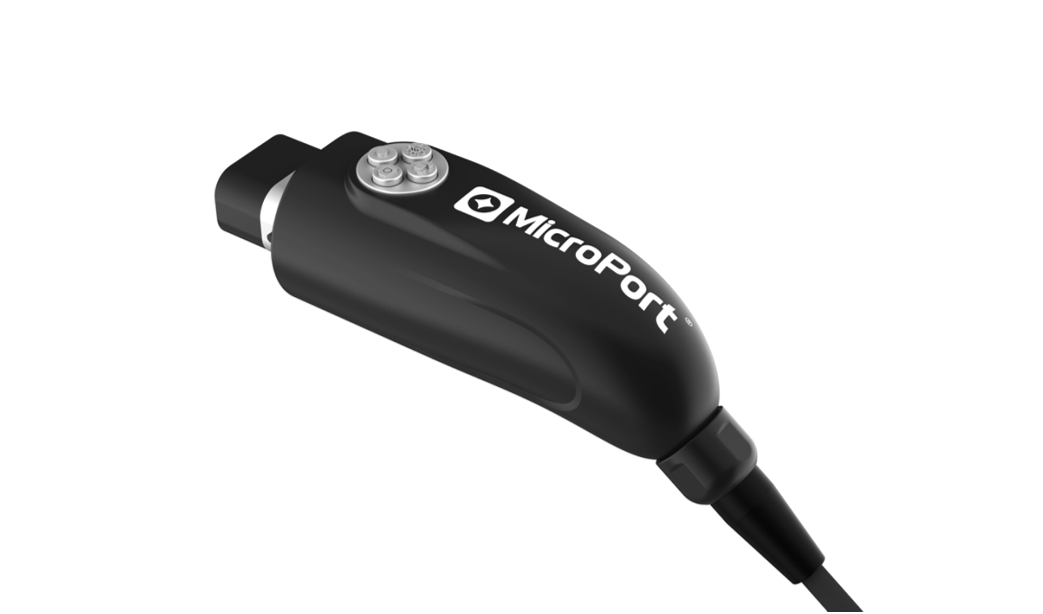
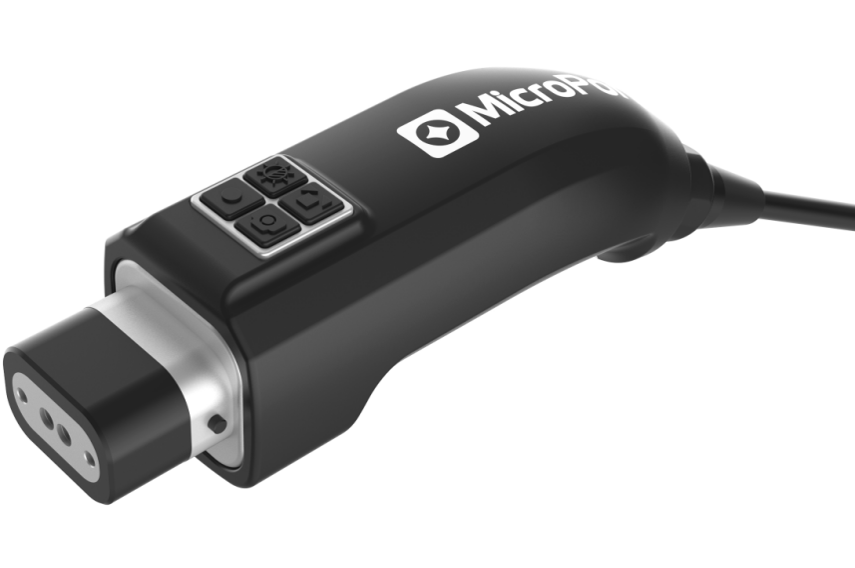
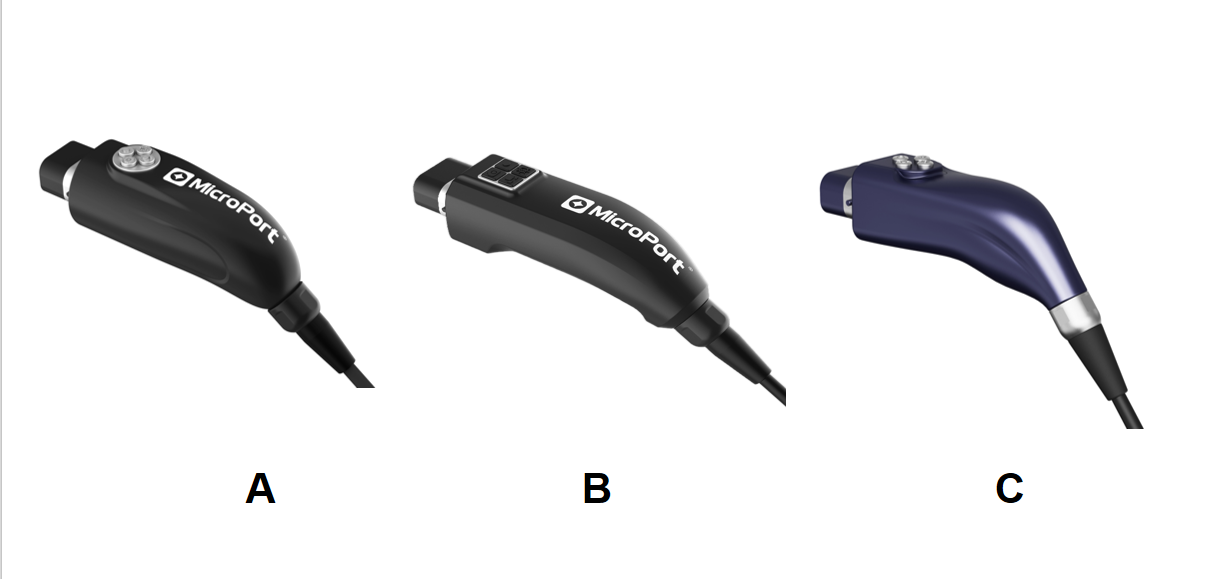
Handheld components: the streamlined "pistol-like" form is adopted, which not only fits the physiological structure of the human hand, but also transmits the functional attributes of "precise control" through compact geometric modeling. This form is not a deliberate visual design, but a morphological response to the functional requirements of "minimally invasive operation needs to be stable and flexible.
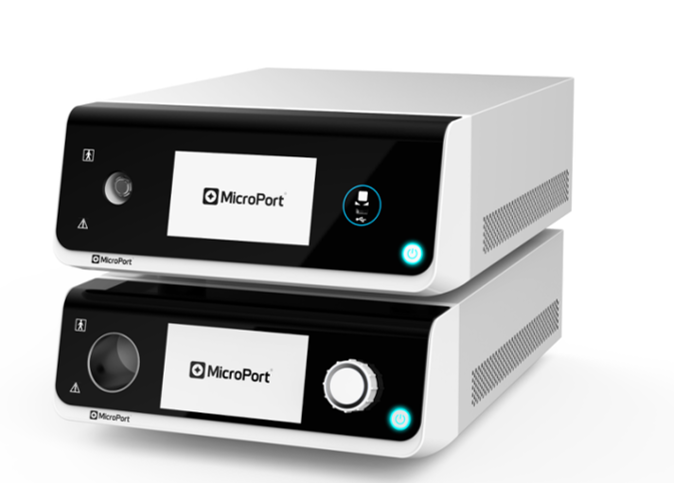
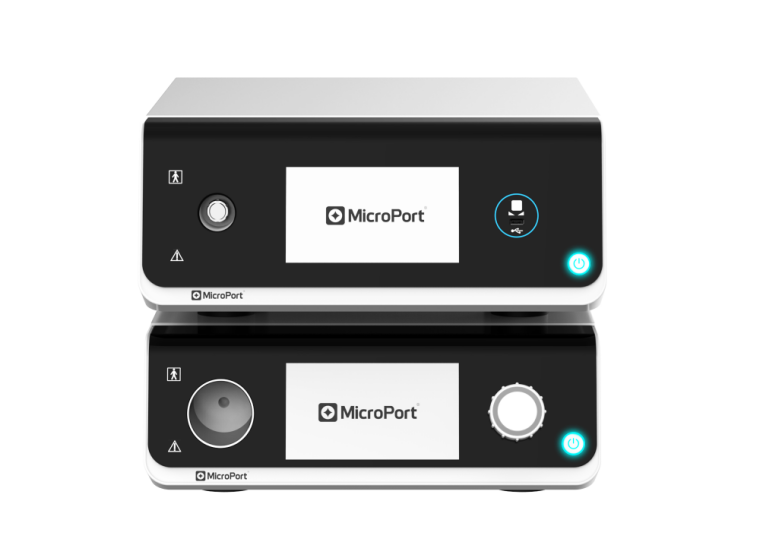
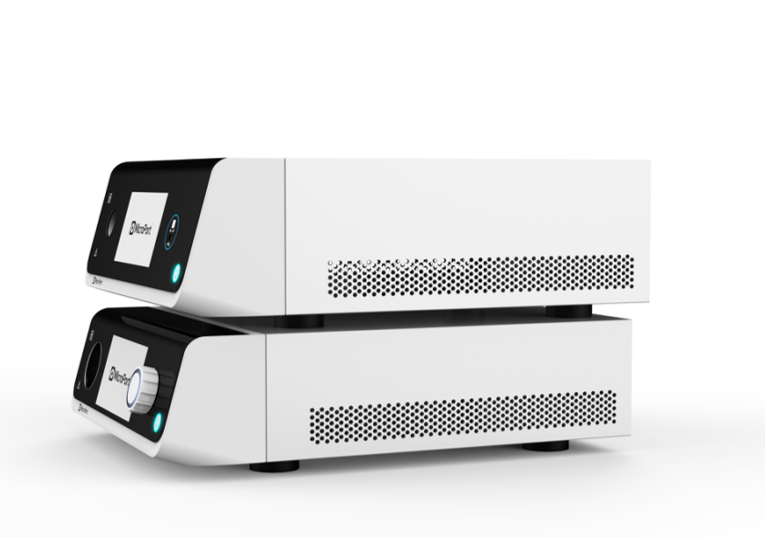
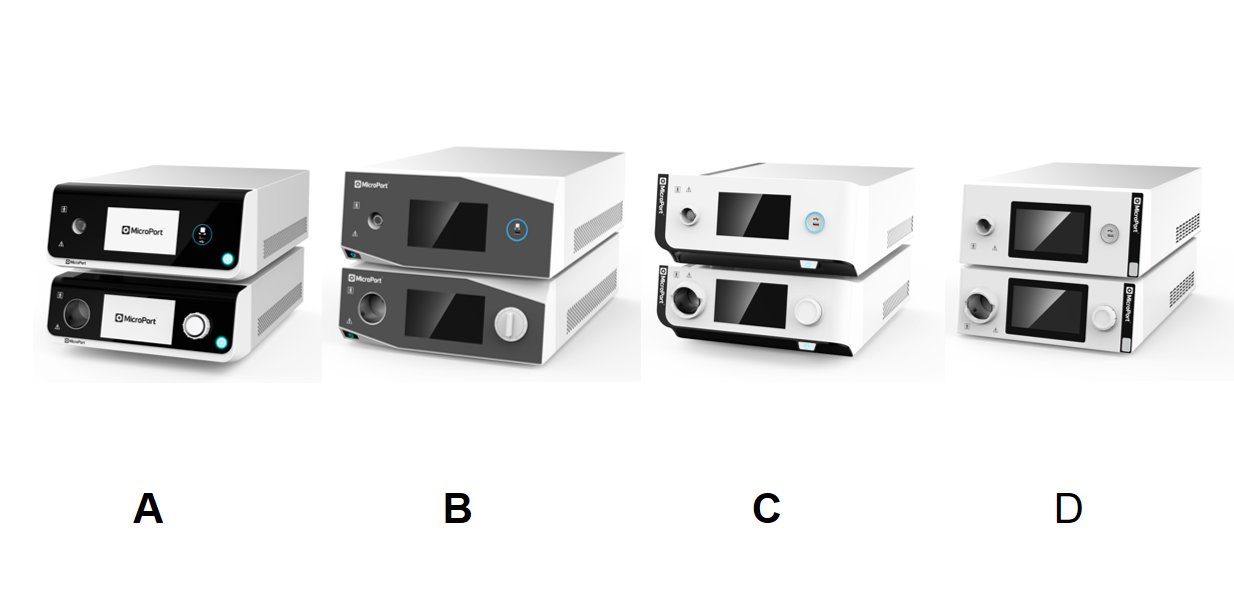
Host system: based on the simple cube form, through the top and bottom stacking layout to achieve functional modularization (such as hierarchical integration of different diagnosis and treatment modules), transfer "efficient integration, orderly and controllable" equipment characteristics, in line with minimally invasive medical requirements of "system precision.
2. Color language: black and white gray medical narrative
The whole set of equipment to black (handheld parts), white (host body), gray (interactive area) as the core color system:
The black hand-held parts convey the medical scene requirements of "professionalism, anti-pollution and easy cleaning", and at the same time strengthen the "tool attributes" of the operating end, so that medical staff can quickly identify the core operating equipment during surgery;
The main body of the white host conveys the "clean and safe" medical space characteristics, which is highly compatible with the environmental visual logic of the operating room;
The gray interaction area (such as the black operation panel of the host) implies the technological attributes of the "control center" and forms a visual mapping of "function-color.
3. design details: see medical ingenuity in the micro
1. Interactive Design: Details Support for Precise Operation
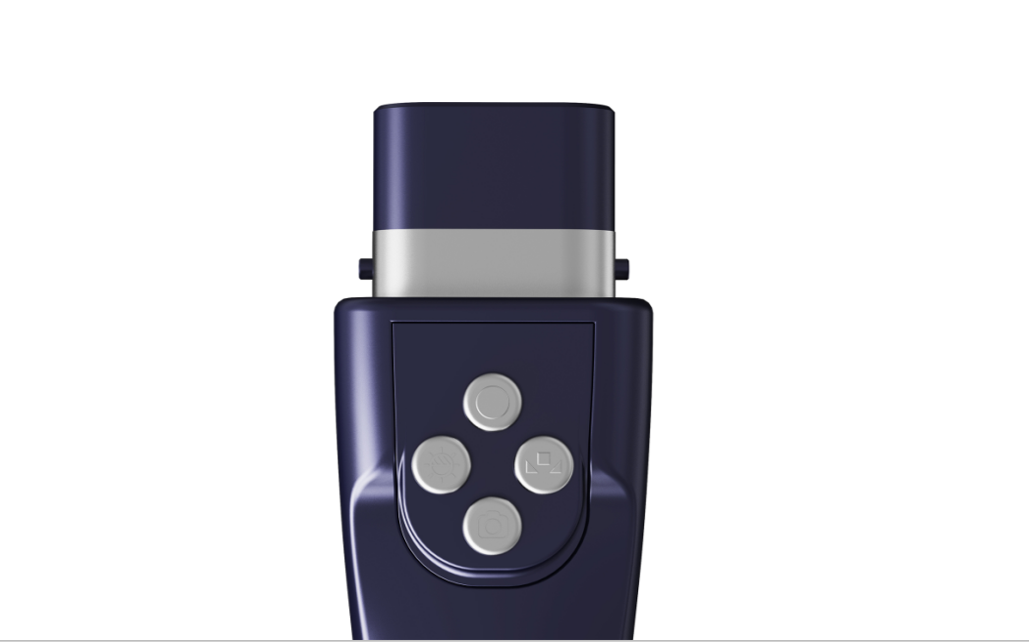
The key area of the handheld component: a multi-key layout with metallic texture is adopted, and the key size and spacing are precisely designed, which not only prevents operation errors caused by accidental touch during the operation, but also enables medical personnel to quickly perform function switching through "blind operation", which is crucial for minimally invasive diagnosis and treatment scenarios where every minute counts.
The interactive interface of the host: combined with the touch screen and the physical knob, the dual interactive logic of "digital precise adjustment of mechanical tactile feedback" is formed. The touch screen meets the visual setting of complex parameters, while the physical knob is suitable for scenes that require "delicate adjustment" such as power and flow, taking into account the "accuracy" and "sense of operation" of medical operations ".
2. The fusion expression of brand and function
the brand logo of "sogot" appears repeatedly on the handheld components and the mainframe, which not only strengthens the medical professional image of the brand, but also enables the medical staff to quickly identify the equipment attribution and function logic in the multi-equipment parallel diagnosis and treatment scene through the unified visual symbol. The logo font is simple and modern, highly compatible with the cutting-edge attributes of medical technology, and the details convey the brand's technical accumulation in the field of minimally invasive.
3. The hidden value of materials and processes.
From the appearance texture, the product uses medical-grade disinfection-resistant materials and high-precision mold technology:
The black shell of the hand-held parts shall have the characteristics of corrosion resistance and easy disinfection (such as alcohol resistance and high temperature disinfection) to ensure the sterility requirements of the operation scene;
The white shell of the host focuses on the fineness and abrasion resistance of the texture, and can still maintain visual cleanliness after long-term use, which meets the scene requirements of "long life cycle and high use frequency" of medical equipment.
4. Ergonomics: Experience Design with Medical Scenario as the Core
1. Handheld parts grip friendly
The shape curve and size of the hand-held parts strictly follow the physiological structure of the human hand. Whether it is the fit of the palm or the operating range of the fingers, they have undergone repeated man-machine tests. Even long-term holding operation can minimize hand fatigue, which is a key design to ensure operational stability for minimally invasive surgery with long duration.
2. Scenario adaptability of host operation
The stacked layout and operating height of the host fully consider the space utilization of the operating room and the operating posture of the medical staff. Medical staff can complete equipment debugging in a natural standing/sitting position without bending over or stretching their limbs greatly. This design not only improves the operation efficiency, but also reduces the risk of occupational strain of medical staff.
3. The practicality of cables and interfaces
The cable design of the handheld component (it can be seen from the rendering that the cable is regular and the interface is firm) not only ensures the range of movement of the device during the operation, but also avoids the hidden dangers of cable entanglement and loose interface. Although this detail is not conspicuous, it can reduce the risk of equipment failure in high-pressure surgical scenarios, which is a typical embodiment of ergonomics "scenario-based safety considerations.
Conclusion
The design of this set of equipment for minimally invasive medical treatment is a model of the deep integration of industrial design and medical technology. It takes "rational aesthetics" as the skeleton, "user experience" as the flesh and blood, and "medical ingenuity" as the soul, sublimating minimally invasive equipment from "cold surgical tools" to "precise partners of medical staff". In every design decision of form, color, detail and man-machine, we can see the two-way rush of "medical precision" and "humanistic care"-this is the core proposition of modern medical equipment design: to make scientific and technological diagnosis and treatment more accurate and to make medical operation warmer. SOGOT DESIGN: www.soogot.com







ergonomic
Improve surgical adaptation