Product use function and field
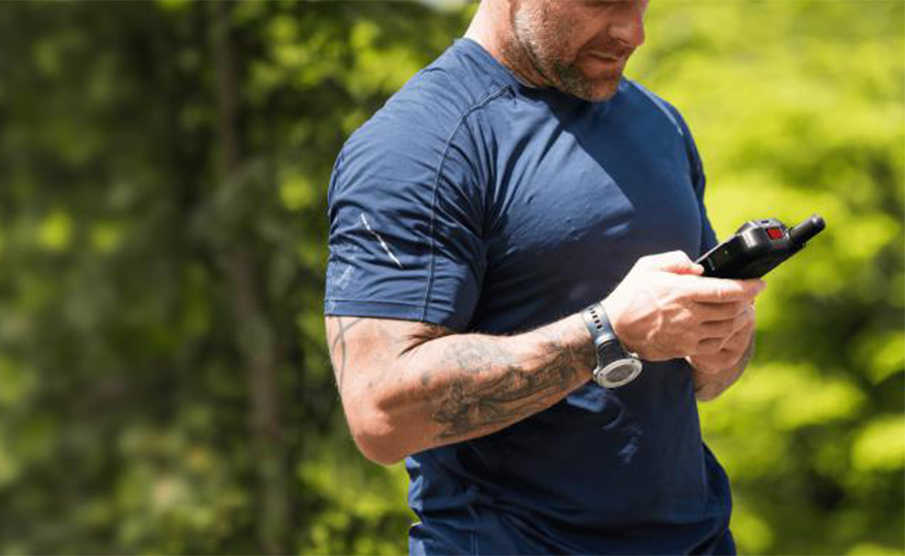
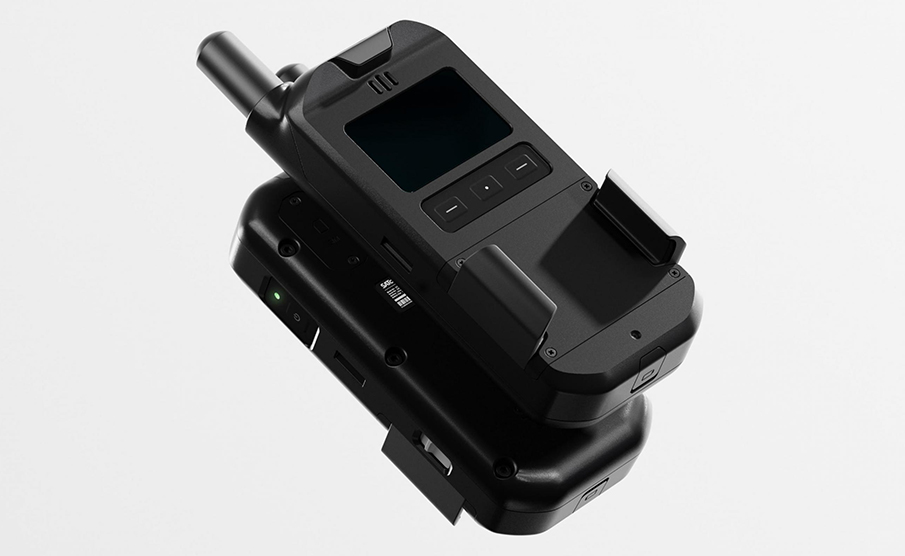
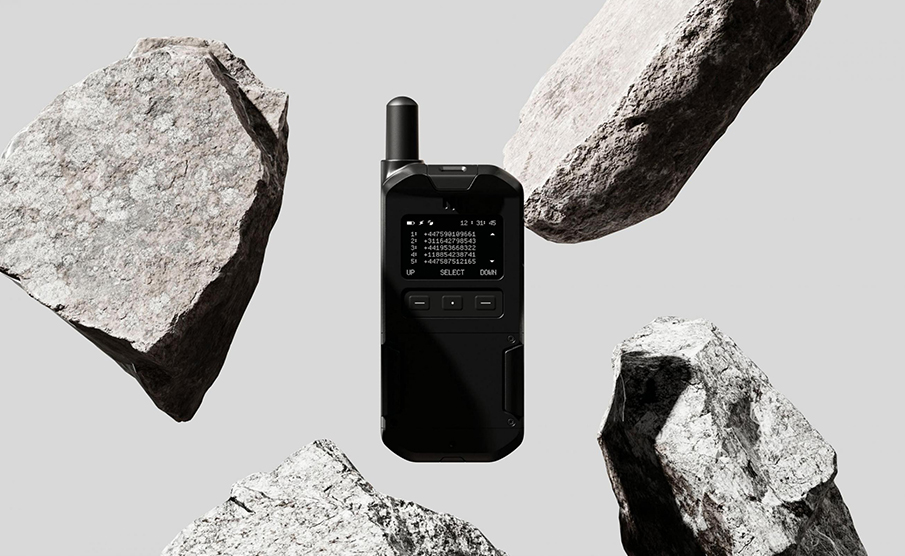
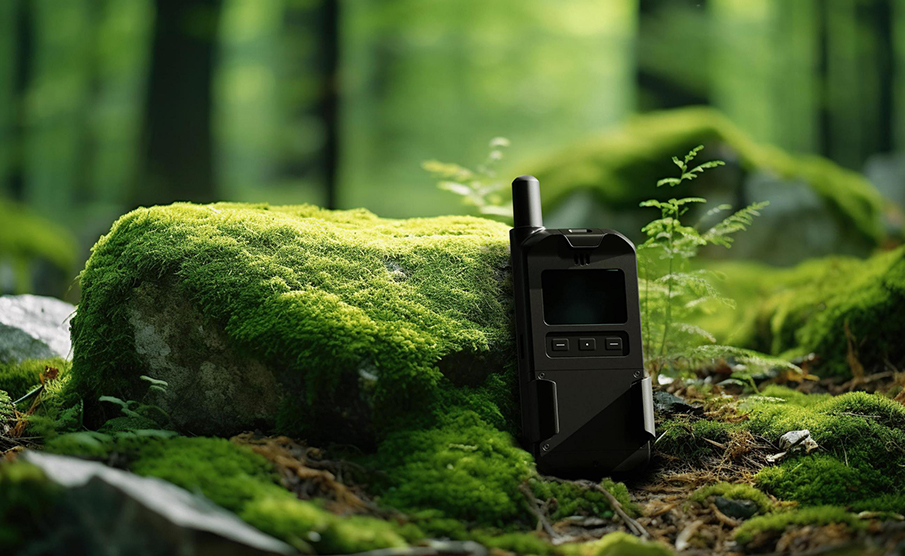
IDC UK worked closely with a leading satellite communications company to develop a satellite phone case device. The phone shell will connect to multiple satellites with global coverage to provide voice and data services around the world, connecting people and devices in the most remote parts of the world.
The satellite mobile phone shell device can be used as a network hotspot for the mobile phone to connect to the satellite, or it can be used alone, that is, when the user's mobile phone runs out of power, contact the pre-installed number and make an SOS call. The housing device can locate the geographical position of the user. In an emergency, the user can be found and rescued by rescuers, so there is more safety.
The satellite phone case device is designed for adventurers and remote workers to keep in touch with the rest of the world.
The satellite handset unit will be used in the JUN, search and rescue, aviation and navigation fields, each of which has its own specific design needs.
Product design requirements and characteristics
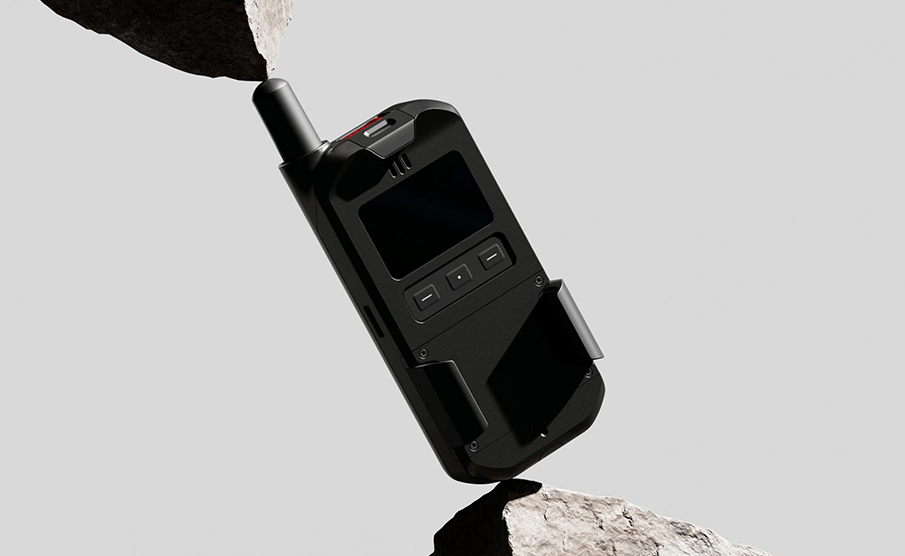
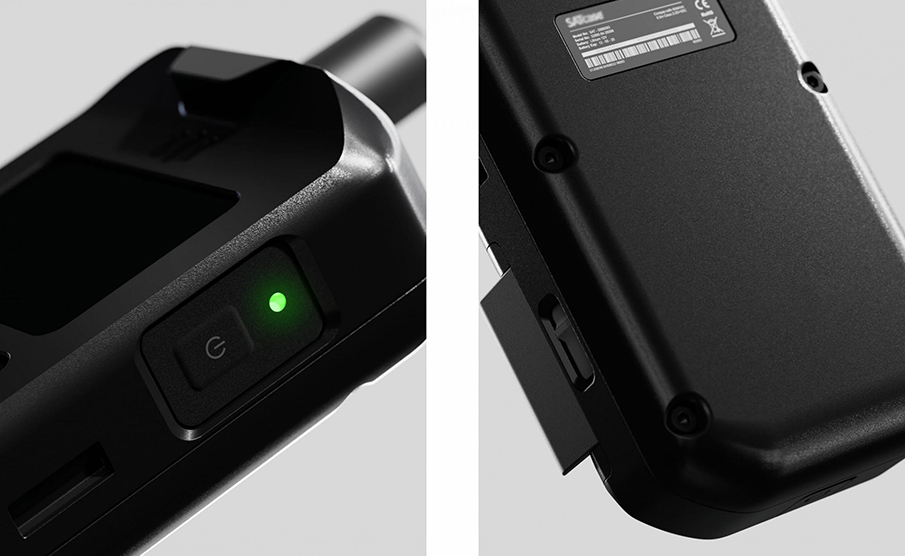
Its design is durable and can withstand the harshest conditions. Its protection level reaches IP68, which is not only dust-proof but also able to withstand immersion in water at a depth of 1.5 meters for 30 minutes.
It is manufactured in accordance with JUN standards and has passed rigorous MIL-STD-810 tests, which determine the equipment's ability to withstand different temperatures, shocks, vibrations and humidity.
Its use is also carefully considered, and the design simplifies the interaction steps for effective use in emergency situations. IDC also studied and presented a series of other interactive features in the design, such as installation in cold conditions and button operation.
1) Test and iteration of the design using IDC's in-house model making expertise
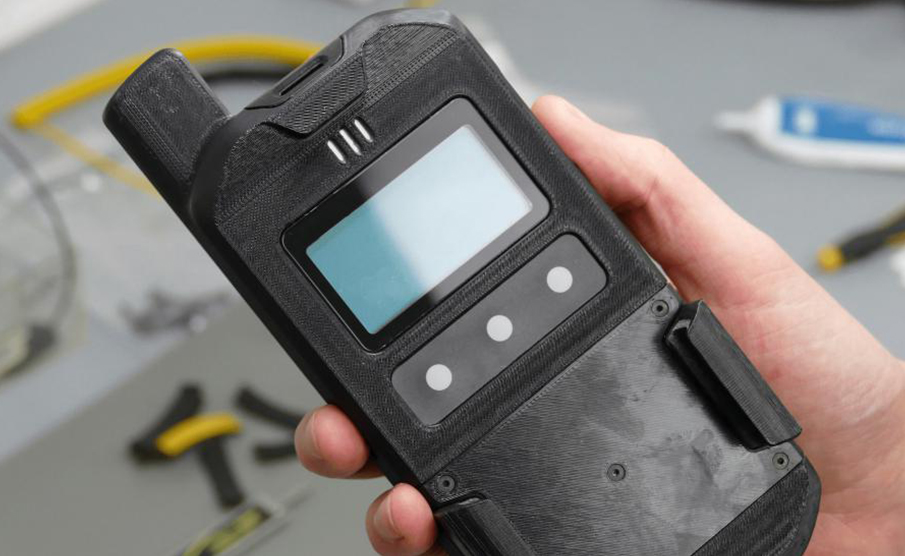
The design and development process planned by IDC for this project should meet the needs of users and meet the functional reliability of the product. The design process begins with sketch exploration, quickly conceiving and designing the direction for the shell product to move to the next step.
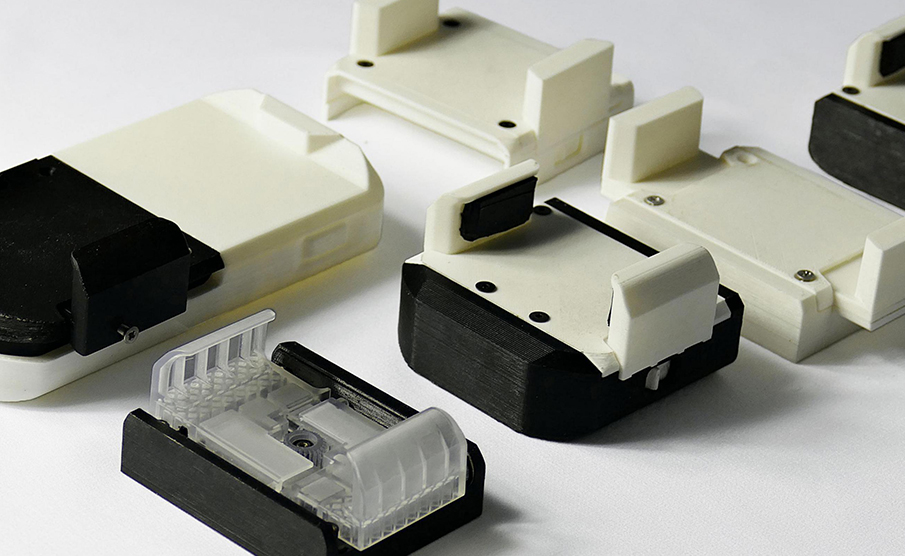
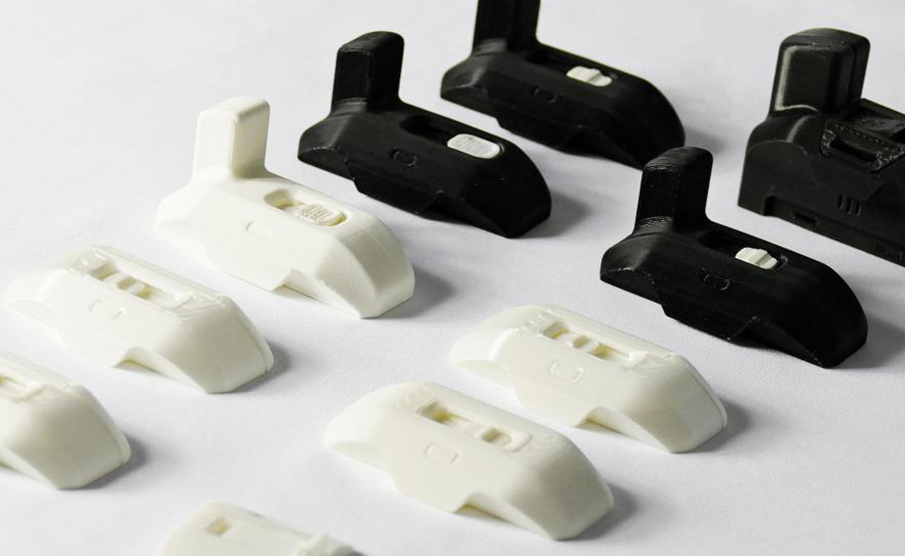
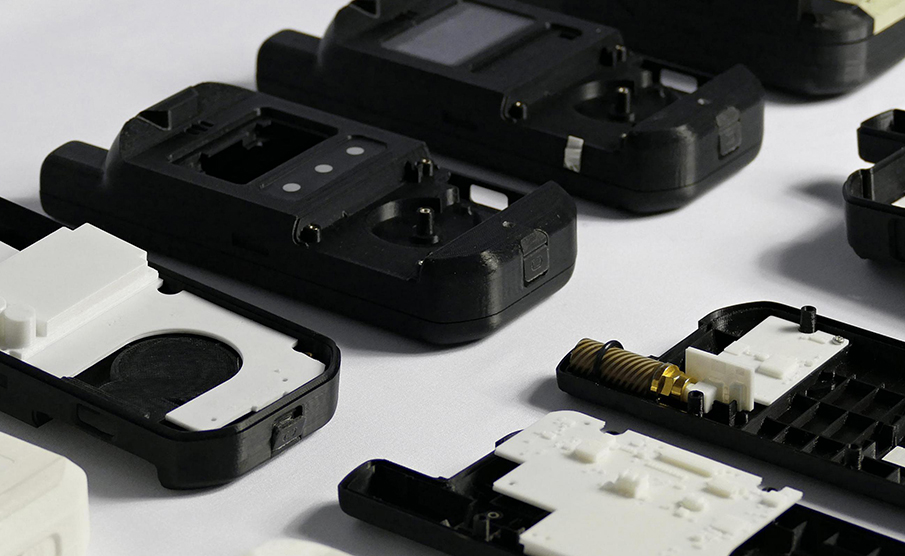
Conceived ideas are validated and tested through multiple sets of models produced by the company's in-house modeling workshop. This ensures that the optimal direction is preferred at each stage of the design process.
2) Prototyping and testing to ensure compliance with SAR safety requirements
One of the requirements of the satellite phone case project is to integrate the antenna into the housing so that users can make calls without pulling out the antenna.
However, integrated antennas also create a problem: these antennas radiate due to their high power output. Since the user's head is close to the antenna, a specific absorption rate (SAR) test is required to ensure the user's safety.
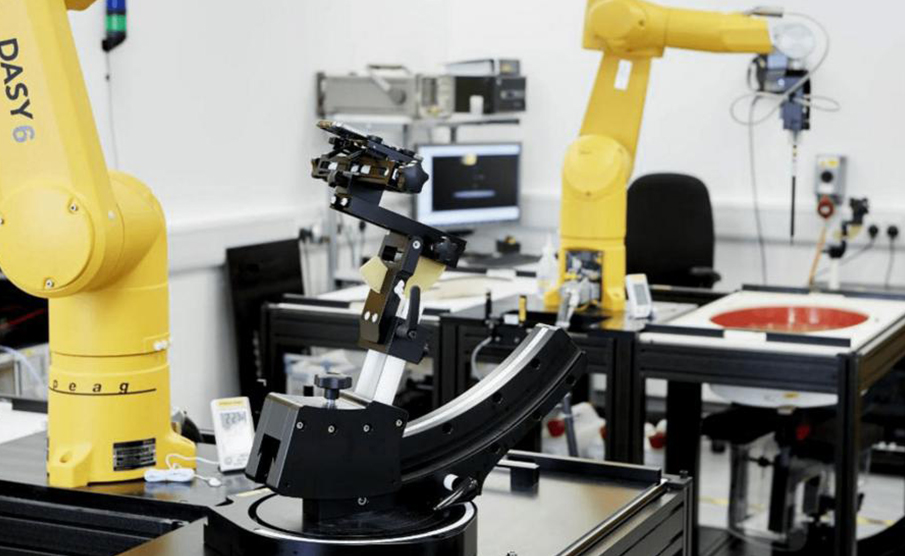
IDC has specially produced a test bench to adjust the proximity of the antenna to the head in the housing and the material properties of the housing to achieve a balance of product size, performance and safety.
In addition, the performance test of the antenna was carried out in an anechoic room before the actual use of the call.
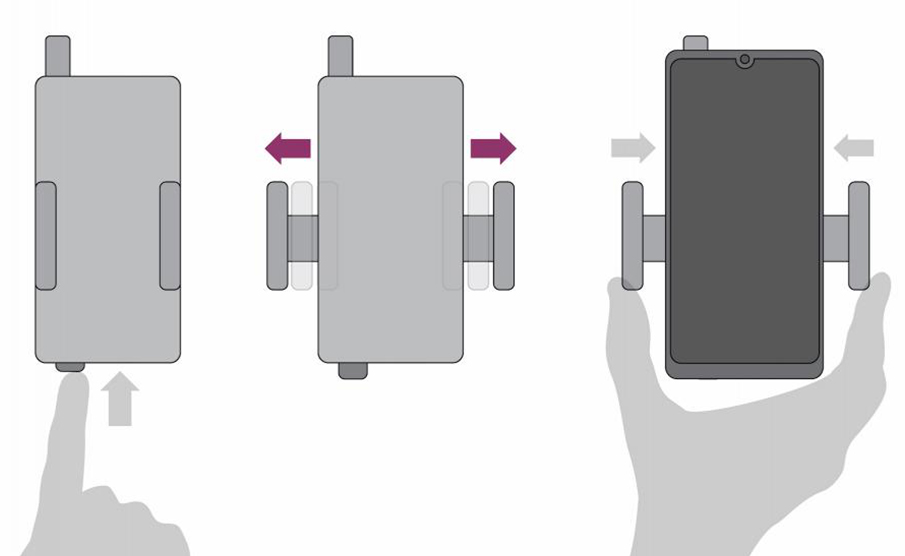
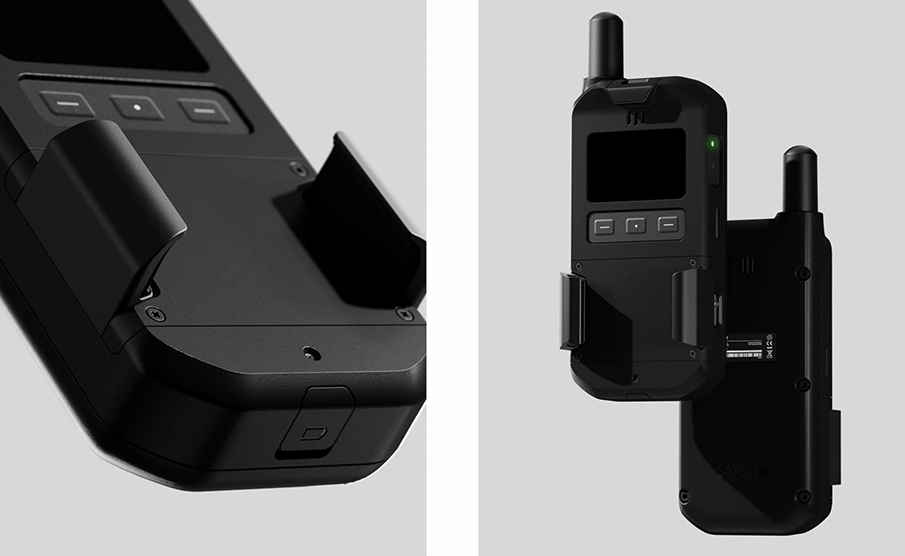
One of the key features of the satellite phone case is to accommodate the user's smartphone. It is designed for extreme and fast-paced scenes, and the clamping structure must be sturdy and durable, while providing a better user experience.
The IDC team in the UK built a solution for the robust construction of the equipment to resist sand and dust.
The structure contains a locking feature that can maintain the proper pressure while being easily unlocked. Some key features of the design take into account the compatibility of different sizes of mobile phones. The smallest device can support iPhone 12 Mini and the largest device can support Samsung S21 in Juggernaut Case.
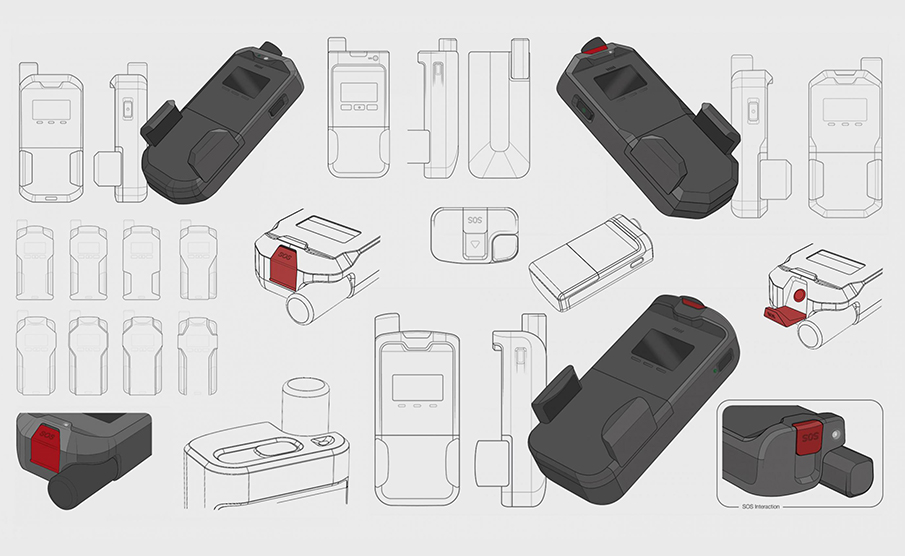
The IDC team carefully considered the user's interaction with the SOS button, including easy operation, easy identification, and resistance to extreme conditions.
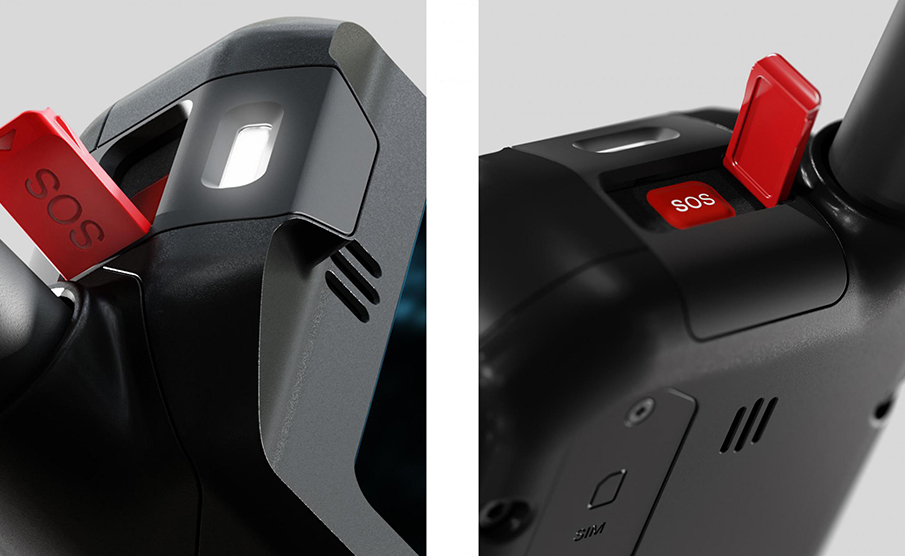
The SOS button is covered by a hinged door feature to avoid accidental activation. It can only be activated by keeping it pressed for 3 seconds. Once activated, the light on the top flashes in SOS Morse code. The light can also be used as a flashlight to help search and rescue teams find users during rescue missions, and it can also be turned off in cases where invisibility is required.
UK IDC's involvement in the design of the project:
• Detailed analysis of requirements
• Competition analysis
• Industrial Design
• CMF
• Prototyping
• Structural engineering
• Complete CAD design for production
• Safety and performance testing
• Tolerance stacking
• 2D engineering drawings
For further details, please see: https://www.idcdesigncn.com/industrial/satellite-phone-case/
To learn more about IDC's innovations in the UK, please see: https://www.idcdesigncn.com/medical/cases/
Welcome to contact the UK IDC team: https://www.idcdesigncn.com/contact/










Invincible
It's cool, huh
Not bad
very good
It's kind of like a big brother.